
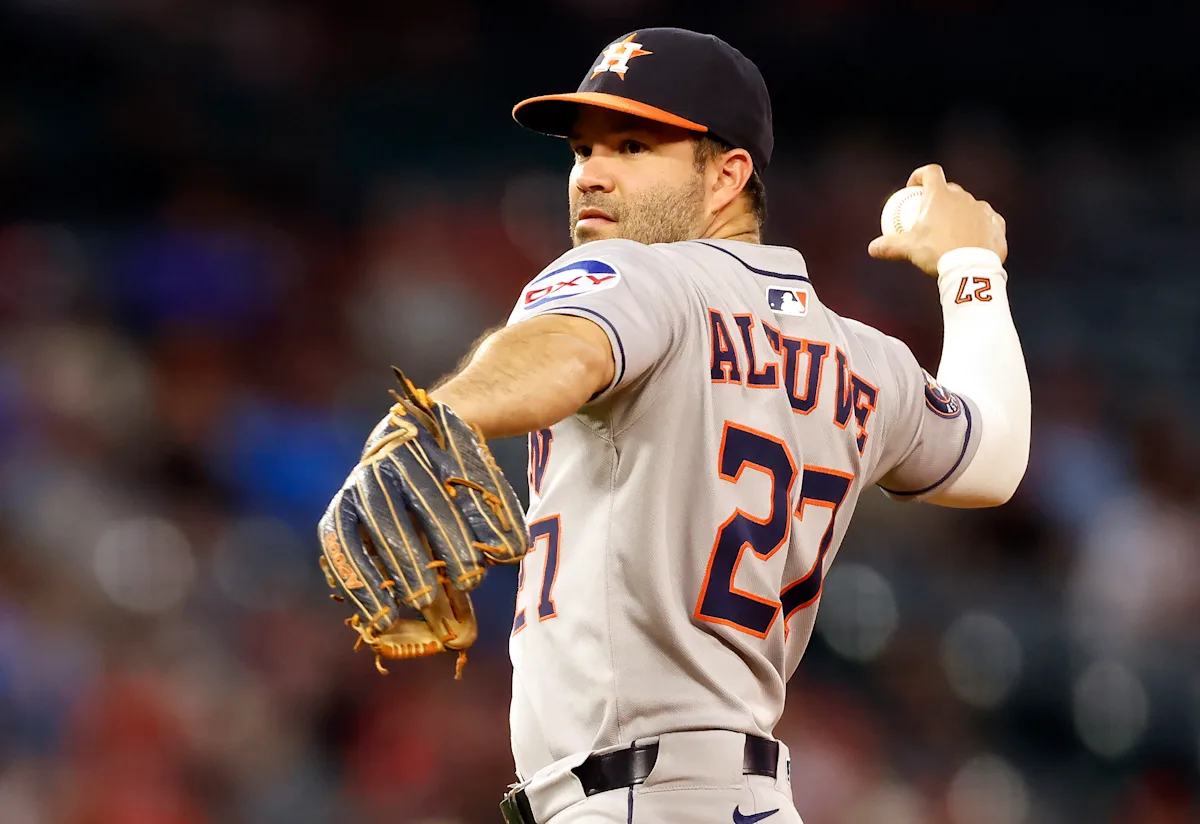
The End of an Era: Houston Astros’ Offseason Begins in September
For the first time since 2016, the Houston Astros’ offseason began in September, not October or November. The Astros’ streak of eight consecutive playoff appearances was broken, as the team was unable to overcome a series of injuries and found itself on the outside looking in, with the division crown going to the Seattle Mariners. It was a close call; the Astros and the Detroit Tigers both finished with 87 wins, but Detroit secured the final AL wild-card spot via a tiebreaker, winning the season series. The failure to reach the playoffs stings, especially for a franchise accustomed to making the annual pilgrimage to baseball’s fall tournament. This unfamiliar ending signals a critical juncture for the Astros as they look to reassert themselves as contenders in 2026. Over the past two seasons, they have fallen short of the high standards set by their seven consecutive trips to the ALCS from 2017 to 2023. No longer can Houston rest on its reputation as a default contender in the American League; there is significant work to be done to rebuild or restructure the roster to a more formidable state.
Replacing Framber Valdez: A Crucial Task
One of the most pressing questions facing the Astros this offseason is how to replace Framber Valdez, assuming he departs in free agency. After five years as a reliable anchor in Houston’s rotation, Valdez is widely expected to sign with another team, continuing the trend of key figures from this era of Astros baseball moving on to new chapters. The Astros have historically been hesitant to make high-profile free-agent signings, so retaining Valdez or pursuing another top-tier arm like Dylan Cease seems unlikely. The organization can take solace in Hunter Brown’s significant improvement in 2025, but Valdez’s departure leaves a significant void in the rotation.
Potential free-agent targets include Zac Gallen and Michael King, both of whom offer considerable upside without the hefty price tag. However, signing these players would mean forfeiting a draft pick, which may not be ideal for a team with a somewhat depleted farm system. A more practical approach might be to target mid-rotation prospects like Lucas Giolito, Merrill Kelly, or Chris Bassitt, who have demonstrated reliability and potential. Additionally, a reunion with Justin Verlander, who showed solid performance for the Giants in the second half of 2026, could be a cost-effective and familiar option. Internally, the Astros have options like Cristian Javier, who showed promise after returning from elbow surgery, and rookie Spencer Arrighetti, who missed the 2025 season due to injury. Former top prospect Nate Pearson, who signed with Houston as a free agent, and late-career breakout Ronel Blanco, along with Hayden Wesneski, are also expected to return from injury. Replacing Valdez is no small task, and the Astros must approach this with careful consideration.
Carlos Correa’s Return and Its Impact
The Astros’ reacquisition of Carlos Correa in July was a surprising and significant move, bringing back a fan favorite after he spent time with the Minnesota Twins. Correa’s return to the lineup, however, introduces new challenges, particularly regarding the infield dynamics. Initially, Correa was slotted at third base to accommodate All-Star shortstop Jeremy Peña, but this arrangement was facilitated by Isaac Paredes’ hamstring injury. With Paredes expected to be healthy for the 2026 season, the Astros must decide how to integrate him into the lineup. Paredes, a talented hitter, could be slotted at first base, where Christian Walker is owed $40 million over the next two seasons, or as a designated hitter, a role the Astros would prefer to rotate between Yordan Alvarez and Jose Altuve.
Trading Walker to make room for Paredes is a viable option, but finding a suitable trade partner and avoiding the stigma of another ill-fated contract move would be challenging. Paredes himself offers significant trade value, but finding a deal that definitively improves the roster could be difficult. The Astros will need to make at least one move in this area to ensure the team functions optimally, balancing the need to keep Paredes in the lineup with the financial and defensive considerations of the current roster.
Jose Altuve’s New Role
Another key question surrounds the future of Jose Altuve, a longtime second baseman whose defensive performance has declined in recent years. The Astros attempted to move Altuve to left field last season, but this experiment was short-lived due to injuries elsewhere on the team. Manager Joe Espada has been clear about the team’s preference to limit Altuve’s defensive responsibilities, given the slugger’s importance to the lineup and his health. The preferred arrangement now seems to be alternating Altuve and Alvarez between DH and left field, which could help both players stay healthy and contribute significantly to the team’s run production.
However, this arrangement leaves the second base position vacant, raising questions about who will fill this role. After Altuve, the Astros have seen a rotation of players at second base, none of whom is still on the roster. Nick Allen, a trade acquisition from Atlanta, is a solid defensive option but lacks the offensive output to warrant regular playing time. Brice Matthews, a promising young player who made his big-league debut in 2025, is another option, but he carries significant hit-tool risk. The Astros may need to look outside the organization for a more stable and productive second baseman. Brendan Donovan of the St. Louis Cardinals is an ideal trade target, offering defensive versatility and a solid bat. Other options include Jeff McNeil and Brandon Lowe, who could provide a strong offensive presence, and Jorge Polanco, although his defensive limitations might be a concern.
Navigating the Outfield
The Astros’ outfield situation is equally complex, with several potential scenarios depending on the front office’s decisions. Jake Meyers, a fantastic defender who showed offensive improvement in 2025, is reportedly in trade talks as the Astros seek rotation reinforcements. If Meyers stays, his defensive skills make him a reasonable everyday option, and he could platoon with lefty-hitting prospect Zach Cole, who showed promise but struggled with strikeouts in his September debut. If Meyers is traded, it would indicate confidence in Cole’s ability to step up, despite his high strikeout rate.
Right field is another area of uncertainty. Cam Smith, acquired from the Cubs in the Kyle Tucker trade, had a strong start but fell off in the second half, possibly due to physical fatigue. Jesus Sanchez, acquired from the Marlins, struggled after the trade but could provide a left-handed option at the bottom of the lineup. Other internal candidates like Taylor Trammell and Zach Dezenzo could also factor into the mix. Given the uncertainties, the Astros might consider adding an outfielder through free agency. Options like Harrison Bader, Mike Yastrzemski, Cedric Mullins, and Max Kepler offer immediate impact and could provide a more reliable presence than the in-house candidates.
A Path to Rebuilding
The Astros stand at a crossroads as they look to reassert themselves as contenders in 2026. Replacing Framber Valdez, integrating Carlos Correa, addressing the second base position, and stabilizing the outfield are all critical tasks that require careful planning and execution. While the organization has a track record of innovative run-prevention strategies, the challenges ahead are significant. The Astros must balance the need to maintain their competitive edge with financial constraints and the development of young talent. With the winter meetings approaching, the front office will need to make decisive moves to rebuild and restructure the roster, ensuring that the Astros can return to the postseason and continue their legacy of success.