
A Lesson from the Past
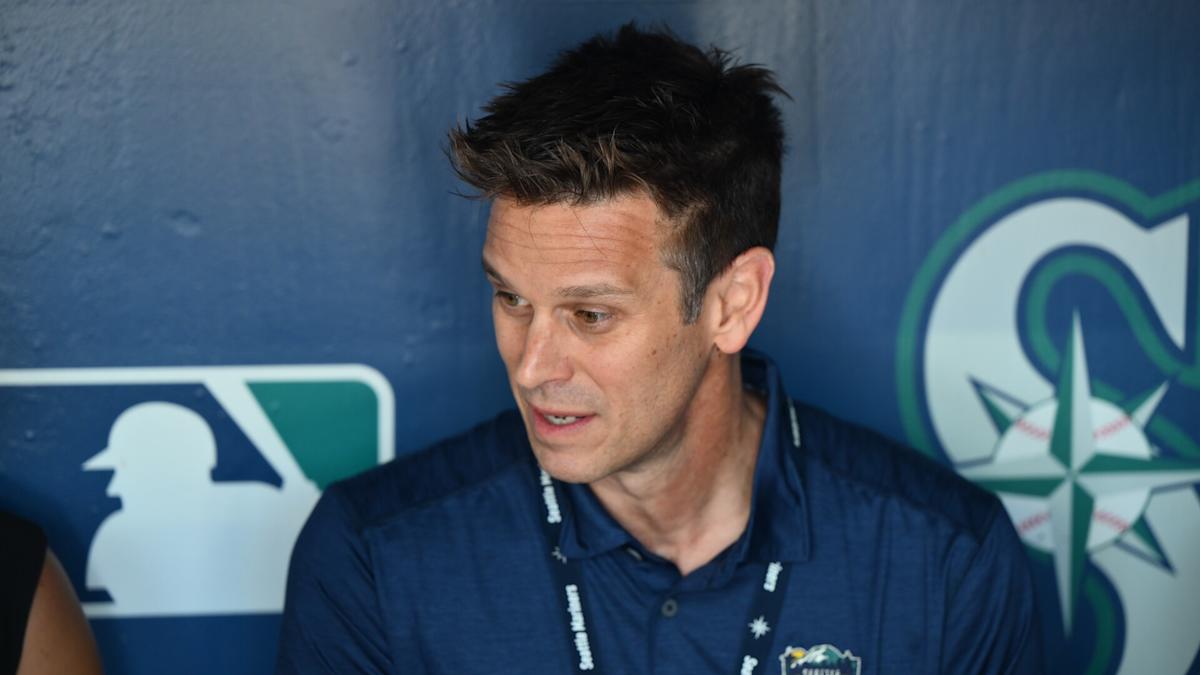
PEORIA, Ariz. — Shortly after his playing career ended, Jerry Dipoto, now the president of baseball operations for the Seattle Mariners, attended a game at Wrigley Field with former big league manager Jim Fregosi. After watching a particularly nasty strikeout by Eric Gagne, Dipoto couldn’t help but laugh. Fregosi, known for his no-nonsense approach, promptly slapped Dipoto on the back of his head and reminded him, “Don’t ever forget how hard that it is to play.” This lesson has stayed with Dipoto throughout his journey from player to executive, emphasizing the unique perspective and empathy that former players bring to the table.
A Rare Breed in the Front Office
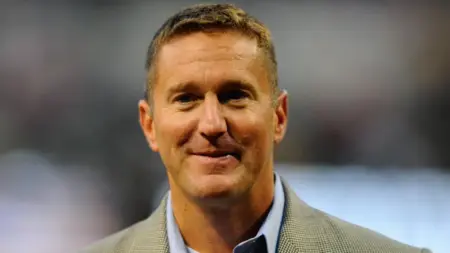
Dipoto, 56, is one of only five former major leaguers currently serving as the top baseball executive for a big league franchise. His promotion to president of baseball operations for the Seattle Mariners on September 1, 2021, marked a significant milestone in his career. Similarly, Chris Young, 45, was elevated to president of baseball operations for the Texas Rangers on September 13, 2021. More recently, Craig Breslow, 44, was hired as the chief baseball officer for the Boston Red Sox on October 25, 2023, and Chris Getz, 41, was promoted to GM of the Chicago White Sox on August 31, 2023. Lastly, Buster Posey, 37, one of the most decorated catchers in recent history, joined the ranks when he was hired as president of baseball operations for the San Francisco Giants in September. These individuals are part of an exclusive club, bridging the gap between the diamond and the boardroom.
The Value of a Player’s Perspective
While many successful executives in baseball have not played the game at the highest level, Breslow argues that a playing background provides a unique level of credibility and empathy. Breslow, who holds a degree from Yale, and Young, a Princeton graduate, didn’t just excel on the field; they also possess the educational background to understand the business side of baseball. “Where we were a decade ago to where we are now, there’s just so much opportunity to make better decisions nowadays based on the information that we have,” Getz said. “But being well-versed in it now, you know having a former playing background is only going to position you, your résumé is just stronger.” Their firsthand experience with the game and the data-driven decision-making processes in the front office gives them a nuanced understanding of what players and coaches are going through.
Building a Strong Front Office Team
Despite the advantages of a playing background, former players like Dipoto recognize the importance of building a front office that complements their skills and fills in any gaps. “I learned to adapt along the way to things I didn’t know and to trust people who are smarter than I am to fill in those gaps,” Dipoto said. This adaptability and willingness to collaborate are crucial in the high-stakes world of baseball operations. It’s not just about making the right decisions; it’s about understanding when personal biases, such as a preference for a good teammate, might cloud judgment. Balancing these factors is a constant challenge, but it’s one that these executives are uniquely equipped to handle.
Notable Achievements
Under Breslow’s leadership, the Boston Red Sox orchestrated a complex free agency contract to sign Alex Bregman, who was also being pursued by the Cubs and Tigers. Bregman ultimately agreed to a three-year, $120 million deal with the Red Sox, a testament to Breslow’s strategic acumen and player relations. Meanwhile, the San Francisco Giants, who had been struggling to attract major free agents, secured the services of shortstop Willy Adames with a seven-year, $182 million contract in December. Adames credited Posey for playing a significant role in his decision, saying, “My meeting with the team, it was me and him, basically. No agent. Nobody. So we had a really, really good conversation, and I bought into his plan for this organization, for what he wants to build here in the near future.” These achievements highlight the impact that a player’s perspective can have in the front office, from building trust to making strategic decisions.
The Future of Player Executives
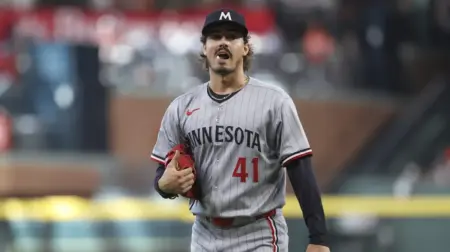
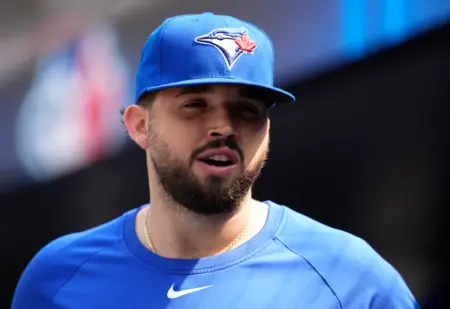
The trajectory of these former players into executive roles is not unique. Several more individuals are poised to join this club one day. Brandon Gomes, a former pitcher, helped lead the Los Angeles Dodgers to a World Series victory last year as the team’s GM under Andrew Friedman. Ryan Garko was promoted to assistant GM with the Detroit Tigers in May, and Cole Figueroa serves as an assistant GM for the Texas Rangers. Kevin Reese and Tim Naehring work for longtime New York Yankees GM Brian Cashman, and Josh Barfield is part of Getz’s front office with the White Sox. Breslow, when discussing his conversations with players interested in transitioning to baseball operations, noted, “It becomes pretty clear, generally who has the curiosity, who asks a lot of questions. Who wants to learn why we make decisions not just what decisions are being made. Those are the people (that could make the transition).” The future looks bright for former players who are eager to learn and adapt to the business side of baseball.
A New Era in Baseball Operations
The rise of former players in top executive roles represents a significant shift in the way baseball teams are managed. These executives bring a blend of on-field expertise and business acumen that is invaluable in today’s data-driven environment. Their ability to connect with players on a personal level, understand the nuances of the game, and make informed decisions sets a new standard for leadership in baseball. As they continue to navigate the complexities of their roles, the lessons they learned as players serve as a foundation for their success, ensuring that the decisions they make are grounded in a deep respect for the game and its challenges.