
ESPN and MLB: A Long but Tentative Partnership
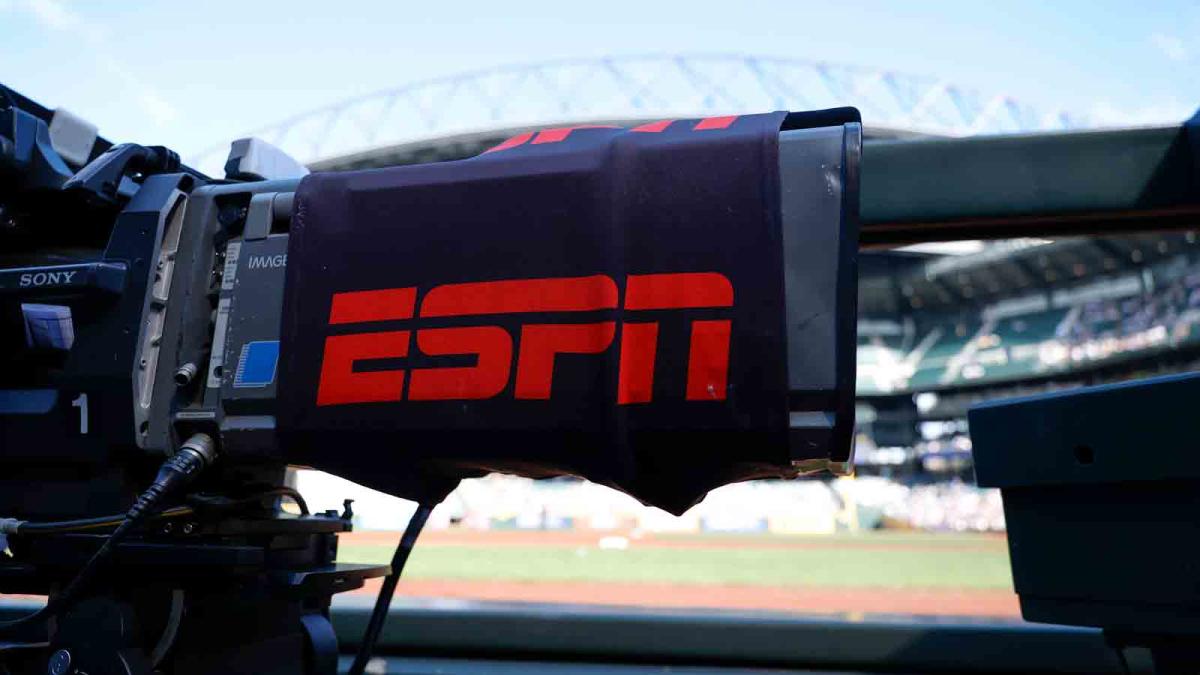
ESPN’s coverage of Major League Baseball (MLB) games will officially come to an end at the conclusion of the 2025 season. ESPN Chairman Jimmy Pitaro informed MLB Commissioner Rob Manfred of this decision on Thursday morning, marking a significant shift in the relationship between the two long-standing partners. ESPN and MLB both issued statements later that night, confirming the end of their current rights deal. This termination has been a topic of speculation and speculation, with The Athletic first reporting the split. The deal, which was signed in 2021, was a seven-year agreement averaging $550 million per season. However, ESPN has opted out of the final three years of the contract, a move that reflects broader changes in the media landscape and the network’s strategic priorities.
The Evolution of ESPN’s MLB Coverage
ESPN has been a staple of baseball coverage since 1990, but in recent years, the network has scaled back its investment in the sport. The current contract, which sees ESPN broadcasting just 30 regular-season games, mostly on Sunday nights, and the Wild Card postseason series, is a stark contrast to the previous eight-year deal that ran from 2014 to 2021. Under the old agreement, ESPN broadcast up to 90 regular-season games and aired the daily "Baseball Tonight" highlights and news show, which it discontinued in 2017. The reduction in coverage and investment has been a point of contention between the two parties, with MLB expressing dissatisfaction with ESPN’s declining commitment to the sport.
Financial and Strategic Considerations
In his memo to owners, Manfred highlighted several financial and strategic factors that influenced the decision. ESPN’s distribution has shrunk significantly over the years, with the network available in 53.6 million homes as of December 2024, down from a peak of over 100 million in 2011 and 69 million when the current deal was struck in 2021. Despite this, ESPN remains a larger distribution platform compared to competitors like Apple and Roku. Apple pays $85 million per season for a Friday night package and Roku pays $10 million for Sunday afternoon games. While ESPN has expressed an interest in continuing its relationship with MLB, particularly in light of its upcoming direct-to-consumer (DTC) product, Manfred believes that accepting a smaller deal on a shrinking platform would not be beneficial for MLB.
The Future of MLB Rights
Manfred’s memo also outlined the league’s strategy for optimizing its rights in the next deal cycle. MLB receives an average of $729 million from Fox and $470 million from Turner Sports per year under deals that expire after the 2028 season. The league is exploring new broadcast and streaming platforms for its marquee regular-season games, Home Run Derby, and Wild Card playoff round. There is significant interest from both traditional media companies and streaming services in obtaining rights to MLB games, a testament to the sport’s enduring appeal and the league’s content-rich calendar. Manfred has emphasized the need for a more national approach to rights, aiming to increase the league’s reach beyond regional sports networks.
The Broader Media Landscape
ESPN’s decision to opt out of the MLB contract is part of a broader trend in the media industry. The network has had the rights to all four major U.S. professional sports leagues since 2021, when it regained the National Hockey League (NHL). ESPN will pay an average of $1.4 billion for its 11-year deal with the NBA, which begins next season, and an average of $2.7 billion per season for its NFL deal, which runs through 2032. The network’s financial commitments to these other leagues, coupled with the changing media consumption habits of viewers, have played a role in its strategic decisions. The rise of streaming services and the increasing popularity of direct-to-consumer platforms have disrupted traditional broadcasting models, forcing networks to reassess their investments and partnerships.
Looking Forward
As the 2025 season draws closer, both ESPN and MLB will need to navigate the changing media landscape with new strategies and partnerships. ESPN remains open to exploring new ways to serve MLB fans across its platforms, while MLB will focus on optimizing its rights to ensure the sport’s continued growth and visibility. The positive energy around baseball and the significant interest from various media outlets suggest that the future of MLB broadcasting is promising. As the league continues to adapt to the evolving media ecosystem, it aims to strike a balance between maintaining its historical relationships and embracing new opportunities to engage with fans.