
The Numbers Behind ESPN’s Decision to End its MLB Partnership
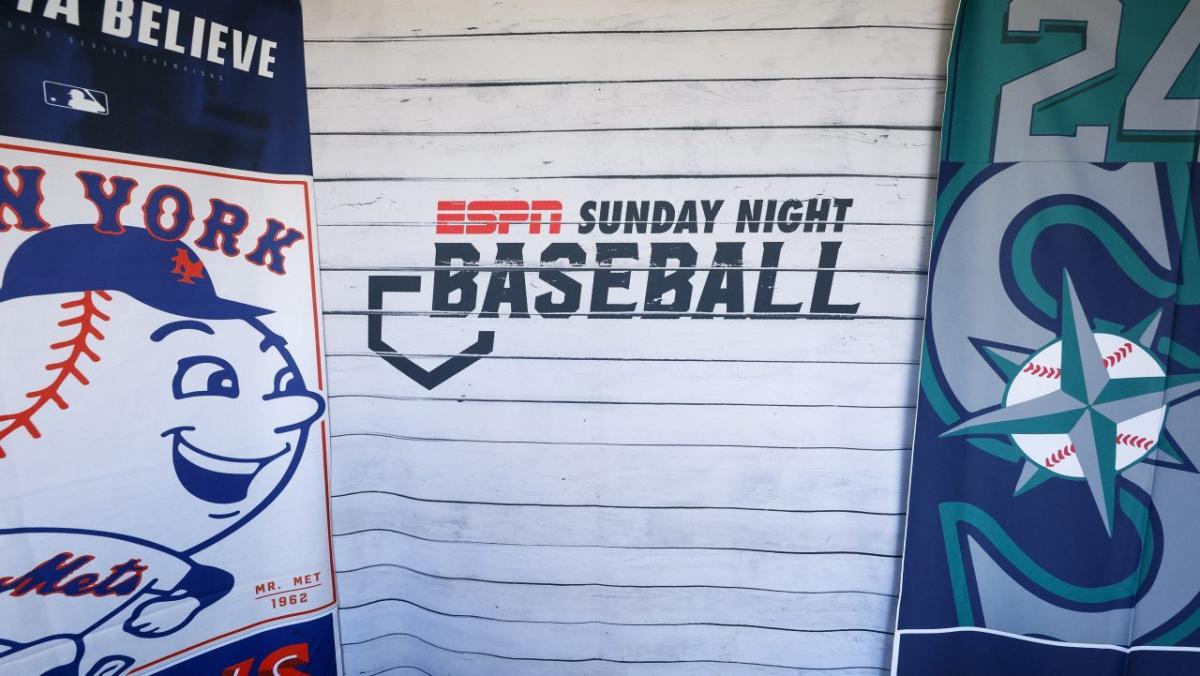
The calculus behind ESPN’s decision to walk away from its longstanding partnership with Major League Baseball (MLB) is more complex than a simple cost-benefit analysis. For ESPN chairman Jimmy Pitaro, a lifelong baseball fan, the numbers just didn’t add up. The $550 million annual rights fee for MLB games was not yielding a comparable return on investment. ESPN’s move to opt out of the two final seasons of the contract can be seen as a prudent fiscal decision rather than a drastic austerity measure. The ad sales receipts tell the story: MLB games in 2024 accounted for only 2.2% of the total national linear spend on ESPN, translating to $58.5 million over the season. While significant, this sum is still eminently replaceable. The MLB package was ESPN’s 10th-biggest driver of ad sales revenue, falling behind other sports like the NHL and internal shows such as Get Up and First Take.
The Ad Revenue Landscape and ESPN’s Portfolio
The fact that advertising in MLB games only reclaimed around 10.6% of ESPN’s annual rights fee is less an indictment of baseball’s older demographics and the state of the impressions market than a reflection of basic cable economics. Of the $17.6 billion in revenue generated by the sports unit in 2024, affiliate fees contributed $10.4 billion, or 59.1% of the total, while advertising brought in $4.39 billion, or 24.9%. Distribution remains the primary driver of revenue at ESPN, despite the ongoing erosion of the traditional pay-TV bundle. ESPN has a robust portfolio of sports holdings that can help fill the gap left by Sunday Night Baseball, including the Stanley Cup Final playoffs in the spring, the College World Series in June, and the WNBA in mid-to-late summer. These events offer a diverse and engaging lineup that can attract a broad audience and continue to drive ad revenue.
MLB Commissioner Rob Manfred’s Missteps
MLB Commissioner Rob Manfred’s assessment of ESPN’s place in the hierarchy doesn’t align with reality. In a letter to MLB owners, Manfred stated that ESPN was available in 53.6 million homes as of December 2024. According to Nielsen, the actual number is closer to 64.2 million households for both ESPN and ESPN2. This discrepancy in the subscriber count highlights a significant oversight in Manfred’s communication. Manfred’s letter also included a remark about the future of pay-TV, stating that he does not believe it is the best platform for MLB content. This is surprising given that 80% of MLB’s national TV games are televised by three cable networks: ESPN, FS1, and TBS. By criticizing ESPN, Manfred inadvertently disrespected two of MLB’s remaining partners, who still have three years left on their respective contracts.
The Future of MLB’s National TV Rights
Manfred’s letter also mentioned that MLB has been in conversations with several interested parties over the past few months and expects to have at least two potential options for consideration in the coming weeks. However, the landscape for national TV rights is challenging. Big-reach broadcast TV is a dry well, with Fox already committed to a $730 million per year deal, CBS unlikely to make major investments due to the ongoing Paramount sale, and NBC’s last foray into baseball ending in 2023 when the Peacock deal expired. This leaves non-Big Four players like the CW, Ion, or a streaming platform as potential replacements. Amazon Prime Video could be a strong candidate, but the relatively low amounts MLB has paid for current streaming deals ($90 million for Apple TV’s Friday night exclusives and $10 million for Roku’s Sunday morning games) suggest that securing a comparable deal to ESPN’s will be a significant challenge.
The Local Media Challenge
While the loss of a national partnership spanning four decades is significant, baseball’s greatest challenge remains at the Regional Sports Network (RSN) level, where approximately 80% of all in-game impressions are served. Unfortunately, local media partners are no longer generating the tens of millions of dollars they once did, and many smaller-market clubs have been adversely affected. Relief for these teams seems distant, adding another layer of complexity to MLB’s financial landscape. Once hailed as the national pastime, baseball is now very much a local phenomenon, as evidenced by last year’s attendance figures, which reached their highest levels since 2017. In this context, the timing of ESPN’s defection does little to help MLB’s broader financial and audience challenges.
Conclusion: A New Era for Baseball and ESPN
The end of ESPN’s partnership with MLB marks the conclusion of a significant chapter in the history of sports broadcasting. While the financial and audience dynamics have shifted, ESPN’s decision reflects a broader trend in the media landscape. The future of baseball on national TV remains uncertain, but the league’s focus on local markets and potential new partnerships may open up new opportunities. For ESPN, the shift allows them to focus on a more diversified portfolio of sports and programming that aligns with their financial goals and audience preferences. As the sports media landscape continues to evolve, both ESPN and MLB will need to adapt to new challenges and opportunities to remain relevant and successful.