
Stepping into the Box
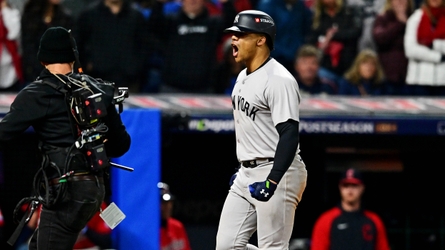
On October 19, 2024, in the heart of Cleveland, Juan Soto stood at the plate in a crucial moment that would define not just a game but a career. The New York Yankees were attempting to secure their first American League pennant in 15 years, and the game was tied 2-2 in the 10th inning of a pivotal Game 5 of the American League Championship Series. Facing off against Hunter Gaddis, a rising star known for his devastating slider, Soto knew the stakes were high. With runners on first and second and two outs, the pressure was immense, but Soto’s preparation and understanding of the situation were meticulous. "It’s two outs and [Aaron] Judge behind me," Soto explained, "So I know he’s going to try to attack me and strike me out — to do his best to get me out of the strike zone, get me to chase. Definitely at the beginning… he’s gonna try to attack me. So I was ready for everything."
First Pitch: The Slider
Gaddis began the at-bat as Soto had anticipated, throwing a slider. However, the pitch missed inside at 89 miles per hour, and Soto remained unfazed. "Slider in, first pitch," he recalled. "He yanked it. I knew that was his best pitch." Soto’s sharp eye for pitches is legendary, often matching or surpassing the accuracy of umpires. Despite the temptation, he stayed disciplined, understanding that Gaddis would likely try to force him to chase bad pitches. Soto took a moment to glance briefly at Gaddis, then resettled his feet in the dirt, mentally preparing for the next challenge.
Second Pitch: The Perfect Strike
The second pitch from Gaddis was another slider, but this time it grazed the bottom of the strike zone, just enough to be called a strike. Soto, initially thinking it was a ball, quickly realized his mistake. "Then he threw me another one for a strike," Soto said. "In the beginning, yes, I thought it broke a little more than it did. But actually yes, it hit the bottom. That’s when you say, ‘You made a perfect pitch.’" The umpire’s call confirmed Gaddis’s precision, and Soto nodded his head, a silent acknowledgment of the pitch’s quality. This sequence of events only heightened the tension, as Soto knew he was facing a pitcher at the top of his game.
Third Pitch: The Mistake
The third pitch was a critical turning point. Gaddis offered a high, hanging slider that he had previously thrown well, but Soto, despite recognizing the opportunity, fouled it back. "That was his one mistake," Soto explained. "He left it down the middle of the plate, and I fouled it off. Then he never made another mistake. I fouled it straight back and was like, ‘F–k, that was the one. That was the mistake and I missed it.’" This moment was a testament to Soto’s self-awareness and his ability to adapt quickly. He realized that Gaddis had shown a chink in his armor but that he needed to capitalize more effectively on the next opportunity.
Interlude: Body Language
Soto’s mental game is as impressive as his physical prowess. While many batters focus on the pitcher’s hands and grip for clues, Soto looks for signs in the pitcher’s face. "He was pretty good that he didn’t show too much emotion," Soto noted about Gaddis. "I was looking for the emotions, but he never showed it to me. But definitely I knew in my mind that he threw the best pitch he had and I fouled it off. I was like, ‘He’s done.’" The series of foul balls had subtly shifted the dynamic, and Soto was keenly aware of how this psychological edge could influence the remainder of the at-bat.
Sixth and Seventh Pitches: The Climax
Gaddis, sensing that Soto was reading him, tried to mix things up with two more changeups. Soto fouled both off, his confidence growing with each missed opportunity. "Then he tried with the changeup again," Soto recounted. "He missed. I fouled it off, too. That told me that he doesn’t have the command. I was like, he threw that one, but he didn’t throw a strike. That was two misses. Nobody wants to throw a changeup up." With the pitcher’s best pitches failing to retire him, Soto was ready for the final pitch. The seventh pitch was a 95-mile-per-hour fastball, aimed up and away. "Yeah," Soto said. "I did know a fastball was coming. I was telling myself, ‘I’m all over him. There’s nothing else he can do.’ He threw a fastball, and I just didn’t miss it. He threw it right where he wanted it. I was just looking for it." The ball soared over the outfield fence, sealing the Yankees’ fate and sending the Mets to the 2024 World Series.
The Aftermath and a New Era
Mets owner Steve Cohen watched the at-bat from the comfort of his home, and what he saw was nothing short of a masterpiece. As a sports fan, Cohen recognized the "I know I’m gonna beat you" countenance in Soto, reminiscent of greats like Michael Jordan. As a world-class art collector, he understood the rarity of witnessing such skill and precision. "When you watch that at-bat, you realize how special he is," Cohen said. The at-bat was a defining moment, and Cohen, along with the Mets, knew they had to secure Soto for the long term. By the end of the year, they had signed him to a historic 15-year, $765 million contract, the largest in American professional sports history. This deal was not just a financial commitment but a promise of wonders to come, as the Mets and their fans eagerly anticipate the continued brilliance of one of the game’s true masters.