
The Mets and the Pitching Dilemma
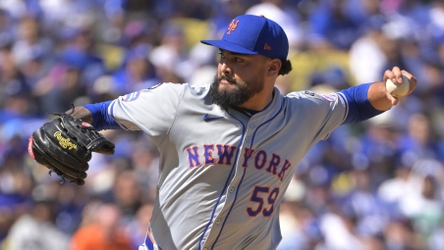
The New York Mets, a team that exuded confidence and promise heading into the 2025 season, have been dealt a significant blow even before the first pitch of spring training. Even before the recent injuries, there was a nagging feeling that the Mets were short on the quality starting pitching required to compete for a championship. General Manager David Stearns, known for his shrewd and innovative moves, deserves the benefit of the doubt based on his impressive track record. However, the lat strain of Frankie Montas and the oblique injury of Sean Manaea serve as ominous reminders that relying on a repeat of last year’s pitching success is a risky strategy. Montas and Manaea will both begin the season on the injured list, leaving the Mets to lean on internal options for their rotation. This situation underscores a crucial question: can the Mets’ vaunted pitching lab, designed to optimize performance and health, live up to the expectations placed upon it?
Looking to Internal Talent
Despite the setbacks, the Mets’ front office seems confident in their depth and internal options. The team is counting on pitchers like Paul Blackburn, Tylor Megill, and Griffin Canning, in addition to established arms Kodai Senga, David Peterson, and Clay Holmes. Senga, a veteran with a strong background in Japan, is expected to thrive with the extra rest he’s accustomed to. Peterson, who showed significant improvement in 2024, is another bright spot. However, the biggest question mark hangs over Clay Holmes, who has been a dominant reliever for years. Holmes’s three impressive innings during a spring training game on Saturday, showcasing an effective changeup, provide a glimmer of hope. Yet, the transition from reliever to starter, especially for a pitcher who has not thrown more than 121 innings in a season, is a daunting task. The Mets are already tapping into their depth, and the absence of these key starters will test the organization’s ability to manage and develop their pitching talent.
The Necessity of a Six-Man Rotation
The Mets’ strategy of employing a six-man rotation is partly driven by the need to accommodate Senga’s preference for extra rest and the fact that no other projected starter threw more than 121 innings in 2024. This approach is designed to manage the workload and maintain the health of their pitchers, but it also means that the team is relying heavily on less experienced starters to fill in the gaps. The transition to a six-man rotation is not without its challenges, particularly when key players like Manaea are sidelined. While the team has the roster flexibility to make this work, it will be a test of their depth and the effectiveness of their player development system.
Exploring External Options
The early injuries have highlighted the need for the Mets to consider external options to bolster their starting rotation. Personally, I would urge the team to think big and explore trades for high-impact pitchers like Michael King or Dylan Cease from the San Diego Padres. The Mets are built in a way that will require them to trade prospects soon, so why not now? If the cost is too prohibitive, a veteran like Jose Quintana, who remains unsigned, could provide a valuable security blanket. Quintana, at 36, may not be a difference-maker, but he showed impressive form in September last year and is known for his professionalism. The fact that the Mets are over the so-called Cohen tax threshold, named after owner Steve Cohen, means any deal would cost them about 110 percent of the price. However, Cohen’s recent comments about the team’s flexibility to add players during the season, particularly at the trade deadline, suggest that the team is open to making moves if necessary.
Rising Talent and Future Prospects
One potential bright spot for the Mets is the emergence of 24-year-old Brandon Sproat. The hard-throwing right-hander had a meteoric rise through the minors last year, excelling at High-A and Double-A before facing some struggles at Triple-A. The coming season will be crucial for Sproat as he needs to make the necessary adjustments to succeed at the highest level. Additionally, the Mets have a wealth of young talent in their farm system, including Jett Williams and Drew Gilbert, who missed significant time last year due to injuries. Several scouts have speculated that by the trade deadline, the Mets will have a better read on these prospects and may be more willing to part with them if they need to strengthen their pitching staff. The development of these young players will be a key factor in the Mets’ ability to navigate the challenges of the 2025 season.
Maintaining Championship Hopes
Despite the pitching issues, the Mets remain a formidable team with a championship-caliber lineup. The signing of Juan Soto and the return of Pete Alonso have injected a new level of excitement and optimism into the 2025 season. The front office’s belief in their pitching depth and the success of last year’s rotation offer a sense of comfort. However, the early injuries have added a layer of scrutiny to this trust. The Mets will need to balance their internal development efforts with the possibility of external acquisitions to ensure they have the pitching depth necessary to compete for a championship. While the road ahead may be rocky, the team’s talent and Stearns’s proven track record provide a foundation for hope and optimism.