
A New Chapter for MLB’s National Television Deal
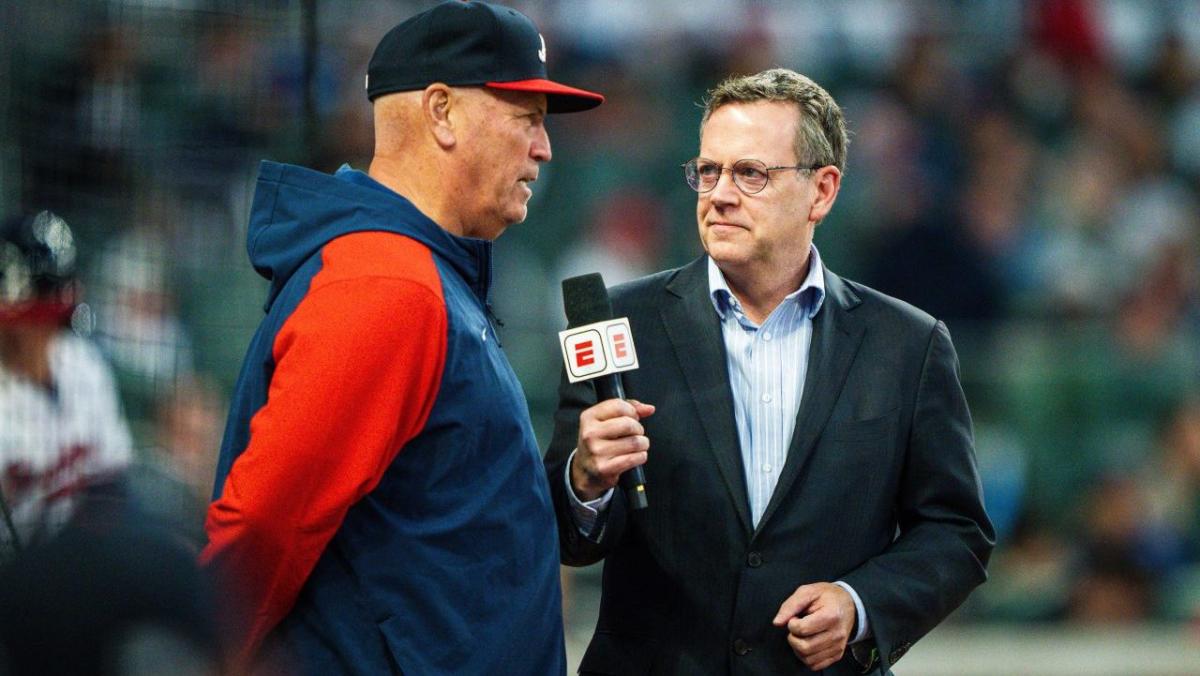
On Thursday, Major League Baseball (MLB) and ESPN made a significant announcement that will reshape the landscape of baseball broadcasting. The two entities have decided to terminate their national television deal at the end of this season. This move has put baseball rights up for grabs for the next three years, opening the door to a wide array of potential bidders. In a letter to owners, MLB Commissioner Rob Manfred highlighted the rationale behind this decision, emphasizing the need to explore new broadcast and streaming platforms. This strategic move reflects the evolving media landscape and the desire to maximize viewership and engagement in the digital age.
The Current Landscape of Baseball Broadcasting
ESPN has been a stalwart partner of MLB for decades, providing comprehensive coverage that has become a staple for baseball fans across the United States. The network’s ability to deliver high-quality broadcasts, in-depth analysis, and compelling storytelling has played a crucial role in sustaining the sport’s popularity. However, the media industry is rapidly changing, with streaming platforms and digital media gaining significant traction. Traditional broadcast networks are no longer the sole gatekeepers of content, and MLB is keen to capitalize on these new opportunities. By putting its rights on the market, MLB aims to find partners who can reach a broader and more diverse audience, whether through traditional channels or emerging platforms.
The Vision for the Future
In his letter to owners, Rob Manfred specifically cited the potential of "new broadcast and/or streaming platform(s)" as ideal partners for MLB. This forward-looking approach acknowledges the shift in consumer behavior and the growing popularity of streaming services. Platforms like Amazon Prime Video, Apple TV+, and Disney+ have shown a strong interest in sports content, and MLB is well-positioned to benefit from this trend. The league is looking for partners that can offer innovative viewing experiences, interactive content, and robust data analytics to enhance the fan experience. By embracing these new technologies, MLB aims to create a more engaging and personalized viewing experience for its fans, ensuring the sport remains relevant and exciting in the years to come.
The Impact on Fans and the Industry
The termination of the MLB-ESPN deal and the subsequent rights auction are likely to have a significant impact on both fans and the broader sports media industry. For fans, this change could mean a more diverse range of viewing options, with the potential for more games to be available on multiple platforms. This could also lead to more innovative and interactive content, such as virtual reality experiences, augmented reality features, and personalized highlights. For the industry, this move could set a precedent for other sports leagues to follow, as they too look to adapt to the changing media landscape. The competition for MLB rights is expected to be fierce, with both established networks and emerging platforms vying for a piece of the action.
The Challenges Ahead
While the prospect of new and innovative partnerships is exciting, it also comes with its share of challenges. Finding the right mix of traditional and digital partners that can effectively reach and engage a broad audience will be crucial. MLB will need to carefully navigate the interests of various stakeholders, including current broadcast partners, potential new partners, and, most importantly, the fans. Additionally, the league will need to ensure that any new deal aligns with its long-term strategic goals, such as increasing international reach and growing the sport’s popularity among younger demographics. Balancing these various considerations will be key to the success of this new chapter in MLB’s broadcasting history.
Looking Forward
The decision to end the MLB-ESPN deal and put baseball rights on the market represents a significant step into the uncharted territory of the digital media age. MLB is poised to embrace new technologies and partnerships that can enhance the fan experience and drive the sport’s growth. As the rights auction unfolds, the eyes of the sports media industry will be on MLB, watching to see how it navigates this transition and sets a new standard for sports broadcasting. The coming years promise to be an exciting and transformative period for Major League Baseball, and fans around the world will be eager to see what the future holds.