
Evaluating the Pitching Injury Crisis
At the conclusion of a celebratory offseason, the Los Angeles Dodgers faced a stark reality: their pitching staff has been plagued by injuries for years. This winter, team officials held extensive meetings involving executives, pitching coaches, and medical personnel to diagnose the root causes and brainstorm solutions. President of baseball operations Andrew Friedman acknowledged the complexity of the issue, noting that while the team identified certain changes to implement, there was no definitive "Ah-ha!" moment. The problem is deeply intertwined with broader issues in youth baseball, where the emphasis on velocity and spin has led to younger pitchers being more susceptible to injuries early in their professional careers. Despite the daunting task, the Dodgers remain committed to addressing this organizational flaw, with ongoing initiatives and a multi-faceted approach.
Probing the Problem
The Dodgers’ deep dive into their pitching injury crisis revealed that the issue extends beyond the club’s immediate control. Friedman pointed out that the way young pitchers are trained and the pressure they face to achieve high velocity and spin rates in the youth baseball industry significantly contribute to the problem. While Major League Baseball and the Dodgers can influence in-house practices, changing the broader ecosystem is a much larger challenge. The team is focusing on what they can control, from minor league development methods to rest and recovery routines, and even the evaluation criteria for potential draft picks. This ongoing examination is crucial, as the health of their pitching staff can make or break the team’s championship aspirations.
Investing Heavily in Depth
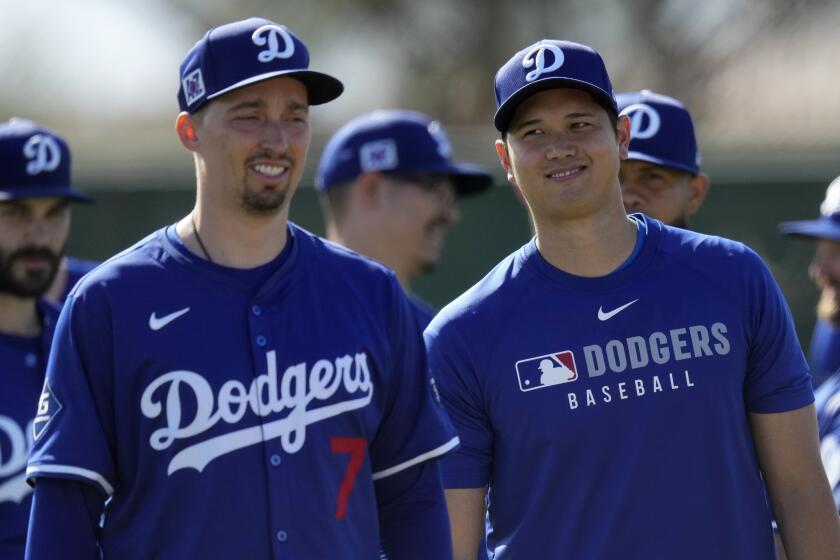
To mitigate the injury risks, the Dodgers have invested heavily in pitching depth this offseason. With nearly half a billion dollars of spending, the team added two-time Cy Young Award winner Blake Snell and the young, highly-touted Roki Sasaki to the starting rotation. The bullpen saw significant reinforcements with the re-signing of Blake Treinen and the additions of veteran relievers Tanner Scott and Kirby Yates. These acquisitions not only bolster the team’s depth but also bring a level of durability. Snell has consistently made at least 20 starts in every full season of his nine-year career, while Scott has logged 275 appearances over the last four seasons. The Dodgers are placing a premium on having multiple options ready to step in at any moment.
Lessons from the Past
The Dodgers have experienced the pitfalls of relying heavily on younger pitchers. Last season, the team thought the additions of Tyler Glasnow, Yoshinobu Yamamoto, and James Paxton would provide ample depth and production. However, both Glasnow and Yamamoto missed significant time due to injuries, and the team ended the regular season with six homegrown pitchers out because of major arm injuries. These setbacks forced the Dodgers to seek additional pitching in July, a scenario they aim to avoid in 2025. The team’s cautious management of each pitcher’s workload, including strategic use of off days and drop-in starters, has become a necessity. This season, the Dodgers are taking a more conservative approach, even if it means starting the season with some players on the injured list.
Strategic Management and Flexibility
Manager Dave Roberts emphasized the importance of the team’s deep pitching staff, which will offer more flexibility and protection. The Dodgers plan to use a six-man starting rotation once Shohei Ohtani is ready to pitch again, providing additional rest and recovery time for all starters. This strategy is designed to reduce the overall workload and minimize the risk of burnout. The team is also carefully managing the return of veteran relievers Evan Phillips and Michael Kopech, allowing them to fully heal from recent injuries even if it means starting the season on the injured list. The willingness to prioritize player health over immediate roster needs underscores the Dodgers’ commitment to a sustainable long-term approach.
Optimism and Preparedness
Despite the challenges, the Dodgers are entering the 2025 season with renewed optimism and a well-prepared pitching staff. Pitching coach Mark Prior highlighted the team’s good fortune in being part of an organization that is willing to push for a championship every year. The addition of premier talents like Snell, Scott, and the Japanese trio of Ohtani, Sasaki, and Yoshinobu Yamamoto raises the overall quality of the pitching staff and provides a strong foundation. While the team remains realistic about the unpredictable nature of a 162-game season, they believe that their depth and strategic management will give them the best chance to stay healthy and competitive. The Dodgers are committed to doing everything possible to protect their pitchers and achieve their ultimate goal of winning it all.