

The Yankees’ Unexpected Facial Hair Policy Reversal
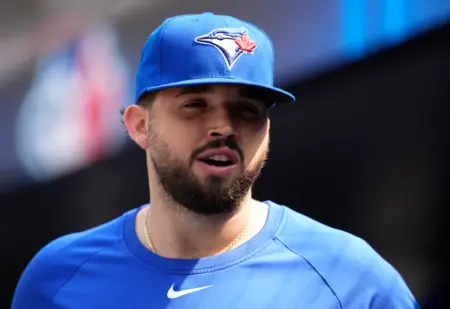
The New York Yankees have long been known for their strict standards and unwavering traditions. For nearly 50 years, one of these traditions was the team’s no-beard policy, a rule that was as much a part of the Yankees’ identity as their pinstripes. However, this longstanding policy has recently changed. This season, the Yankees will allow "well-groomed" beards, a decision that has caught many in the baseball world off guard. Owner Hal Steinbrenner announced the change, and while some players, like former Yankee Gleyber Torres, expressed surprise, manager Aaron Boone saw it as a timely and necessary move.
The Roots of the No-Beard Policy
The Yankees’ no-beard policy dates back to the 1970s when the late George Steinbrenner and former manager Billy Martin instituted the "Neatness Counts" policy. This policy forbade players from having beards, long hair, and sideburns, though mustaches were permitted. The rationale behind this strict rule was to instill a sense of order and discipline within the team. In a 1976 interview with the New York Times, Steinbrenner explained, "I have nothing against long hair per se. But I’m trying to instill a certain sense of order and discipline in the ball club because I think discipline is important in an athlete. They can joke about it as long as they do it. If they don’t do it, we’ll try to find a way to accommodate them somewhere else. I want to develop pride in the players as Yankees. If we can get them to feel that way and think that way, fine. If they can’t, we’ll get rid of them."
The Impact on Players
The no-beard policy was a double-edged sword. While it helped maintain a uniform and professional appearance, it also became a point of contention for some players. For instance, Don Mattingly, a Yankees icon, famously clashed with then-manager Stump Merrill over his hair length in 1991, saying, "I’m overwhelmed by the pettiness of it." Other players, like closer Brian Wilson, refused to join the Yankees in 2013 because he was unwilling to shave his long beard. Wilson instead signed with the Los Angeles Dodgers. Similarly, pitcher David Price, when he was nearing the end of his tenure with the Tampa Bay Rays, made it clear that he would not stay in New York if he had to conform to the team’s facial hair rules.
A Shift in Thinking
The decision to change the policy was not made lightly. Hal Steinbrenner, the current owner, recognized that the rule was becoming a hindrance to the team’s ability to attract top talent. "Winning was the most important thing to my father," Steinbrenner told reporters. "If somebody came and told him that this could affect us getting the players we want to get, I think he might be a little more apt to do the change that I did because it was about winning." The modern baseball landscape values individuality and personal expression, and the Yankees’ old-school approach was increasingly seen as outdated. By allowing well-groomed beards, the team is signaling a shift towards a more inclusive and modern approach to player management.
Players’ Adaptations
Many players have had to adapt to the Yankees’ strict grooming standards throughout the years. Johnny Damon, who played for the Yankees from 2006 to 2009, stated, "Without a doubt, George Steinbrenner has a policy and I’m going to stick to it. Our policy with the Yankees is to go out there and win, and we’re going to try and bring another championship to them." Gerrit Cole, who signed a nine-year, $324 million contract with the Yankees in 2019, had to shave after not doing so for a decade. He acknowledged, "I haven’t shaved in like 10 years, but you know what? So be it. That’s the way it is. If you’re a Yankee, you shave. That’s what’s up."
The Future of the Yankees
The decision to allow well-groomed beards is more than just a superficial change. It represents a broader shift in the team’s culture, one that values individuality and player comfort alongside the traditional emphasis on discipline and professionalism. This change could make the Yankees more appealing to a wider range of players, particularly those who value personal expression. As the team continues to evolve, the hope is that this new policy will not only make the Yankees more competitive but also more inclusive and welcoming. For many players, it’s a welcome step toward a more modern and player-friendly environment.