
A New Era in Spring Training: Dodgers vs. Cubs
In a historic moment that could reshape the future of baseball, the Los Angeles Dodgers and Chicago Cubs faced off in the first spring training game of 2025, held in the Cactus League. The Cubs emerged victorious with a decisive 12-4 win, but the real story of the game was the introduction of an automatic ball-strike challenge system, often referred to as a "robot ump." This groundbreaking technology marked a significant step towards modernizing the sport, and its debut was closely watched by players, officials, and fans alike.
The First Ball-Strike Challenge: A Resounding Success
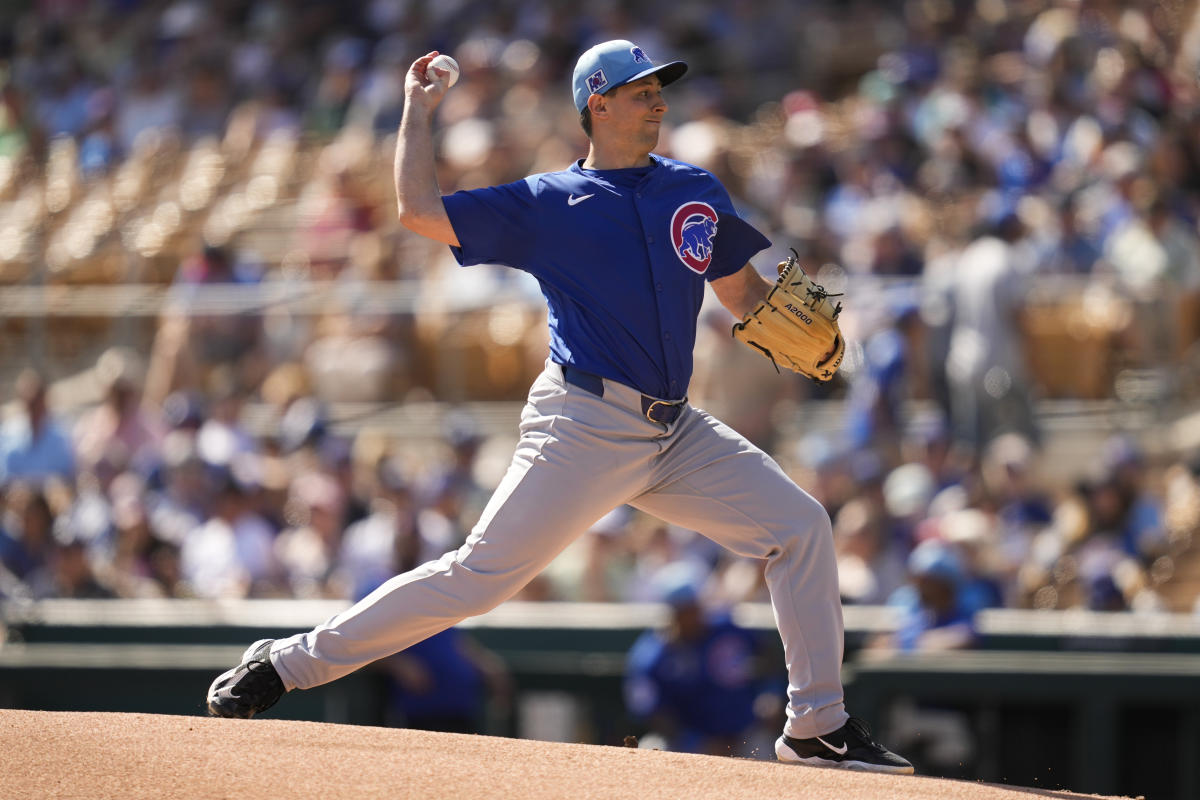
The first challenge of the game occurred just two batters into the bottom of the first inning. Starting pitcher Cody Poteet faced Dodgers hitter Max Muncy, and the tension was palpable. Poteet threw a pitch that the home plate umpire initially called a ball, but the Cubs quickly initiated a challenge. The process was swift and efficient, taking about 30 seconds, and the verdict was in: the pitch was ruled a strike, changing the count from 1-1 to 0-2 in Poteet’s favor. The crowd erupted in applause at the successful challenge, which was captured and shared widely on social media.
The Challenges and Technicalities
MLB has been cautious about implementing the robot ump system, but the spring training games serve as a crucial testing ground. Each team starts with two challenges per game and only loses one if the challenge is unsuccessful. The system is designed to be fair and quick, with the batter, pitcher, and catcher all having the authority to initiate a challenge immediately after the pitch. This immediate decision-making process is a stark contrast to the current challenge system, where teams often wait for input from the dugout, causing delays and frustration.
The Technology Behind the Challenge System
The ball-strike challenge system relies on advanced technology, specifically the Hawkeye technology that powers MLB’s Statcast. Hawkeye is a sophisticated tracking system that uses cameras and sensors to provide real-time data on the position and trajectory of the ball. This data is then analyzed by the system to determine whether a pitch is a ball or a strike. The accuracy and reliability of Hawkeye have been extensively tested in the minor leagues, where the system has been in use for several years. The success of these trials has given MLB the confidence to expand the technology to spring training and potentially beyond.
The Potential Impact on the Game
The introduction of the ball-strike challenge system has the potential to significantly impact the game of baseball. For pitchers, the system can provide immediate feedback on the accuracy of their pitches, potentially leading to better performance and more consistent strike calls. Batters, on the other hand, can benefit from more consistent strike zones, which can level the playing field and reduce the influence of human error. The system could also reduce the contentious moments that often arise from disputed calls, leading to smoother and more enjoyable games for fans.
Looking Ahead: The Future of MLB
While MLB has no immediate plans to implement the robot ump system in the regular season, the ongoing testing during spring training is a clear indication of the league’s commitment to innovation. With 13 stadiums incorporating the challenge system this spring, covering more than 60% of spring training games, the technology is being rigorously tested and refined. If the results continue to be positive, the system could be adopted for the 2026 season, marking a significant milestone in the evolution of baseball. As the sport continues to adapt to the digital age, the ball-strike challenge system represents a promising step towards a more accurate and fair game.