
A New Chapter for the Athletics in Las Vegas
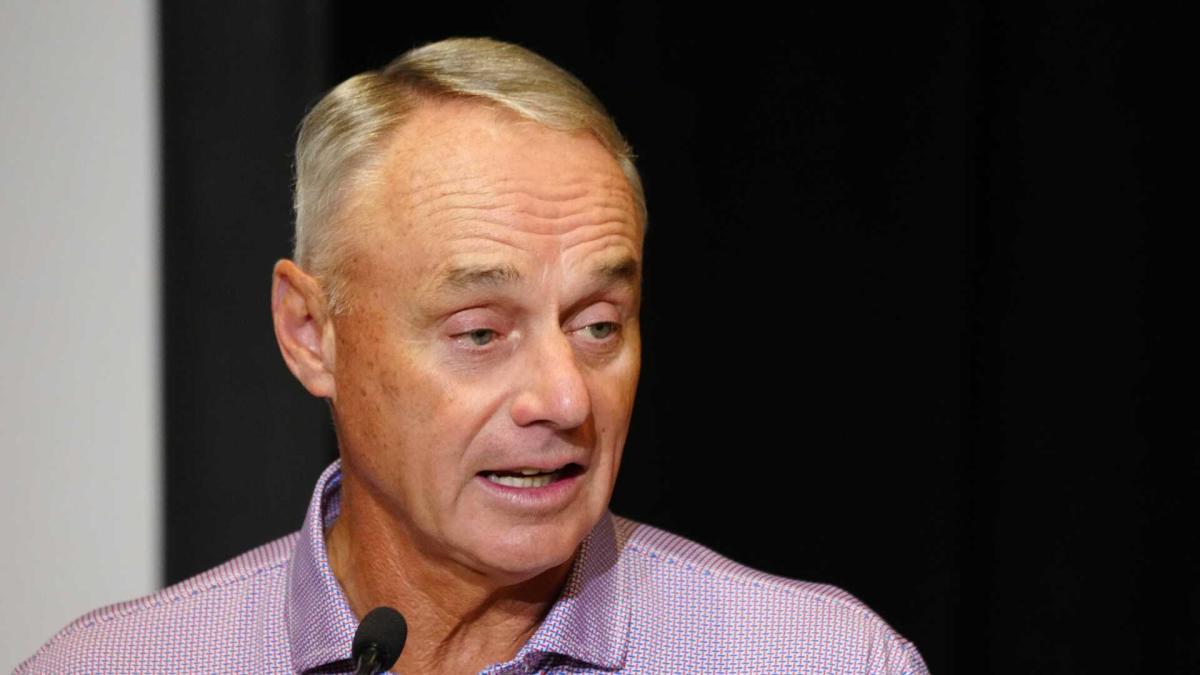
Baseball Commissioner Rob Manfred recently paid a visit to the 14,000-seat minor league stadium in West Sacramento, California, where the Oakland Athletics are temporarily based. Manfred described the venue as "charming" and praised the efforts of the Triple-A River Cats and Athletics owners, noting that they have provided players with an experience that is "as close to a major league experience as it can possibly be." Manfred’s visit was a positive one, and he expressed his satisfaction with the community’s enthusiastic response to the team’s presence. However, his focus remains on the A’s long-term plan to move to Las Vegas, where they are expected to open their new stadium in 2028.
A Move with a Decade of Preparation
The A’s have been based at the Oakland Coliseum since 1968, but they left their longtime home following last season, with plans to eventually relocate to Las Vegas. The move comes as part of a broader trend of major sports franchises expanding into the city, which has recently added NHL and NFL teams. The Las Vegas Stadium Authority approved lease, non-relocation, and development documents in December, clearing the last major hurdles for the A’s to construct their $1.75 billion stadium on the Strip. While details such as a development agreement with Clark County are still to be finalized, groundbreaking is expected to take place in the spring, with the stadium slated to open in 2028.
Financing the Future
Nevada and Clark County are contributing $380 million in public funds for the domed stadium, which is estimated to have a 33,000 capacity. Interim A’s team president Sandy Dean announced at the December meeting that owner John Fisher has increased his family’s financial commitment to $1.1 billion. Additionally, U.S. Bank and Goldman Sachs will provide a $300 million loan, and Fisher is still hoping to attract investors in Las Vegas and elsewhere to purchase equity in the team. The financing structure reflects a concerted effort to ensure the project’s financial stability and long-term success.
Weathering the Storm: The Tampa Bay Rays
While the A’s are preparing for their new home, the Tampa Bay Rays are also facing a unique challenge. Due to hurricane damage at Tropicana Field in St. Petersburg, Florida, the Rays will play their home games in the New York Yankees’ spring training and Class A ballpark, Steinbrenner Field in Tampa. Commissioner Manfred expressed gratitude to Yankees owner Hal Steinbrenner for the significant investment in improving Steinbrenner Field, which will now benefit the Rays. This temporary arrangement highlights the resilience and adaptability of the baseball industry in the face of unexpected challenges.
Rising Attendance and Fan Engagement
Manfred is optimistic about the future of baseball attendance, anticipating another increase in the 2025 season. "At the risk of jinxing myself, we do have great expectations for 2025," he said. The commissioner attributed the expected rise to recent improvements in the game’s on-field performance, noting the presence of a talented generation of players who bring a "crisp, athletic, and action-packed" style of play. MLB games averaged 29,373 fans in the 2024 season, the highest since 2017, and up from 29,114 in 2023 and 26,566 in 2022. The sport’s recovery from the COVID-19 pandemic is evident, and Manfred’s confidence in the continued growth of fan engagement is palpable.
The Widening Gap and Financial Parity
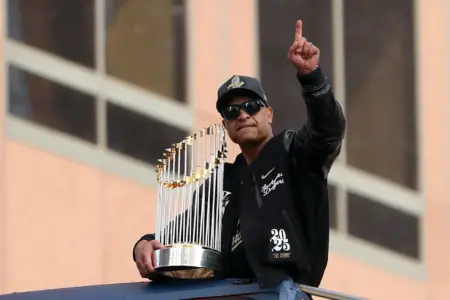
Despite the overall positive outlook, Manfred acknowledged the growing disparity in payroll between the league’s biggest spenders and the rest of the teams. The Los Angeles Dodgers, who won the World Series in 2024, had a $353 million luxury tax payroll, including a $103 million tax. In contrast, the A’s had the lowest luxury tax payroll at just under $84 million. Manfred emphasized that while the Dodgers’ competitive spirit is a positive aspect of the game, the financial disparity is a concern for fans in markets with limited resources. He has received numerous emails from fans expressing worry about their teams’ ability to compete financially. Manfred is committed to listening to these concerns and ensuring that the league remains competitive and engaging for all fans.