
Introduction: A New Era in Baseball
In a significant move towards the integration of technology into the world of sports, Major League Baseball (MLB) is testing an Automated Ball-Strike System (ABS) during spring training exhibition games. This initiative, which has been in development for four years in the minor leagues, is being closely monitored by Baseball Commissioner Rob Manfred, who sees it as a potential aid to home plate umpires, rather than a replacement. The ABS aims to enhance the accuracy and consistency of ball and strike calls, potentially making its way into regular MLB games as early as 2026. The testing process in 2024 includes a challenge system where human umpires make the initial calls, and teams have the opportunity to challenge these calls. This system is designed to refine the technology and address any issues before a broader rollout.
How the Automated Ball-Strike System Works
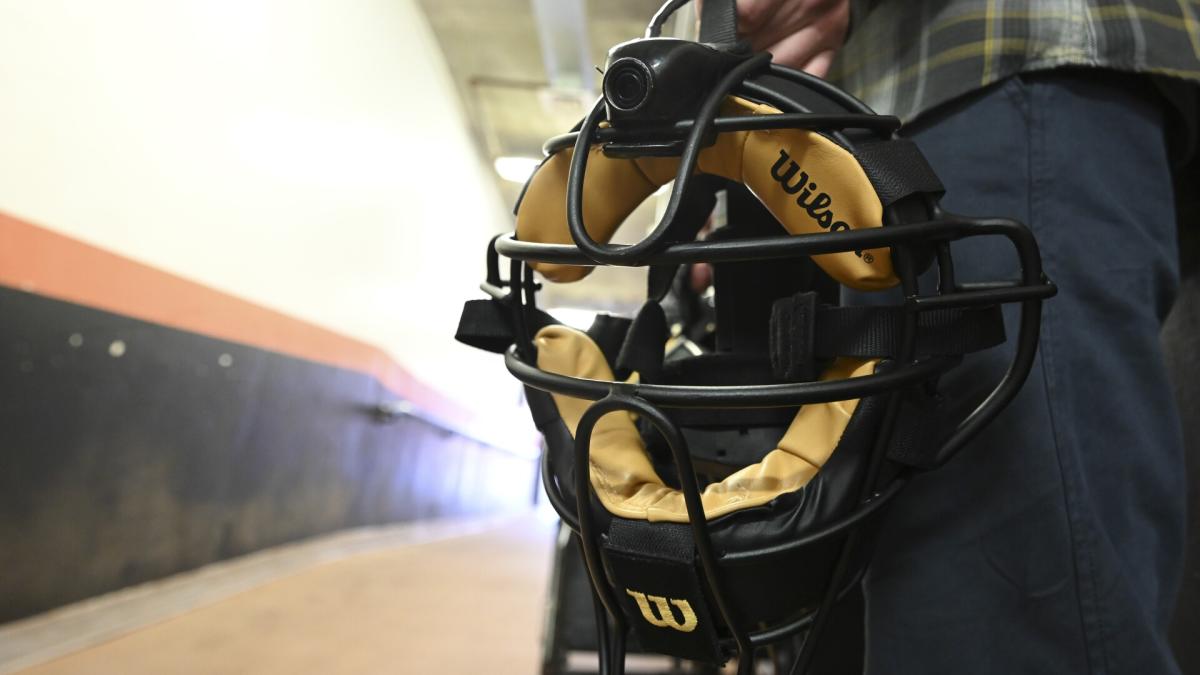
The ABS operates by outfitting stadiums with advanced camera systems that track each pitch and determine whether it crosses the home plate within the defined strike zone. During the early stages of testing, umpires wore earbuds that would receive "ball" or "strike" signals, which they would then relay to players and fans using traditional hand signals. However, the challenge system adds a new layer of complexity. In the current testing phase, human umpires continue to make the initial calls, but each team is given the ability to challenge two calls per game. If a challenge is successful, the team retains that challenge. The challenge process, which averages about 17 seconds, involves a visual representation of the pitch and strike zone on the scoreboard and broadcast feed, followed by the umpire’s announcement of the updated count. Only batters, pitchers, or catchers can initiate a challenge, and it must be done within two seconds.
Testing Locations and Technology
MLB has installed the ABS in 13 spring training ballparks, which are home to 19 teams. The Florida locations include the stadiums of the Detroit Tigers, Minnesota Twins, New York Mets, New York Yankees, Philadelphia Phillies, Pittsburgh Pirates, Toronto Blue Jays, and the shared ballpark of the Miami Marlins and St. Louis Cardinals. In Arizona, the systems are installed in five shared facilities: the Diamondbacks/Colorado Rockies, Chicago White Sox/Los Angeles Dodgers, Cleveland Guardians/Cincinnati Reds, Kansas City Royals/Texas Rangers, and Seattle Mariners/San Diego Padres. Approximately 60% of spring training games will be part of the ABS testing, with some teams, like the Diamondbacks, scheduled for 29 ABS games, while others, like the Cubs, will only have seven. The technology behind the ABS includes a Hawk-Eye pose-tracking system of cameras, which measures each player’s height without shoes before their first test game to ensure accurate strike zone determinations. The calibration process takes less than a minute per player.
Historical Context and Success Rates
MLB’s journey with ball/strike technology began in 2019 with experiments in the independent Atlantic League. A challenge system was introduced in 2021 at several Florida State League ballparks and was further tested in Triple-A parks in 2022 and 2023. The system underwent a significant change in 2024, switching to an all-challenge system. Last year, the overall return rate for challenges in Triple-A was 51%, with the defense winning 54% of the time and the offense 48%. The success rate for video reviews in the major leagues was slightly higher, at 53.7%, with the Boston Red Sox leading the way at 67.9%. Challenges were more frequent in later innings and with a higher count, with 8.2% of full-count pitches being challenged. The ABS strike zone, which is a rectangle based on the rule book, has evolved over time, with changes to its width and height to address feedback from players and coaches.
Impact on Gameplay and Broadcasts
The introduction of ABS has had noticeable effects on gameplay, particularly in terms of strikeout and walk rates. In full ABS games, strikeout rates increased by 0.5%, and walk rates rose by 1%. In challenge games, walk rates increased by 0.8%. The system’s impact on broadcasts is also a significant consideration. MLB is experimenting with different ways to display the strike zone and pitch data to avoid tipping off teams about when to challenge and to prevent fans from yelling at players to challenge. Options include showing the box but not the ball, showing the ball but not the box, or showing only the corners of the box. These adjustments are intended to maintain the integrity and excitement of the game while providing transparency to viewers.
Player Feedback and Future Prospects
Player feedback is a crucial component of the ABS testing process. Dugout iPads equipped with an application called ProTABS allow players to review their individual strike zones and provide comments on the system’s performance. This feedback is essential for refining the technology and addressing any concerns. The ProTABS app updates after every plate appearance, giving players real-time information and the ability to give detailed feedback on single pitches and the overall system. As MLB continues to test and refine the ABS, the goal is to create a system that enhances the accuracy of calls while preserving the human element and the spirit of the game. The future of ABS in MLB remains promising, with the potential to revolutionize how ball and strike calls are made, ultimately improving the fan experience and the fairness of the game.