
Mookie Betts: Transitioning to Shortstop
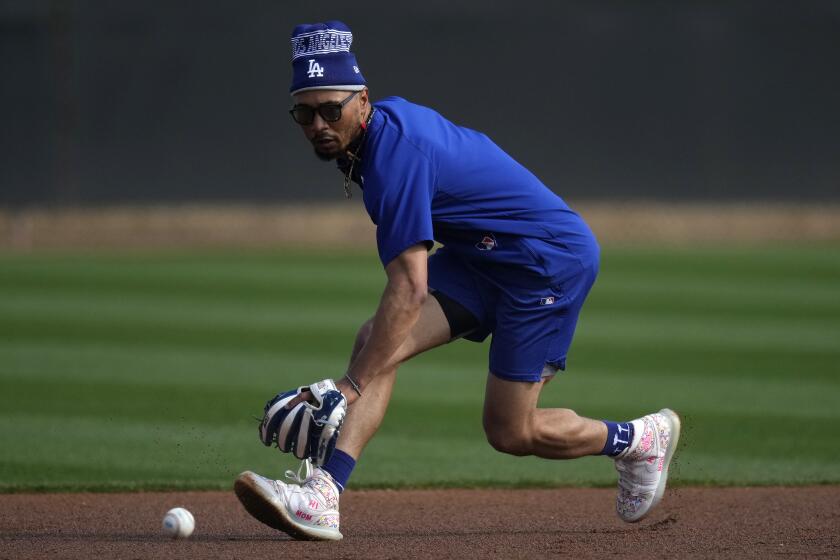
The Los Angeles Dodgers’ Mookie Betts had a challenging start to his journey at shortstop last season, playing only 65 games after being pressed into duty late in spring training. A six-time Gold Glove right fielder, Betts faced a steep learning curve, often struggling with throws and positioning. However, the Dodgers and Betts himself were committed to making the switch work. This season, Betts has embarked on an intensive training regimen, determined to prove his worth at the most demanding position on the diamond.
A History of Admiration
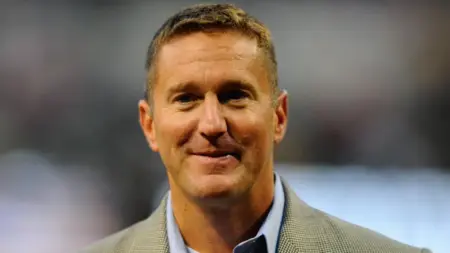
Troy Tulowitzki, a five-time All-Star and two-time Gold Glove shortstop, played against Betts during the latter’s rise to stardom with the Boston Red Sox. Although their interactions were limited, Tulowitzki fondly recalled Betts being almost too shy to say hello during their first meeting. “He was like, ‘Oh man, I was so scared to talk to you,’” Tulowitzki laughed, sharing Betts’ recollection years later. As Betts prepared to take on the role of shortstop full-time, he sought Tulowitzki’s expertise, eager to learn from one of the best at the position.
A Collaborative Effort
Betts’ offseason training was a meticulous and collaborative process. He began by taking grounders almost daily near his home in Los Angeles, working with the Dodgers’ video coordinator, Petie Montero. They trained at various high school fields, using Betts’ backpack as a makeshift base when necessary. The sessions were methodical, starting with basic footwork and gradually building up to full-speed drills. Woodward, who was a special advisor last season and is now the first-base and infield coach, reviewed footage from each session and provided daily feedback. Betts also traveled to Texas to work with Tulowitzki, focusing on refining his throwing mechanics and positioning.
Early Signs of Progress
The early signs of Betts’ progress are promising. Manager Dave Roberts noted that Betts’ technique is already "two grades better" than last year. First base coach Chris Woodward observed that Betts has developed a more "downhill" mentality, leveraging his athleticism and outfield habits to excel at shortstop. "He’s free-flowing and athletic, and he likes to play a little more downhill," Woodward said, likening Betts’ strengths to those of former Dodger Corey Seager. Betts’ throws have improved significantly, and he appears more comfortable with the position.
A Supportive Team
While the Dodgers are optimistic about Betts’ transition, they have contingency plans in place. Tommy Edman, who played shortstop during the postseason, is currently slated for center field but can step in if needed. Miguel Rojas, a capable backup, remains the best defensive shortstop on the team. Other utility players, such as Kiké Hernández and Hyeseong Kim, could also fill the role. For now, the opportunity rests entirely with Betts, and the early reviews are positive. "He’s way more comfortable with the things he’s doing at short," Rojas said. "His throws have been great in practice," third baseman Max Muncy added.
The Road Ahead
The journey to becoming an elite shortstop is far from over, but Mookie Betts is making significant strides. Tulowitzki, now an assistant coach at the University of Texas, is among those sold on Betts’ potential. "I think he can be an elite defender at the position," Tulowitzki said, adding, "it’s just crazy to say." Betts remains humble and focused, emphasizing the importance of continued practice and adaptation. "I’m just gonna go out there and give it what I got, and use this spring training to talk to other guys, figure out what information I can use to make better decisions throughout the game," he said. As the baseball world watches, the Dodgers are confident that Betts will rise to the challenge and solidify his place as one of the game’s premier players.