
The Yankees’ New Facial Hair Policy
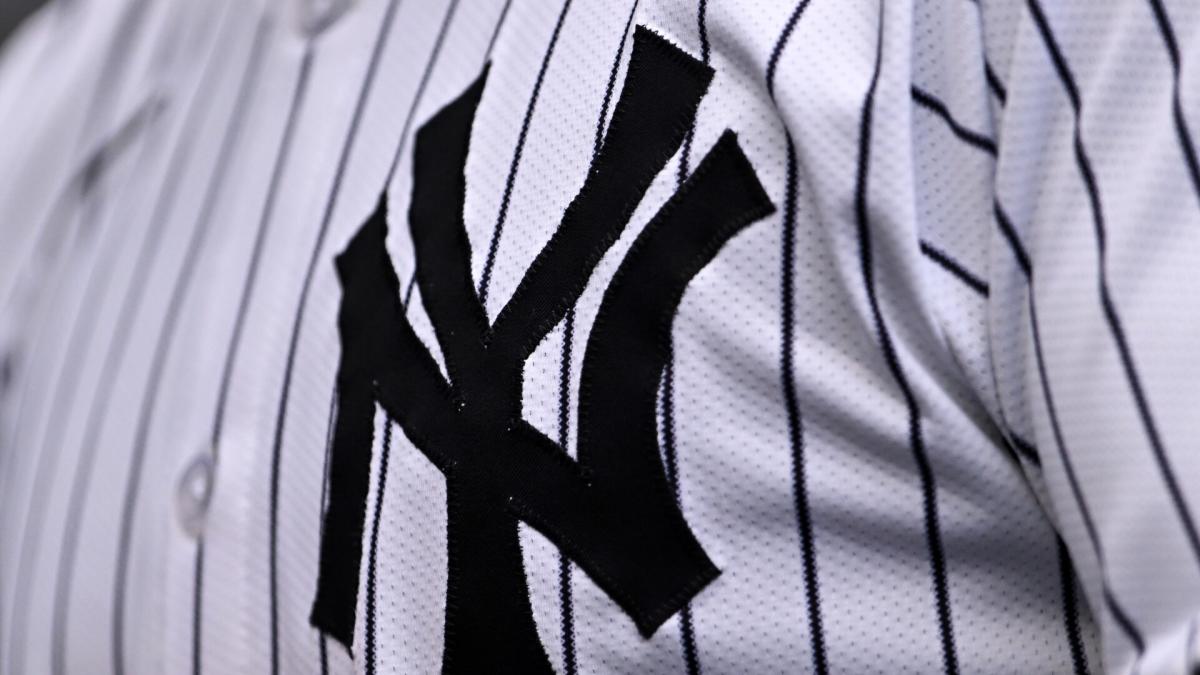
The New York Yankees, a storied franchise with a reputation for strict discipline and tradition, have recently made headlines by revising their longstanding policy against facial hair. This policy, which has often been humorously compared to something George Costanza might suggest—along with hitting tips, cotton uniforms, and Jon Voight day—is now more relaxed. The new rules allow for "well-groomed beards," a significant change from the previous zero-tolerance stance. This move has been met with a mix of surprise and approval, as it marks a shift from the team’s traditionalist roots toward a more modern and player-friendly approach.
The Evolution of Team Policies
The Yankees’ decision to permit well-groomed beards is part of a broader trend in professional sports where team policies are becoming more lenient and respectful of personal expression. In the past, teams like the Yankees have prided themselves on a neat and uniform appearance, seeing it as a reflection of discipline and professionalism. However, the modern athlete is increasingly viewed as a multifaceted individual with personal preferences and identities that should be respected. This shift in policy reflects a growing understanding that while a professional appearance is important, it should not come at the cost of individuality and personal comfort.
Comparing MLB and NFL Policies
While the Yankees’ new policy is noteworthy, it’s interesting to compare it with the policies of other major sports leagues. In the NFL, the Collective Bargaining Agreement (CBA) includes a provision that explicitly protects players’ rights to personal appearance. Article 49, Section 2 of the NFL’s CBA states: "Clubs may make and enforce reasonable rules governing players’ appearance on the field and in public places while representing the Clubs; provided, however, that no player will be disciplined because of hair length or facial hair." This means that NFL players can adorn themselves as they see fit, as long as it doesn’t interfere with team rules or public decorum. The contrast with the Yankees’ previous stringent policy is stark, highlighting the different approaches leagues take to player appearance.
The Role of Player Unions
The differences in policies between the MLB and NFL also shed light on the role of player unions in negotiating player rights. The NFL Players Association (NFLPA) has secured robust protections for player appearance, which is a testament to the union’s strength and effectiveness. On the other hand, the MLB Players Association, while often regarded as stronger than the NFLPA in other areas, has not secured similar rights for its players. This discrepancy raises questions about the priorities and effectiveness of different unions in advocating for player rights. It’s a reminder that the strength of a union is measured not just by its ability to secure high salaries and contracts but also by its ability to protect players’ personal freedoms and rights.
The Cultural Impact of Player Appearance
The issue of player appearance goes beyond just policy and union negotiations; it has a significant cultural impact. Athletes are role models and public figures, and their appearance can influence fans and the broader community. Allowing players to express themselves through their appearance can foster a more inclusive and diverse environment. It sends a message that personal expression is valued and respected, which can have positive ripple effects beyond the sports world. The Yankees’ new policy, while a small step, is part of a larger movement toward recognizing and respecting the individuality of athletes.
Looking Forward: A New Era for the Yankees
The Yankees’ decision to revise their facial hair policy is a sign of the times. It reflects a broader shift in how professional sports teams are approaching player management and the balance between tradition and modernity. While the team’s legacy and reputation for discipline will always be a part of its identity, this change signals a willingness to evolve and adapt. It’s a reminder that even the most traditional institutions can and should change with the times to remain relevant and connected to their players and fans. As the sport continues to evolve, it will be interesting to see how other teams and leagues follow suit, and how these changes shape the future of professional sports.