
The Yankees’ Facial Hair Policy: A Relic of a Bygone Era
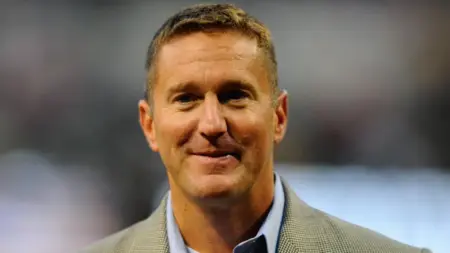
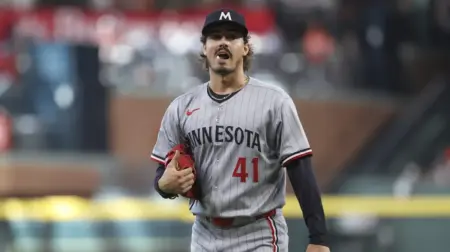
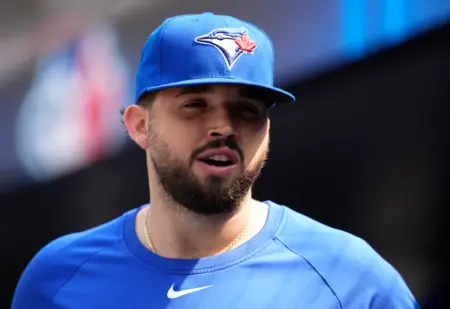
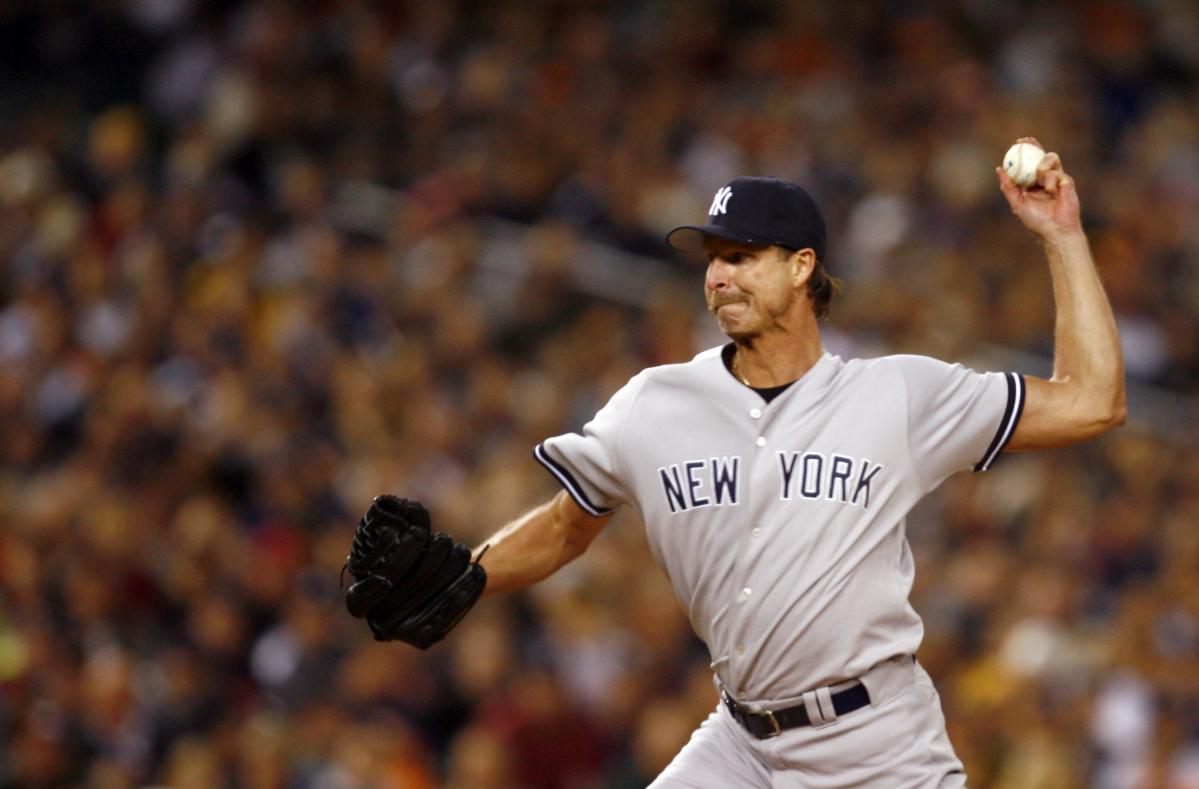
For over five decades, the New York Yankees have been synonymous with precision and tradition, epitomized by their strict appearance and grooming rules. One of the most famous of these was the no-beard policy, a rule that was as much a part of the Yankees’ identity as their pinstripes and the Bronx cheer. However, that iconic rule is finally changing. Yankees owner Hal Steinbrenner announced on Friday that the team will now allow "well-groomed beards," marking the end of a long-standing tradition that dates back to the 1970s. The policy, originally implemented by the late George Steinbrenner and then-manager Billy Martin, forbade beards, long hair, and sideburns, though mustaches were still permitted. This rule has been a point of contention and even a dealbreaker for some players, forcing them to make tough decisions between their personal appearance and their professional aspirations. With the new policy, the Yankees are embracing a more modern and inclusive approach, and new closer Devin Williams has already taken advantage of the relaxed rules.
Breaking the Moustache: Cincinnati Reds’ Facial Hair Policy
The Yankees weren’t the only team to enforce a clean-shaven look. The Cincinnati Reds also had a strict facial hair policy, introduced in 1967 by general manager Bob Howsam. This rule remained in place for over three decades, even after Howsam’s departure in 1976. The policy, which banned beards, long hair, and sideburns, was a reflection of the conservative and traditionalist mindset that pervaded the league during that era. However, in 1999, the arrival of left fielder Greg Vaughn changed everything. Vaughn, known for his iconic goatee, refused to shave it when he joined the team. After a brief standoff, Reds owner Marge Schott relented, effectively ending the long-standing policy. Vaughn’s season with the Reds was brief, but his stand for personal expression left a lasting impact on the team and the league.
Headbands and the Chicago Bulls: A Coach’s Stand
In the NBA, headbands became a popular accessory among players in the 2000s, thanks in part to the influence of young stars like LeBron James. However, some coaches were not fans of this trend and implemented strict rules against it. One of those coaches was Scott Skiles of the Chicago Bulls. During his four-year tenure, Skiles enforced a no-headband policy, leading to several run-ins with big man Ben Wallace, who had worn a headband as part of his signature look throughout his time with the Detroit Pistons. Wallace was pulled from games twice in the 2006-07 season for violating the policy. Eventually, Skiles relented and allowed Wallace to wear his headband, with the support of his teammates. While Skiles and other coaches like Jerry Sloan of the Utah Jazz and Pat Riley of the Miami Heat were known for their headband bans, the league has since relaxed its stance on player attire, allowing for more creative expression on the court.
MLB’s Cleat Revolution: From Restriction to Creativity
Major League Baseball (MLB) has also had its share of uniform policies, particularly when it comes to cleat color. Prior to 2018, MLB players were required to wear cleats with an exterior that was at least half the club’s primary color, and the color had to be evenly distributed. Designs and unique shapes were not allowed, leading to multiple players being fined for non-compliance. This restrictive policy was a point of frustration for many players who sought to express themselves through their footwear. In response to the pushback, the league negotiated with the MLB Players Association and lifted the restrictions. Since then, MLB players have embraced the opportunity to showcase their creativity with colorful, themed, and illustrated cleats. New York Yankees’ Jazz Chisholm, for example, wore Space Jam-inspired cleats during the 2024 American League Championship Series, a clear indication of the league’s more relaxed and open-minded approach.
The Hoodie Rule: Detroit Pistons’ Old School Mentality
In a more recent example, Detroit Pistons head coach J.B. Bickerstaff has implemented a unique rule: no hoods up during practice. This rule is part of what Bickerstaff describes as "the last shred of that old-school mentality," a value he inherited from his father, former NBA coach Bernie Bickerstaff. The coach believes that players should practice as they play, which means no head coverings or jewelry during practice. While some might see this as a minor detail, Bickerstaff views it as a crucial aspect of maintaining professionalism and focus. The players, including star Cade Cunningham, have largely accepted the rule, comparing it to school dress codes and seeing it as a way to enhance their readiness for games.
‘Fortnite’ and the Boston Red Sox: A Digital Dilemma
In 2018, the video game "Fortnite" swept the nation and quickly became a favorite among Boston Red Sox players. The game’s addictive nature and social appeal made it a common sight in the clubhouse, but it also began to raise concerns about its impact on the team’s performance. Reports suggested that the Red Sox had to ban "Fortnite" from the clubhouse in 2019 due to the excessive time players were spending on the game, which was deemed "counterproductive" to their on-field focus. While the team denied an outright ban, multiple players acknowledged that they had to cut back on their gaming to refocus on baseball. The Red Sox’s struggle with "Fortnite" was not unique; the Philadelphia Phillies and Toronto Blue Jays also faced similar issues with players’ excessive gaming. This digital dilemma highlights the ongoing challenge sports teams face in balancing modern entertainment with professional discipline.