
The Heart of the Game
You can’t manufacture soul. There was a time when the NBA All-Star Game was a spectacle that transcended mere basketball, a moment when legends like LeBron James and Kobe Bryant faced off in a way that ignited the passion of fans and players alike. Remember the 2012 game in Orlando, when LeBron passed up a winning shot against Kobe, only to throw an errant pass to Carmelo Anthony and face a tirade from the legendary Laker? It was a moment that, while perhaps toxic, demonstrated a level of care and competitiveness that spilled into the culture. This year, LeBron James barely showed up, announcing during his news conference that he was resting his ailing foot and ankle to prepare for the Lakers’ crucial stretch run. The contrast is stark, and it highlights a broader issue: the All-Star Game has lost its fire.
Oakland vs. San Francisco
It’s almost fitting that this year’s All-Star Game took place in San Francisco rather than Oakland. The essence, the lifeblood, and the competition of the NBA feel more rooted in the grit and passion of Oakland. Fans who watched the players practice there on Saturday afternoon exhibited every ounce of that spirit. On the other hand, the games themselves were held at the sprawling Chase Center, a state-of-the-art facility that embodies the opulence and luxury of Silicon Valley. Inside, the energy was often hard to find, with only a few precious moments of genuine excitement. It seems that in a venue designed for maximum comfort and convenience, the players were too cool to compete, too concerned with their pride to be seen making mistakes that would end up on social media.
The Dunk Contest and Rising Stars
LeBron has faced some criticism for opting out of the dunk contest, a decision that may have set a tone of disinterest. However, it’s worth remembering that LeBron has given more to the game than almost anyone. As he approaches his 25th season in the league, continuing to criticize him seems petty. The real issue is that the younger players, like Mac McClung, who has won the dunk contest three consecutive years, or the Rising Stars, who pushed their teams to their limits, are the ones with everything to gain and nothing to lose. They play with a level of enthusiasm and competitiveness that seems to be missing from the main event. Perhaps the only way to revitalize the All-Star Game is for these rising stars to set a new standard, one that shames the veterans into stepping up their game.
The Financial Reality
It’s also important to consider the financial reality for the players. With salaries reaching unprecedented heights and the new media-rights deal promising even more, the financial incentives for participating in the All-Star Game are negligible. Players like Kevin Durant, who have been All-Stars multiple times, recognize the extra work involved but still see it as an honor. “We got our pride on the line every night,” Durant said. “Somebody gets dunked on or crossed up, it’s going to be on House of Highlights. So I don’t think that will be a reason why guys won’t play.” Despite this, the energy and effort in the All-Star Game often fall short of the daily excellence we see in the regular season. The league takes plenty of hits, and the appreciation for what it means to be great has sometimes been overshadowed by the negative perception surrounding the event.
Commissioner Adam Silver and Player Autonomy
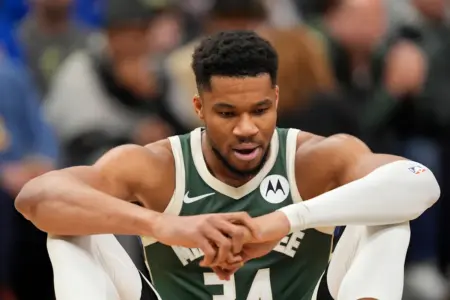
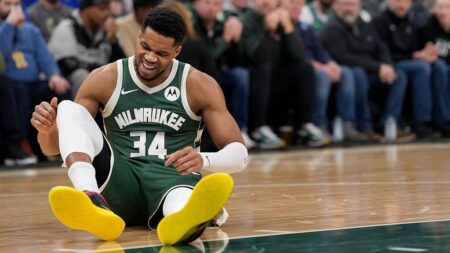
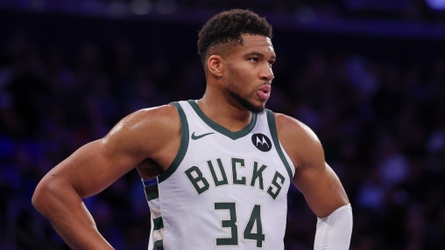
It’s easy to place the blame at the feet of NBA Commissioner Adam Silver. After all, no one likes the boss, and Silver, a true fan of the game, has often put his finger on the scale to try to make the All-Star Weekend better. The league has listened to the players over the years, implementing changes like the Elam Ending and allowing players to pick their own teams a week before the event. Despite these efforts, the result is often the same: a lackluster performance that fails to capture the magic of the past. Giannis Antetokounmpo, who was out with a calf injury, summed it up well: “I feel like everyone is grown men. You cannot force anybody to play hard if he doesn’t want to.” For Giannis, the All-Star Weekend is a chance to compete against the best, and he treats it with the respect it deserves. However, not all players share this mindset, and the league can only do so much to encourage them.
The Value of Entertainment
The NBA isn’t making changes just for the sake of it. It wants the players to believe in the All-Star Weekend, because once they do, the fans will follow. The league understands the importance of entertainment, especially in an era where audiences are increasingly fickle. The halftime shows featuring Raphael Saadiq, En Vogue, and E-40, all Bay Area icons, were a hit, and the Super Bowl’s recent halftime show even put Broadway musicals to shame. The clutching of pearls and behaving as if the All-Star Game should be nothing more than a straightforward competition is misguided. It’s possible to pay homage to the game’s history and still embrace the entertainment value that keeps fans engaged. Stephen Curry, who was part of the group working with the league on the new format, acknowledged this: “Obviously there was a lot of conversation around the fourth team and the Rising Stars. The All-Star experience on Sunday is very sacred, and you have to work your way into that. But I think it was a good step in the right direction to reinvigorate the game in some way.”
The Future of All-Star Weekend
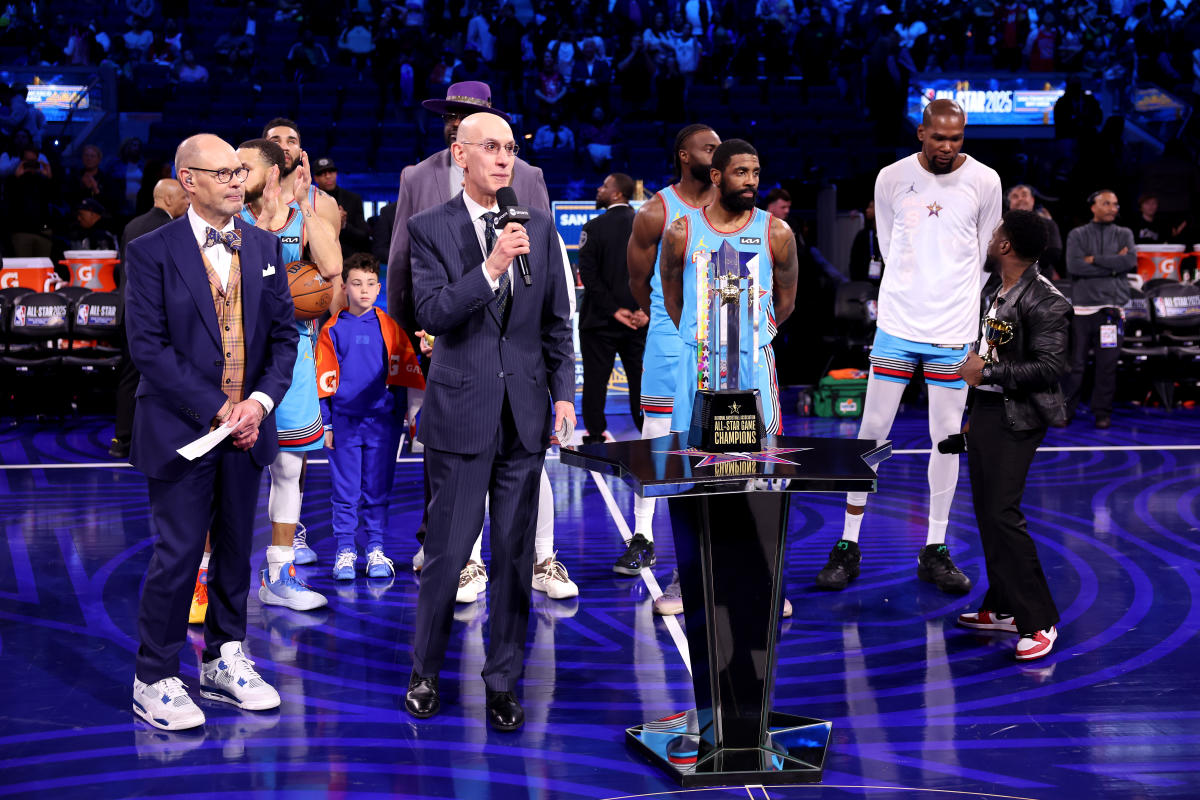
The NBA will keep tinkering and trying to find the right formula. Curry recognized the potential unintended consequences of the new format, such as players getting cold between games or the distraction caused by Kevin Hart’s antics. However, the key to restoring the All-Star Weekend’s luster lies in the players themselves. They need to decide to compete, to play with the passion and intensity that fans crave. The league can create the best environment and incentives, but ultimately, it’s up to the players to bring the heart back to the game. Until someone steps up and shows that they are willing to try, the All-Star Game will continue to feel like a shadow of its former self.