
A Summer of Uncertainty Ends
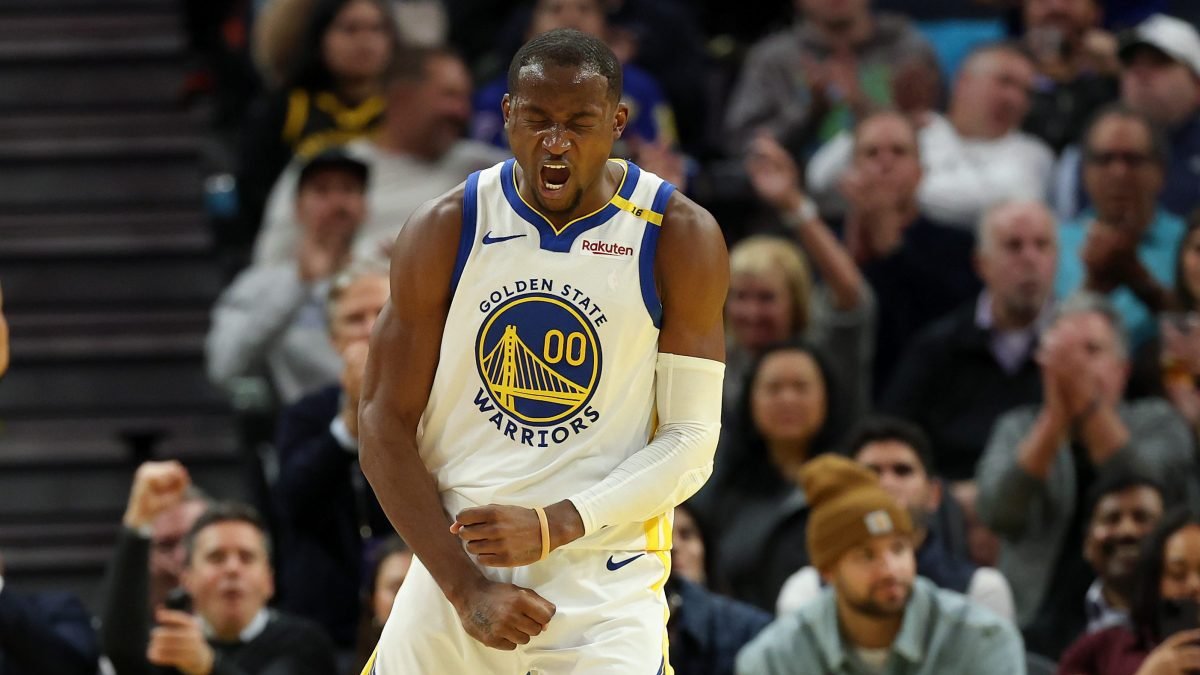
The longest, driest summer in Golden State Warriors history came to a close on Tuesday, just eight days into autumn. For 92 days, the team and Jonathan Kuminga, a promising 22-year-old forward, were locked in negotiations that seemed endless. What began in June as a straightforward contract renewal turned into a complex dance of demands and concessions. Finally, after months of tension, both sides found common ground, albeit with each making significant compromises. Kuminga agreed to a new deal worth $48.5 million over the next two seasons—significantly more than the $8 million qualifying offer originally tabled. This substantial payday reflects his growing value and potential, but it also means he won’t get everything he wanted.
Key Terms and Concessions
Jonathan Kuminga, an athlete whose skills and youth make him a valuable asset, did not achieve all his goals. He won’t receive a guaranteed starting role or a no-trade clause, which would have been included had he accepted the qualifying offer. Additionally, he won’t see the 30 minutes per night he anticipated elsewhere. Despite these concessions, the deal is a significant win for Kuminga, as it guarantees him a hefty paycheck and keeps the door open for exploring the unrestricted free agent market in 2027, if not sooner. His agent, Aaron Turner, known for his candid approach, recognized the urgency and trimmed some of their initial demands to reach a conclusion. For Kuminga, this agreement provides financial security and a platform to prove his worth on the court, even if it’s not exactly what he envisioned.
Warrior Strategy and Flexibility
The Warriors, on the other hand, managed to retain the crucial flexibility they sought by maintaining the team option. This strategic move ensures that they can navigate the league’s salary cap and roster dynamics effectively. By avoiding the qualifying offer quicksand, the Warriors secured a substantial salary slot, which is invaluable for building future rosters. This foresight could also save face for the front office, who might have faced public embarrassment if Kuminga had bolted as an unrestricted free agent next July. General Manager Mike Dunleavy and CEO Joe Lacob can breathe a sigh of relief, knowing they are in a strong position to get a return on their investment. Moreover, the deal opens up a window for potential trades, particularly during the three-week period between January 15 and February 5, 2026, the NBA trade deadline. This flexibility could be crucial in shoring up the team’s weaknesses or capitalizing on opportunities in the coming months.
Roster Completion and Immediate Relief
With the Kuminga situation settled, the Warriors can now focus on filling their thinned-out roster. Players like Seth Curry, Al Horford, and De’Anthony Melton have been in the waiting room for almost three months, ready to sign their contracts. Horford, a seasoned veteran, is set to receive a two-year deal starting at Golden State’s $5.7 million taxpayer mid-level exception. He is likely to join the team’s practices immediately, bringing much-needed experience and depth to the lineup. The signings of Seth Curry and Melton, however, are slightly more complicated due to salary cap constraints. One will join as the 15th man, possibly as early as November 12, while the other may need to wait. Seth Curry, being fully healthy and ready to play, seems the more logical choice for an immediate addition. On the other hand, Melton is still rehabilitating from ACL surgery and may not be cleared until November, adding a layer of uncertainty to his timeline.
Projected Lineup and Bench Depth
As the roster takes shape, Coach Steve Kerr and GM Mike Dunleavy’s vision for the upcoming season becomes clearer. Al Horford is expected to slide into the starting center position, leveraging his defensive prowess and veteran leadership. Once De’Anthony Melton is fully recovered, he is likely to vie for a starting backcourt spot alongside Stephen Curry. In the meantime, the Warriors have a deep bench that includes Seth Curry, Buddy Hield, Trayce Jackson-Davis, Moses Moody, Gary Payton II, Brandin Podziemski, Quinten Post, and, of course, Jonathan Kuminga. This bench strength is a critical factor in the team’s strategy to remain competitive, especially in the cutthroat Western Conference. If Kuminga performs at a level consistent with his new contract, the Warriors stand a good chance of matching up well against any opponent.
Health and Performance: Critical Factors
The success of the Warriors’ strategy hinges heavily on the health and performance of their key players. Stephen Curry, the franchise cornerstone, needs to stay healthy and exceed his recent average of 72 games played over the past two seasons. Given his age—turning 38 next March—this is a tall order but not impossible. Jimmy Butler III, another vital piece, hasn’t appeared in more than 65 games since 2018-19, and with him turning 36 this month, consistency is key. Similarly, Draymond Green, who has only played 70 games once since 2017-18, also needs to improve his availability. Al Horford, averaging about 64 games over the past four seasons, must stay durable while contributing around 24-28 minutes per game. Lastly, De’Anthony Melton’s ability to regain the form he showcased before his injury and log 24-26 minutes over 65 games will be crucial. These “ifs” add layers of complexity, but if the stars align, the Warriors could field a roster strong enough to secure one of the top six playoff seeds and avoid the play-in tournament.
Moving Forward with Optimism
Despite the prolonged negotiations and the uncertainties that lie ahead, the Warriors now have a clearer path forward. The deal with Kuminga and the impending additions of Curry, Horford, and Melton bring stability and depth to the roster. Coach Steve Kerr and the front office have a solid foundation to work with, and the veterans on the team, led by Stephen Curry, Jimmy Butler III, and Draymond Green, can provide the necessary leadership and guidance. If Kuminga continues to develop and the key players stay healthy, the Warriors have every reason to be optimistic about the coming season. As the NBA landscape continues to evolve, the Warriors are well-positioned to adapt and compete at the highest level.