

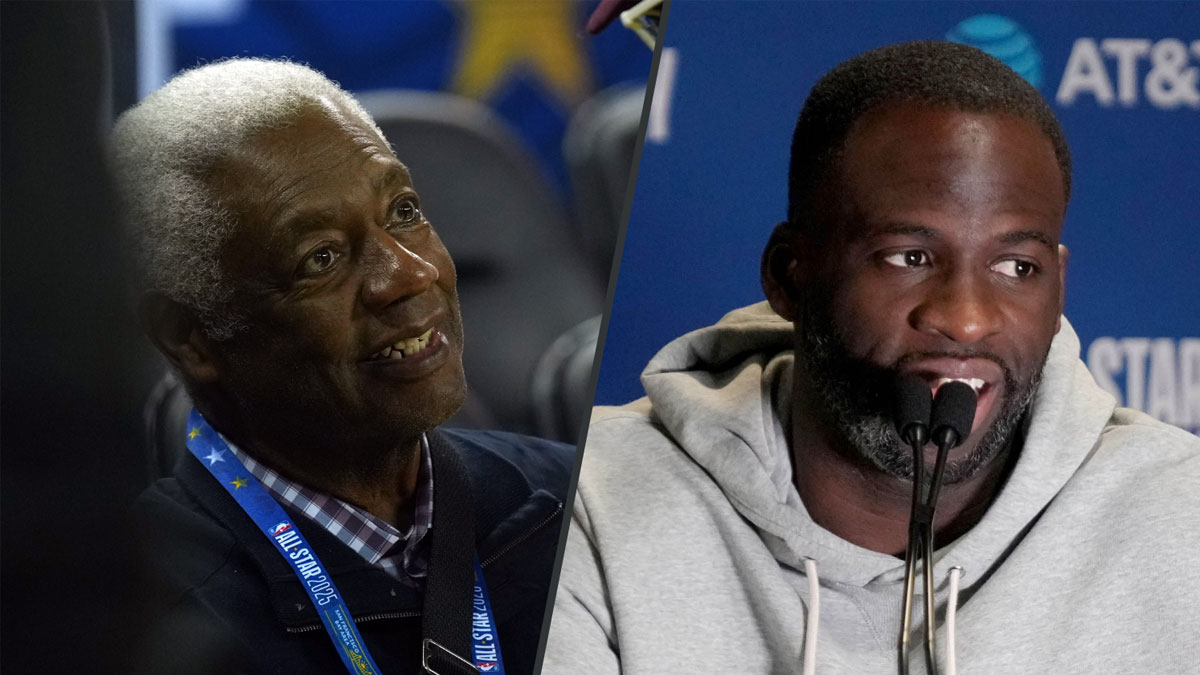
Oscar Robertson’s Take on Draymond Green’s NBA Critique
Oscar Robertson, a towering figure in the history of basketball, has made his stance clear on Draymond Green’s recent comments about the state of the NBA. At the NBA All-Star Media Day, Green called the league "very boring" and criticized its lack of substance. Robertson, now a revered member of the Naismith Memorial Basketball Hall of Fame, dismissed Green’s critique with a wave of his hand. "Draymond says so much, who cares what Draymond says? It doesn’t mean anything," Robertson told SiriusXM’s Justin Termine and Frank Isola. This blunt response underscores the depth of the divide between the older and newer generations of basketball.
The Context of Green’s Criticism
Draymond Green’s critique did not come out of the blue. In his original comments, which quickly went viral, Green expressed his frustration with the current state of the game. He lamented the loss of what he called "gamesmanship," a term that encapsulates the strategic and mental battles that used to define basketball. Green fondly recalled the matchups against Los Angeles Lakers superstar LeBron James, noting the high level of chess-like strategy in every possession. "Every possession is some type of chess move," Green said. "You don’t get that today in the NBA, often. … You don’t just get that on a regular basis. It’s just who can run faster, who can hit more threes. It’s no substance. I think it’s very boring."
Robertson’s Counterpoint
Robertson, known for his own strategic brilliance and all-around play, found Green’s critique lacking in substance. He pointed out that Green’s role in the Warriors’ lineup might contribute to his perception of the game as "boring." "It might be boring to him because if he doesn’t pass the ball to [Steph] Curry, what is he doing? Not to single that out because he knows how to play basketball, but he’s passing the ball to Curry more than anyone I’ve ever seen in basketball," Robertson stated. This observation highlights the unique dynamics of the modern game, where stars like Curry often dominate the ball, potentially reducing the role of supporting players like Green.
The Evolution of the Game
The NBA has undoubtedly evolved since Robertson’s era. The three-point line, introduced in 1979, has revolutionized the game, leading to a style of play that emphasizes speed, shooting, and spacing. This evolution has been both a blessing and a curse, according to various perspectives. While it has made the game more exciting for many fans, it has also led to a style of play that some, like Green, find less intellectually engaging. Robertson’s response reflects a certain nostalgia for the old-school game, where physicality and strategic play were paramount. However, he also acknowledges that people ultimately enjoy the game, especially if their team is winning.
The Cultural Impact
Green’s comments sparked a broader conversation about the cultural impact of the NBA. His criticism resonated with some who long for a return to the more tactical and physical aspects of the game. However, Robertson’s dismissive response highlights the generational divide in basketball. While younger players and fans might see the game through a different lens, the legends of the sport often have a more traditional view. This divide is not unique to basketball but reflects broader societal changes and the continuous evolution of sports.
Looking Forward
Despite the differing views, the NBA continues to evolve, balancing the demands of modern fans with the rich history of the game. The final regular-season matchup between the Warriors and the Lakers on April 3 at Crypto.com Arena will be a significant moment, especially for those who share Green’s appreciation for the strategic aspects of the game. Whether the game will live up to Green’s standards of "substance" remains to be seen, but it is sure to be a highlight of the season. In the meantime, the ongoing debate between traditionalists and modernists in the NBA is sure to continue, enriching the conversation and keeping the game dynamic and engaging.