
A Sudden Health Scare for the Spurs
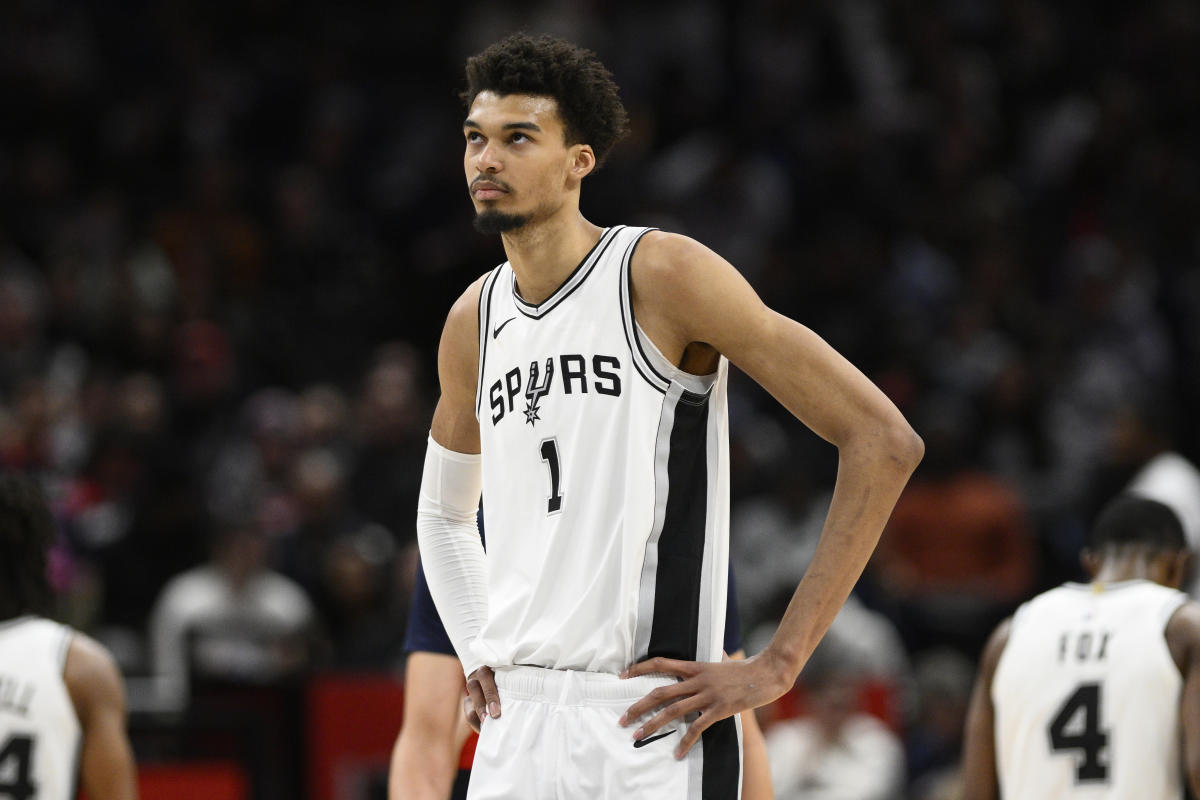
As the NBA geared up to resume play after the All-Star break, the San Antonio Spurs were hit with a concerning piece of news. All-Star center Victor Wembanyama has been diagnosed with a deep vein thrombosis (DVT) in his right shoulder and will miss the remainder of the season. DVT is a serious medical condition involving blood clots, and its discovery has naturally shifted the focus from basketball to the health and well-being of the young star. The news was met with a collective gasp from the basketball community, as any health issue, especially one as serious as a blood clot, takes precedence over on-court performance and team standings. For the Spurs, this setback is another chapter in a tumultuous season that has already seen significant challenges.
Understanding the Diagnosis
Deep vein thrombosis is a form of blood clot that forms in the deep veins of the body, most commonly in the legs, but in Wembanyama’s case, it has developed in his right shoulder. The Spurs detected this condition after Wembanyama returned to San Antonio following the All-Star weekend, highlighting the team’s vigilant health monitoring. Blood clots are dangerous because they can break loose and travel to other parts of the body, such as the lungs, causing life-threatening complications. It’s a condition that demands immediate and serious medical attention, and the Spurs have been proactive in addressing it. The emphasis here is on Wembanyama’s health and ensuring he receives the best possible care to recover fully.
Previous Health Concerns in San Antonio
This is not the first health scare for the Spurs this season. Head coach Gregg Popovich suffered a mild stroke on November 2, and his return to the sidelines remains uncertain. Popovich, a towering figure in the NBA, has been a key part of the Spurs’ success for over two decades, and his absence has been deeply felt by the team and its fans. The combination of Popovich’s stroke and Wembanyama’s DVT has put the Spurs in a particularly challenging position, both on and off the court. However, the team’s resilience and the positive prognosis for both individuals offer a glimmer of hope.
Wembanyama’s Prognosis and Future
According to Mike Finger from the San Antonio Express-News, the Spurs are optimistic about Wembanyama’s long-term health. They expect him to recover in time for the start of the next season, which is a significant relief. The team has been reassured that this blood clot is not as severe as the condition that forced former All-Star Chris Bosh into retirement. Bosh’s career-ending diagnosis was a stark reminder of the gravity of blood clots, and the fact that the Spurs are already planning for Wembanyama’s return suggests that his situation is manageable. While the immediate future is uncertain, the Spurs’ confidence in Wembanyama’s recovery is both reassuring and a testament to the medical expertise at their disposal.
Immediate Impact on the Team
The loss of Wembanyama will undoubtedly have a profound impact on the Spurs’ immediate future. Standing at 7 feet 5 inches, Wembanyama had quickly become the centerpiece of San Antonio’s defense and was a leading candidate for the Defensive Player of the Year award. His absence will not only affect the team’s defensive prowess but also their overall play, as he was a key offensive player and a presence in the paint that intimidated opponents. The Spurs’ lottery odds are likely to improve as a result of losing a star player, but this is a topic that feels almost inappropriate to discuss given the gravity of the situation. The priority for everyone is Wembanyama’s health and well-being, and any projected draft value pales in comparison.
Adjusting the Rotation
With Wembanyama out, the Spurs will need to make significant adjustments to their lineup. One player who could see an increased role is Sandro Mamukelashvili, a 6-foot-11 big man with a versatile skill set. Mamukelashvili has shown his ability to shoot from beyond the arc, posting a reliable 43.6% from three-point range. He is also effective in the paint, with an 86.4% conversion rate within three feet, and his 250-pound frame allows him to dominate down low. Additionally, Mamukelashvili is a solid rebounder and can distribute the ball, making him a valuable asset in Wembanyama’s absence. While he won’t completely fill the void left by Wembanyama, Mamukelashvili can contribute in meaningful ways and help the team manage the transition.
Moving Forward
In the wake of this news, the Spurs will lean more heavily on their other key players. De’Aaron Fox, Devin Vassell, and Stephon Castle will likely carry a bigger offensive burden, and the team will need to find creative ways to compensate for the loss of Wembanyama’s defensive impact. However, these considerations are secondary to the health of their franchise player. The Spurs organization will remain focused on Wembanyama’s recovery, ensuring he receives the necessary treatment and support. As they prepare for his return, the team’s commitment to his well-being will be the guiding principle in all their decisions. While the immediate future may be uncertain, the long-term outlook for Wembanyama and the Spurs remains promising.