
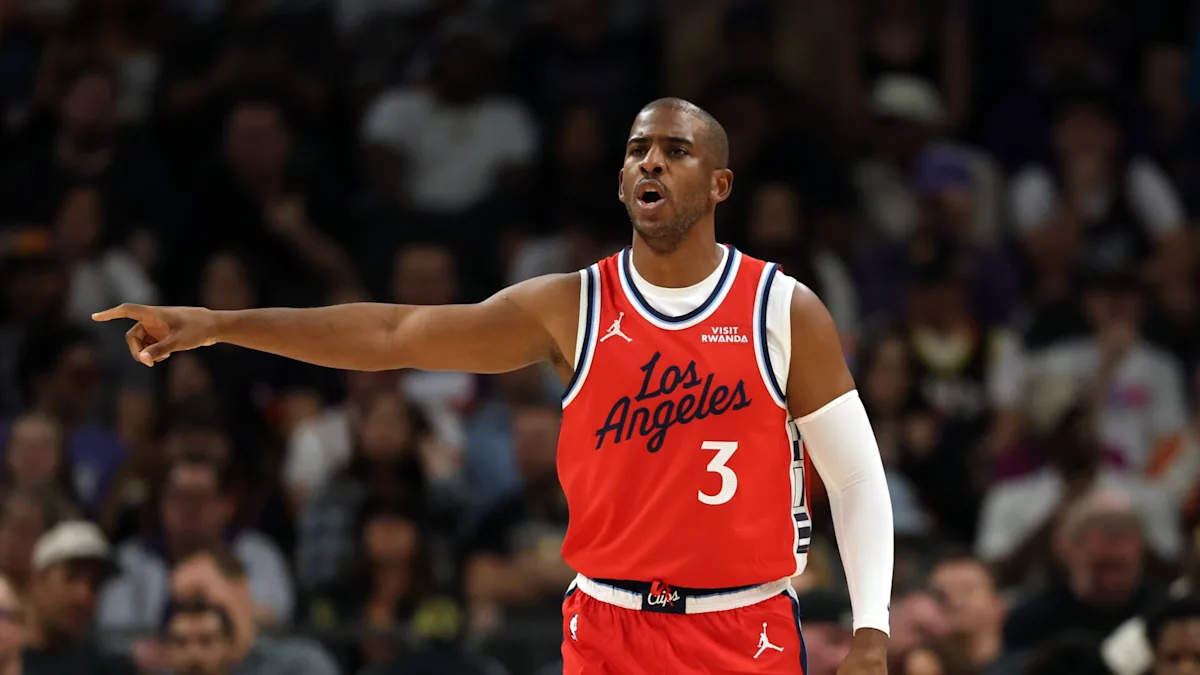
The Return of a Vocal Leader
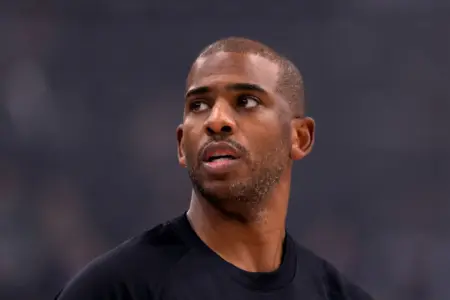
The LA Clippers anticipated the impact of signing Chris Paul, a future Hall of Fame point guard, last offseason. His leadership style was well-known: vocal, demanding, and unafraid to hold everyone, including coaches and management, accountable. This was precisely why the San Antonio Spurs wanted him to mentor young talents like Victor Wembanyama and Stephon Castle. Paul’s presence was intended to instill a sense of discipline and high standards, but it was also a double-edged sword. The Clippers had experienced the wear and tear of Paul’s relentless criticism before during the “Lob City” era, when players like Blake Griffin and DeAndre Jordan grew tired of his constant critiques, leading to friction within the team.
The Struggles of a Fractured Team
This season, the Clippers found themselves in a precarious position, with a 5-16 record and numerous issues plaguing their performance. The team that had boasted a top-three defense the previous season, winning 50 games, now found themselves 26th in defense, particularly struggling in transition, which was a significant problem given their high turnover percentage. The Clippers’ offense was also predictable, running the highest percentage of isolation plays in the NBA. Injuries added to the woes, but the front office’s decision to replace Norman Powell with a combination of Bradley Beal and John Collins had not panned out as expected. The team was not only struggling but also felt old and slow in an increasingly fast-paced league.
A Breakdown in Communication
The tension between Chris Paul and the Clippers reached a breaking point. According to NBA insider Chris Haynes, Paul and head coach Tyronn Lue were no longer speaking to each other. ESPN’s Shams Charania provided further details, painting a picture of a locker room filled with concerning vibes and open discussions about the team’s lack of energy. Paul, known for his vocal leadership, was likely addressing all these issues, but his style was not well-received by the veteran roster. The Clippers, a team that was already dealing with a multitude of problems, found themselves in a situation where they could no longer tolerate Paul’s relentless criticism.
The Decision to Part Ways
The Clippers’ decision to part ways with Chris Paul was a difficult one, made more awkward by the late-night timing while the team was on the road. The organization recognized that the combination of a struggling team and Paul’s leadership style had created an untenable environment. Paul’s critics included not just his teammates but also coaches and management, and the friction had become too much to bear. The Clippers found themselves in a tight spot, with just 14 players on the roster and close to their first apron hard cap, making it impossible to sign even a veteran minimum player until January.
Navigating the Future
Despite the challenging circumstances, the Clippers cannot simply waive Chris Paul. Instead, they will keep him on the roster and actively seek a trade. Paul’s agents will be heavily involved in this process, aiming to find a destination where he can have the farewell tour he deserves. For now, Paul is taking a step back, spending time with his family and waiting for the next chapter in his career. The Clippers must navigate this period carefully, ensuring that the team’s chemistry and morale are not further damaged while they work towards a resolution.
A Complex Decision with Broader Implications
The decision to part ways with Chris Paul is a complex one that reflects the multifaceted challenges facing the Clippers. While Paul’s leadership was initially seen as a strength, it ultimately became a point of contention on a team struggling to find its footing. The Clippers now face the task of rebuilding their locker room culture and addressing the numerous issues that have plagued their season. The future remains uncertain, but the organization is committed to finding a path forward, both for the team and for one of the greatest point guards in NBA history.