
The Shock of the Trade
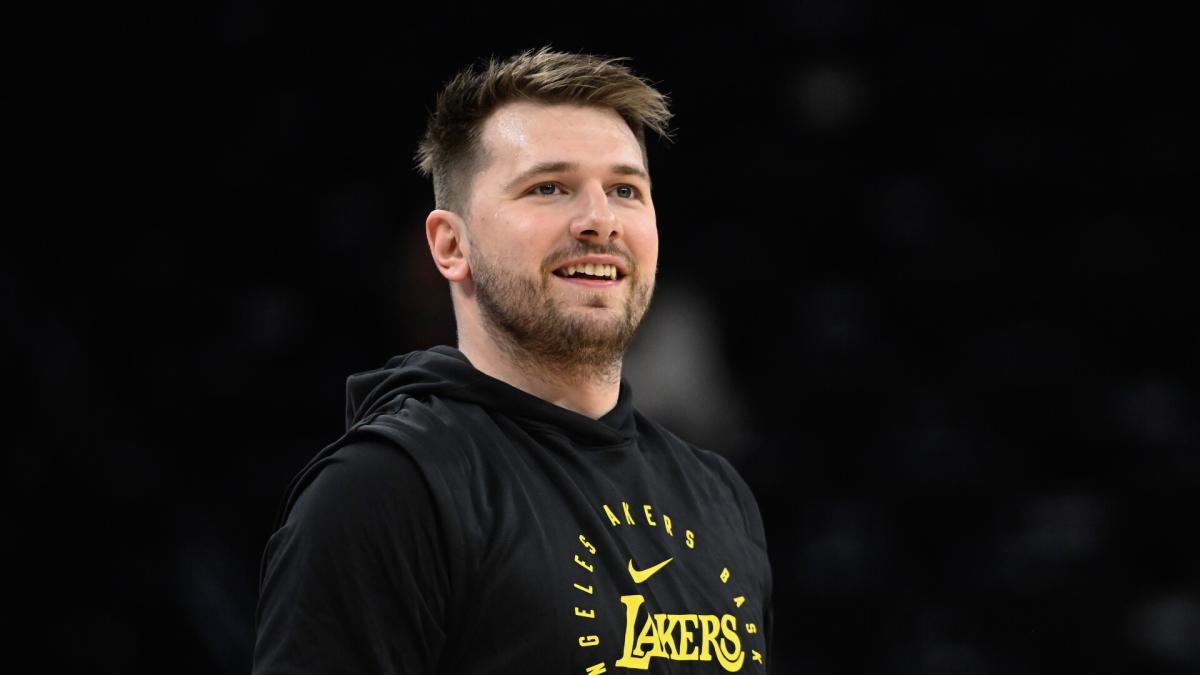
The news of Luka Doncic being traded from the Dallas Mavericks to the Los Angeles Lakers for Anthony Davis (alongside Max Christie and a pick) sent shockwaves throughout the NBA, especially during All-Star weekend in San Francisco. The reaction from fans, media, and front office executives was palpable, with many still processing the unexpected move. Victor Wembanyama, the coveted rookie, expressed his empathy for the Mavericks’ fans, noting the pain and hurt they were feeling. NBA Commissioner Adam Silver echoed this sentiment, acknowledging the fans’ anger while also expressing understanding for the Mavericks’ front office and ownership. The trade, which occurred just days before the All-Star festivities, left many questioning the rationale behind such a drastic decision, particularly given the timing and the lack of preparation for the fans.
The Financial Implications
At the heart of the trade lies a fundamental truth about the NBA: it’s always about the money. This summer, Doncic would have been eligible for a five-year, $346 million supermax extension, the largest contract in NBA history. Doncic himself has hinted that he would have signed it, a move that would have cemented his status as a franchise cornerstone. However, according to a deep dive by The Athletic’s Christian Clark, Mike Vorkunov, and Fred Katz, the Mavericks were never going to offer such a monumental deal. The reluctance to pay the astronomical sum reflects a broader financial strategy and the team’s perception of Doncic’s value.
A Bleary-Eyed Team Meeting
The morning after the trade, Mavericks GM Nico Harrison addressed his team in Cleveland. Sources familiar with the meeting reported that Harrison told the group, still reeling from the news, that the team’s ultimate goal remained unchanged: to win a championship. Harrison’s message, both privately and publicly, was clear: he believed that trading Doncic for Davis provided the best chance for the Mavericks to raise the Larry O’Brien Trophy. Harrison also emphasized Davis’s alignment with the team’s cultural vision, suggesting that he sees Davis as a better fit for what the Mavericks are trying to build.
The New Going Rate for Elite Talent
While the contract Doncic was eligible for may seem staggering, it is becoming the norm for true franchise cornerstone players. Doncic’s performance in leading the Dallas Mavericks to the NBA Finals just a season ago demonstrates his value as a player around whom a championship team can be built. The influx of money from the new $76 billion broadcast rights deal, starting next season, will further increase the salary cap and, consequently, the financial expectations for elite players. This trend highlights the NBA’s role as a major entertainment product, where having star players is essential for growing fan bases and increasing revenue. Teams like the Mavericks must weigh the costs of maintaining these stars against the potential benefits, both on and off the court.
The Business Side of the Trade
Harrison’s decision to trade Doncic raises questions about the business side of the NBA. While he believes the trade will improve the team’s chances of winning a championship, the move has undeniably alienated a significant portion of the Mavericks’ fan base. The abrupt nature of the trade, without any prior indication or communication, left fans feeling blindsided and betrayed. This raises a critical question: is alienating a third or more of your fan base a sound business strategy? The NBA is not just about on-court performance but also about maintaining a loyal and engaged fan base, which is crucial for long-term financial success.
The Human Impact and Future Outlook
Beyond the financial and strategic considerations, the human impact of the trade cannot be overstated. Mavericks fans are not just casual viewers; they are passionate supporters who have invested time, money, and emotion into following their team. The sudden loss of a player who has been so integral to the team’s recent success has left many heartbroken and disillusioned. Harrison and the Mavericks’ front office will need to work diligently to rebuild trust and engage with their fans moving forward. The future success of the team, both on and off the court, will be closely tied to how well they manage this transition and the long-term implications of the trade.