
The Evolution of Kevin Durant
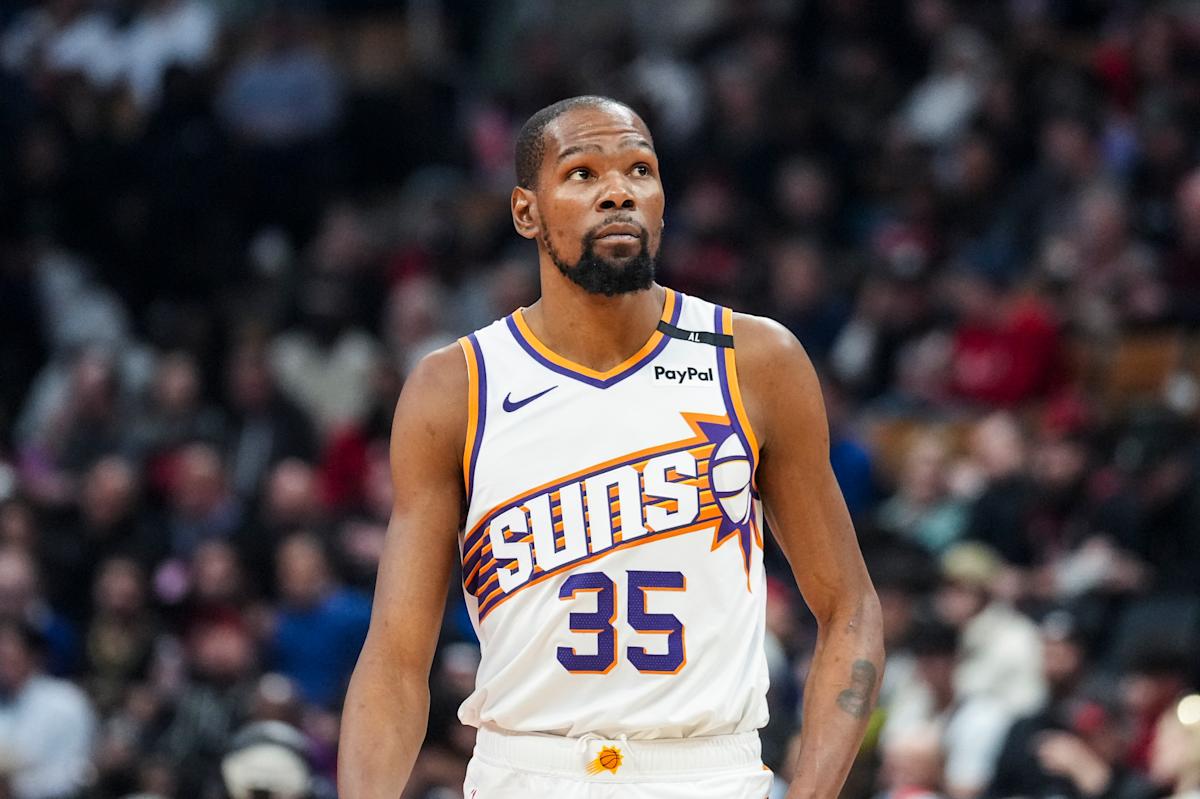
Kevin Durant, the eighth-leading scorer in NBA history, has long been considered the league’s most plug-and-play superstar. From his days with the Oklahoma City Thunder to his championship runs with the Golden State Warriors and his more recent stints with the Brooklyn Nets and Phoenix Suns, Durant has consistently demonstrated his ability to produce near 30 points per game with impressive 50/40/90 shooting splits. However, as his career has progressed, it has become evident that integrating Durant into any team is not as straightforward as it once seemed. Superstars like Durant come with their own set of demands, and these demands often seem to arise spontaneously, complicating the planning and execution of team strategies.
A Career of Uncertainty
Unlike LeBron James, whose career moves have felt deliberate and well-planned, Durant’s journey has seemed more random and impulsive. James’ strategic decisions, such as joining the Miami Heat, returning to Cleveland, and eventually moving to Los Angeles, were driven by a clear set of goals and considerations. Each move was designed to maximize his potential, both on the court and off, and to cement his legacy. Durant, on the other hand, has often made his moves based on personal whims and the influence of close friends. After the 2016 NBA Finals, a phone call from Draymond Green led him to leave the Thunder for the Warriors, who had just defeated his team in the Western Conference finals. In Brooklyn, he joined forces with Kyrie Irving and later sought to bring in James Harden. When the dynamic between his teammates soured, Durant moved to Phoenix and even requested the addition of Bradley Beal to the Suns’ roster.
A Season of Disappointment
The current situation in Phoenix adds another layer of complexity to Durant’s career. The Suns, who were once considered a contender, have been performing disappointingly this season, and their recent loss has left both fans and players feeling disheartened. According to Durant, the team "embarrassed the fans" and "embarrassed ourselves" in their most recent game. ESPN’s Shams Charania reported that unless the Suns can make a significant run in the playoffs, there will be "real changes" this summer, starting with Durant. Given the team’s current standing, it seems increasingly likely that Durant will be on the move again.
The Role of Fortune and Misfortune
The contrast between Durant and James may be more a matter of fortune than anything else. James’ two titles with the Miami Heat could easily have matched Durant’s championships with the Warriors if the Warriors had not squandered a 3-1 lead to the Cavaliers in 2016. Similarly, if the COVID-19 pandemic had not provided the Los Angeles Lakers with extra preparation time in the bubble, James’ success might look quite different. On the other hand, if Durant’s Brooklyn Nets had remained healthy in 2021, they might have dethroned the Milwaukee Bucks and altered the trajectory of Durant’s career. Instead, Durant’s stops have often been marked by turmoil and dissatisfaction, leading to questions about his role in these outcomes.
A Pattern of Malaise
Each of Durant’s tenures has been marred by malaise. In Oklahoma City, he left the Thunder amid public disputes with his coach and teammates. At Golden State, his relationship with Draymond Green became strained, leading to a contentious exit. In Brooklyn, the friendship-based team dynamic imploded as Harden and Irving struggled to coexist. Now, in Phoenix, reports suggest that the team is profoundly unhappy. Winning, as they say, changes everything, and Durant’s recent lack of success has only reinforced the narrative that his career moves have not always been conducive to sustained success. In the six seasons since he left the Warriors, Durant has been swept from the playoffs twice and won a series just as often, a far cry from the dominance he once knew.
A Chance to Rewrite the Script
At 36 years old, Durant has one year left on his contract with the Suns, and the summer of 2023 is shaping up to be a pivotal moment in his career. His decision to decline a potential trade back to the Warriors at the recent trade deadline suggests that he may be taking a more deliberate approach to his future. Durant is still averaging 26.7 points per game with exceptional shooting efficiency, and he has the opportunity to choose his next destination carefully. Will he join another friend in pursuit of the basketball bliss he seeks, or will he take the lead and transform a struggling franchise like the Houston Rockets into a formidable contender? The choice he makes could either confirm the pattern of his career or break it, potentially rewriting the narrative that has defined his journey thus far. Whether he is seen as the league’s most adaptable superstar or its most complicated, Durant’s next move will undoubtedly be watched with great interest and scrutiny.