
A Season on Hold: Wembanyama’s Blood Clot Diagnosis
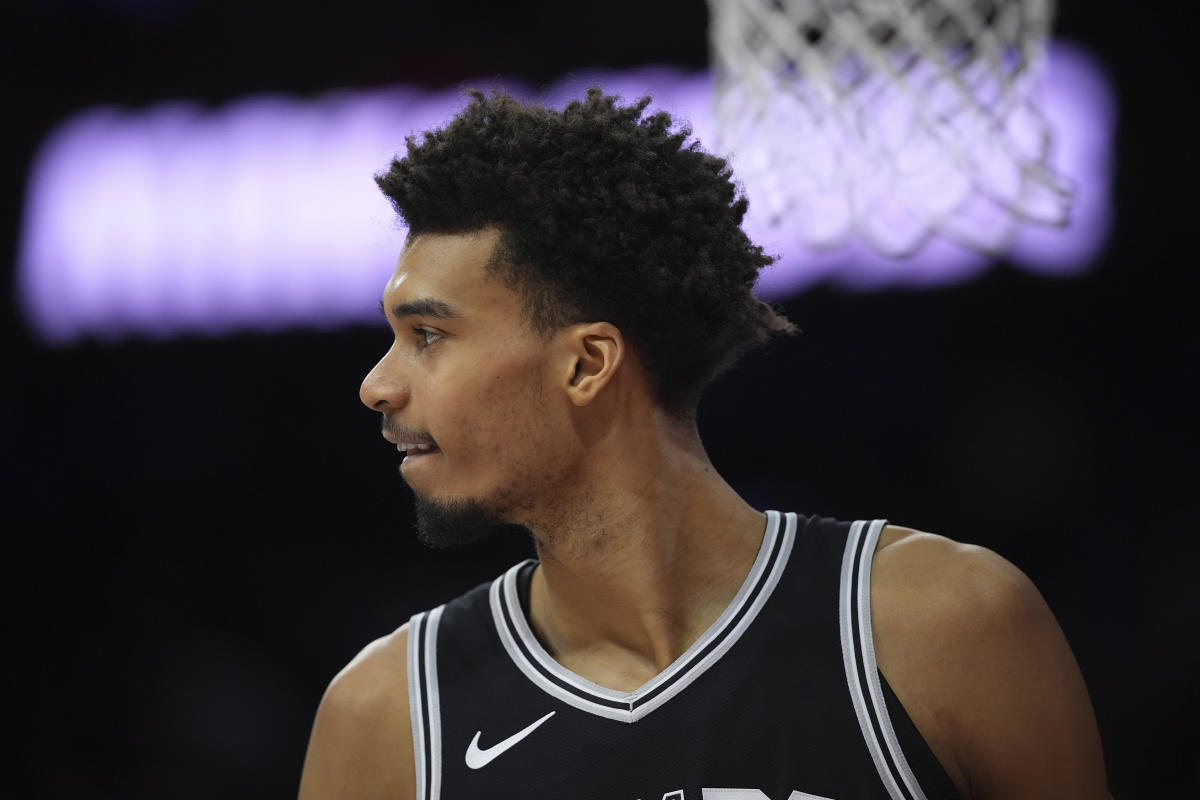
The basketball world was stunned on Thursday when the San Antonio Spurs announced that Victor Wembanyama, the 7-foot-5 sensation, would be sidelined for the remainder of the 2024-25 season due to a deep vein thrombosis (DVT) in his right shoulder. At just 21 years old, Wembanyama has already made a significant impact, earning his first All-Star appearance over the weekend in San Francisco. He has been a dominant force on the court, leading the league in blocks with an astounding 74 rejections. His absence is a massive blow to the Spurs, who had just bolstered their roster with the addition of one-time All-Star guard De’Aaron Fox at the trade deadline, aiming to make a playoff push. The diagnosis is not only scary for Wembanyama but also a critical setback for a team that was beginning to build momentum.
Travel Fatigue and Health Risks
The Spurs’ travel schedule this season has been particularly grueling, covering an impressive 37,852 miles by the All-Star break, according to Positive Residual schedule analysis. This figure ranks them as the most traveled team in the NBA, nearly 80 percent higher than teams like the Charlotte Hornets and Detroit Pistons. The extensive travel has been a concern for the team, especially when it comes to the health of their players. The timing of Wembanyama’s diagnosis is eerily similar to that of Chris Bosh, who experienced blood clots around the All-Star break in February 2015 and 2016, ultimately forcing him to end his career at the age of 31. Bosh, who stands 6-foot-11, attributed his condition to the long periods of immobility during flights, a common issue for tall athletes.
Key Differences and Medical Insights
However, there is a crucial difference between Bosh’s and Wembanyama’s conditions. Bosh’s blood clots were found in his legs, where they can easily travel to the lungs and cause life-threatening embolisms. Wembanyama’s clot, on the other hand, is located in his right shoulder. Dr. Brian Sutterer, a renowned sports injury specialist, suggests that Wembanyama’s condition is more likely related to his anatomy and the repetitive motions of his overhead actions, such as shooting a basketball. "The most common location for a deep vein thrombosis is the legs, and it’s often related to blood pooling from long-term immobilization like air travel or recovery from surgery," Sutterer explained. "If Wembanyama’s was a clot in the leg, travel could have been a significant factor. But in the arm, his frequent shooting motions and possible thoracic outlet syndrome are more probable causes."
Early Detection and Proactive Measures
Spurs interim head coach Mitch Johnson provided further details on Wembanyama’s condition, stating that the issue began with the player noticing his arm didn’t feel normal. "This started by conversations around Monday," Johnson told the media. "It was our medical staff. They looked into it, and that’s how we got here." Sutterer praised the Spurs’ medical team for their quick and vigilant response. "What’s terrifying about this is that the clot was likely there during the All-Star game and could have moved to the lung and killed him," Sutterer said. "I’m really impressed the Spurs doctors found it in just 24-48 hours." Early detection and prompt treatment are crucial in managing DVT, and the Spurs have demonstrated a high level of professionalism and care in handling Wembanyama’s case.
A Hopeful Outlook: Lessons from Brandon Ingram
While the news is undoubtedly devastating, there is a hopeful precedent in the form of Brandon Ingram. At 21, Ingram also faced a blood clot in his right shoulder while playing for the Los Angeles Lakers. He underwent thoracic outlet decompression surgery to remove a portion of his rib that was compressing the vein and was placed on blood thinners to facilitate proper blood flow. Following his recovery, Ingram was traded to the New Orleans Pelicans, where he made his first All-Star appearance and won the Most Improved Player of the Year award. Since then, Ingram has averaged 23 points, 5.5 rebounds, and 5.2 assists per game without any recurrence of blood clots. This best-case scenario offers a glimmer of hope for Wembanyama and the Spurs, suggesting that with the right treatment and management, Wembanyama can return to the court stronger and healthier.
Height and Health: A Unique Challenge
Wembanyama’s condition is a stark reminder that height, while an asset in basketball, can also present unique health challenges. Studies have shown that taller individuals are at a higher risk for venous thromboembolism (VTE), a condition that includes deep vein thrombosis and pulmonary embolism. At 7-foot-5, Wembanyama is one of the tallest players in the NBA, and his anatomy makes him more susceptible to such issues. Despite this, the Spurs remain optimistic about his recovery and future. While Wembanyama’s season may be over, the focus now shifts to ensuring he receives the best possible care. With the right treatment and attention to detail, there is every reason to believe that the best is still ahead for this young star.