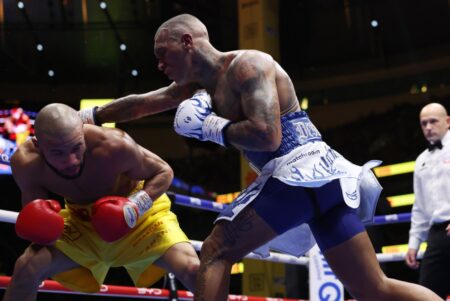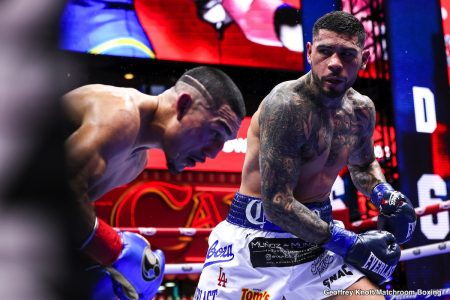

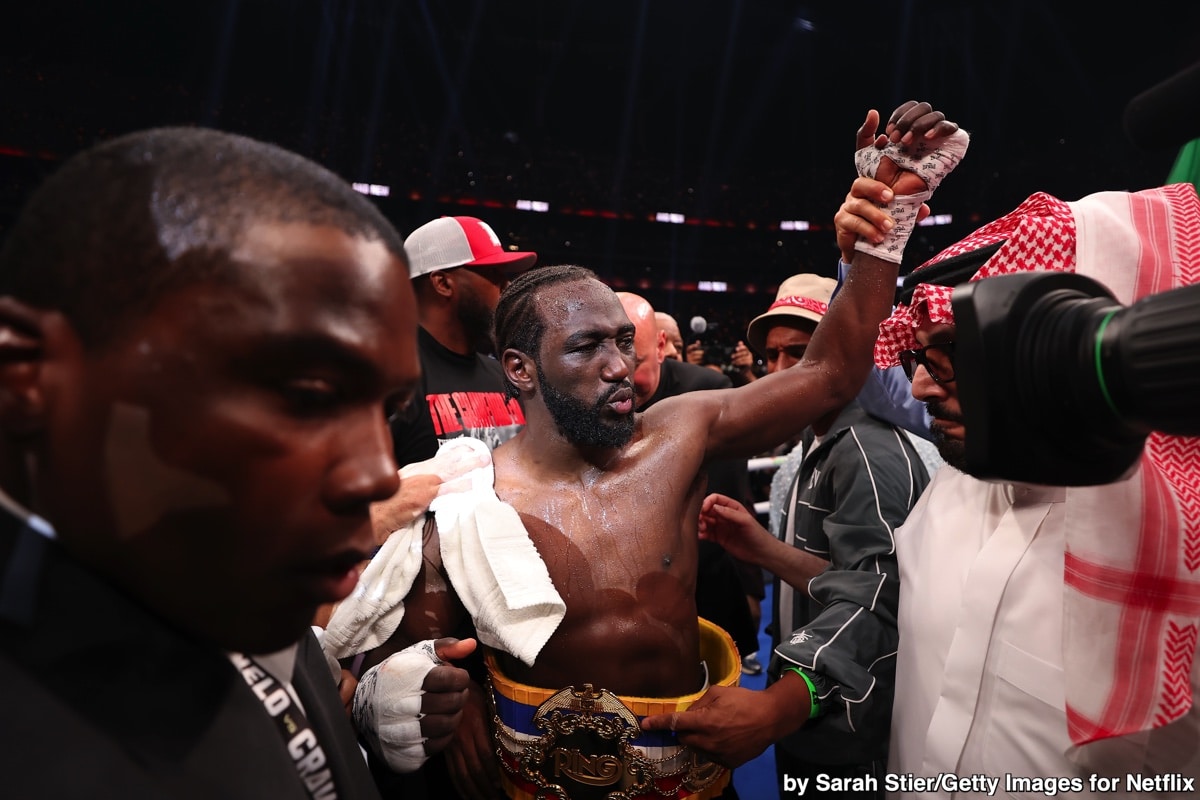
Crawford Loses It
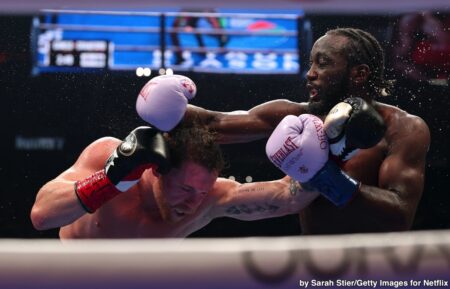
Terence Crawford, one of the most talented boxers of his generation, has exploded in anger after the World Boxing Council (WBC) stripped him of his super middleweight title. The reason? Crawford failed to pay a $300,000 sanctioning fee from the $50 million he earned for his September 13th fight against Canelo Alvarez. In a venomous rant on social media, Crawford laid into the WBC, questioning their motives and their understanding of his financial situation. Despite devaluing the stripped WBC title as a mere “trophy,” Crawford’s reaction suggests the title held more significance to him than he was willing to admit.
A Heated Rant
Sounding like he was carrying a chip on his shoulder, Crawford’s tirade was a mix of frustration and indignation. He accused WBC president Mauricio Sulaiman of speculating about his earnings, saying, “You don’t know how much I made. You speculate.” Crawford also suggested that Sulaiman was biased, stating that he was “mad I beat Canelo.” The boxer was particularly peeved about the WBC’s handling of the sanctioning fee, which he felt was unfair. He insisted that if the WBC had accepted the amount he was willing to pay, this issue could have been avoided. Crawford’s anger is palpable, and his comments reveal a deep-seated mistrust of the WBC and its leadership.
Fee Math Crawford Hated
The crux of Crawford’s argument is the calculation of the sanctioning fee. The WBC has a set formula for determining these fees, but Crawford believed it was unjustly applied in his case. He argued that the WBC should have accepted a smaller fee, especially given the unprecedented nature of his $50 million payday. If Turki Alalshikh, the promoter, indeed paid Crawford this amount, it’s understandable why the WBC would stick to their formula. However, Crawford’s point about transparency in earnings is valid. If he had been more open about his actual earnings, there might have been room for negotiation. Instead, the WBC stuck to their guns, and Crawford lost his title.
Special Treatment?
The situation raises questions about special treatment in boxing. Why should Crawford be given different rules when it comes to sanctioning fees? This question is particularly pertinent given Crawford’s recent jump to the super middleweight division. He bypassed the traditional route of fighting his way up the 168-pound division, instead securing a direct shot at Canelo Alvarez’s undisputed title. This move was highly controversial, as it undermined the hard work of contenders who had been patiently waiting for their shot. Does Crawford feel entitled to such treatment, or is it a reflection of his status in the sport?
168’s Forgotten Contenders
While Crawford’s direct shot at Canelo Alvarez may have been a publicity coup, it left many deserving contenders feeling shortchanged. Fighters like Osleys Iglesias, Christian Mbilli, Lester Martinez, Diego Pacheco, and Hamzah Sheeraz had been putting in the work, climbing the ranks, and waiting for their chance at the title. Crawford’s jump to the front of the line not only sidelined these contenders but also cast a shadow over the integrity of the division. If Turki Alalshikh had insisted on Crawford earning his shot by competing in the 168-pound division, it might have been a more equitable solution for all involved.
A Complex Issue
Terence Crawford’s outburst is more than just a reaction to losing a title. It’s a reflection of the complex and often opaque world of professional boxing. The sport is rife with behind-the-scenes negotiations, financial discrepancies, and power imbalances that can make or break careers. While Crawford’s frustration is understandable, his actions and words also highlight the need for greater transparency and fairness in the way titles are managed and sanctioned. As the dust settles, both Crawford and the WBC will need to find a way to move forward, ensuring that such issues do not undermine the future of the sport.