
Gervonta Davis’ Blunt Assessment
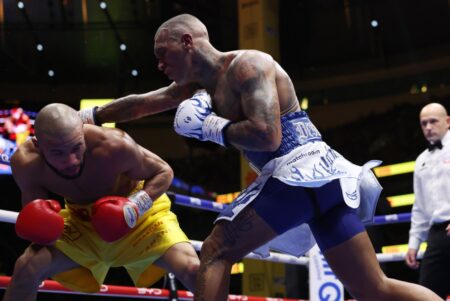
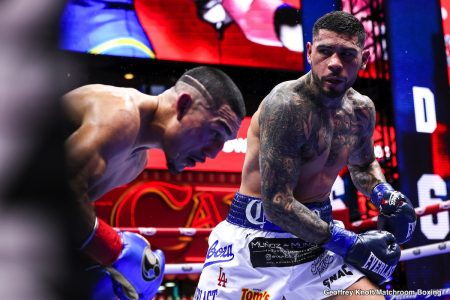
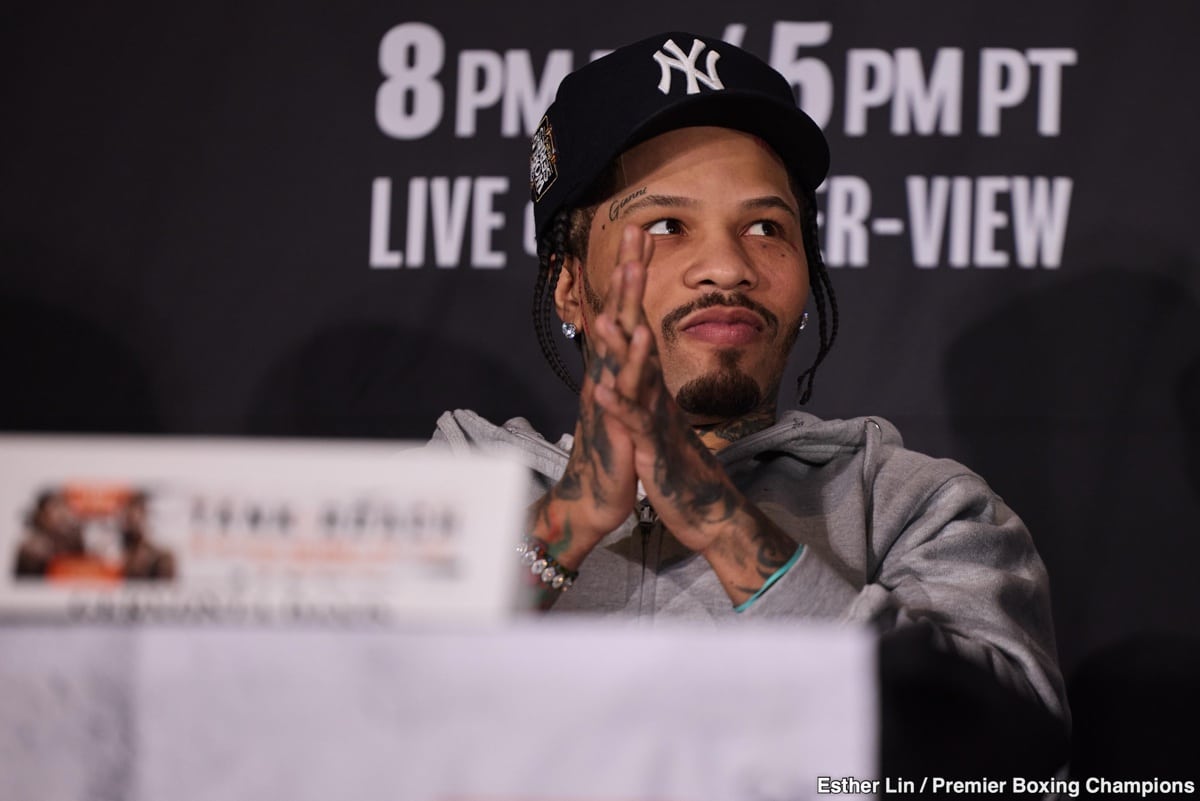
Gervonta "Tank" Davis has been outspoken about his thoughts on Shakur Stevenson and the direction his career is taking under the guidance of promoter Eddie Hearn. Davis suggested that Hearn is rushing Stevenson into high-profile bouts to capitalize on his current marketability while he still can. This rush, he believes, is driven by the perception that Stevenson’s fights are becoming increasingly dull and that Hearn wants to cash out before Stevenson’s star fades. Davis pointed out that Stevenson, who has an unblemished record of 23-0 with 11 knockouts, hasn’t faced significant competition since moving up to the lightweight division (135 lbs). His recent victories, particularly against Josh Padley and the upcoming fight against William Zepeda, are seen by Davis as carefully orchestrated to protect Stevenson’s undefeated status rather than to test his mettle against tougher opponents.
The Promotional Rush
Eddie Hearn’s approach to promoting Stevenson has drawn criticism from Davis, who sees a pattern similar to how Hearn handled Edgar Berlanga. After signing Berlanga, Hearn paired him with two relatively easy opponents, Jason Quigely and Padraig McCrory, before pushing for a marquee fight against Canelo Alvarez. This strategy, according to Davis, is designed to build a fighter’s profile quickly while minimizing the risk of a loss. In Stevenson’s case, the promoter has arranged fights against less formidable opponents like Padley and Zepeda, who struggled in his last bout against Tevin Farmer. Davis is skeptical of Hearn’s intentions, suggesting that these fights are intended to keep Stevenson’s record intact until a bigger paycheck can be secured, such as a bout with Davis himself.
Questioning Stevenson’s Skills
Davis is not just criticizing the promotional strategy but also questioning Stevenson’s abilities as a fighter. He pointed out that after Stevenson’s ninth-round knockout of Padley, Padley’s face appeared unmarked, as if he hadn’t been in a fight at all. This observation, Davis argues, highlights Stevenson’s lack of punching power and his inability to make a significant impact on his opponents. Davis is confident that Stevenson’s skills are being overhyped, and he believes that fighters and promoters are eager to see Stevenson face a tougher test. “Why ain’t they been making these fights happen? These guys are looking regular, bro. What skills?” Davis posed, emphasizing his belief that Stevenson’s recent opponents have not been challenging enough.
Stevenson’s Fragility and Marketability
For Davis, the evidence of Stevenson’s limitations goes beyond just his punching power. He also sees Stevenson as physically fragile and lacking the robustness needed to compete at the upper echelons of the lightweight division. Davis believes that Stevenson’s undefeated record is a result of strategic matchmaking rather than genuine skill. The fighters Stevenson has faced at 135 lbs, including Padley, Artem Harutyunyan, Edwin De Los Santos, and Shuichiro Yoshino, have not provided the level of challenge that would truly test Stevenson’s abilities. Davis’ assertion is that Stevenson is on borrowed time at lightweight and that his promoters are desperate to secure top-dollar fights before his limitations are exposed.
Davis’s Retirement Plans and Promotional Pressure
Davis’s talk of retirement has added urgency to Stevenson’s promoters’ efforts to secure a high-profile fight with him. He noted that his frequent mentions of stepping away from the sport have made promoters like Hearn particularly anxious to arrange a bout with Stevenson. “They hear me saying I’m retiring, so they’re all screaming my name,” Davis said. This dynamic has led to a situation where Stevenson’s promoters are pushing for a fight with Davis, hoping to capitalize on the moment before it’s too late. Davis’s criticism is not just about Stevenson’s skills but also about the broader promotional landscape in boxing, where the focus often shifts from competitive matchups to financially lucrative ones, sometimes at the expense of the sport’s integrity.
Skepticism Towards Saudi Events
In a broader critique, Davis also expressed his reservations about fighting in Saudi Arabia, where Stevenson’s recent bout with Padley took place. He was particularly critical of Turki Alalshikh, the promoter behind the event, saying, “I don’t like how this guy is coming into the game, and he doesn’t know anything about the sport.” Davis questioned Alalshikh’s ability to select appropriate opponents and criticized his overconfident approach to promoting events. Despite the substantial financial incentives offered by Saudi promotions, Davis maintains that “all money isn’t good money,” signaling his unwillingness to compromise his career or the integrity of his fights for the sake of a large payday. This stance underscores Davis’s commitment to competing in meaningful bouts and his skepticism of events that prioritize financial gain over competitive integrity.