
Shakur Stevenson’s Strategic Decision
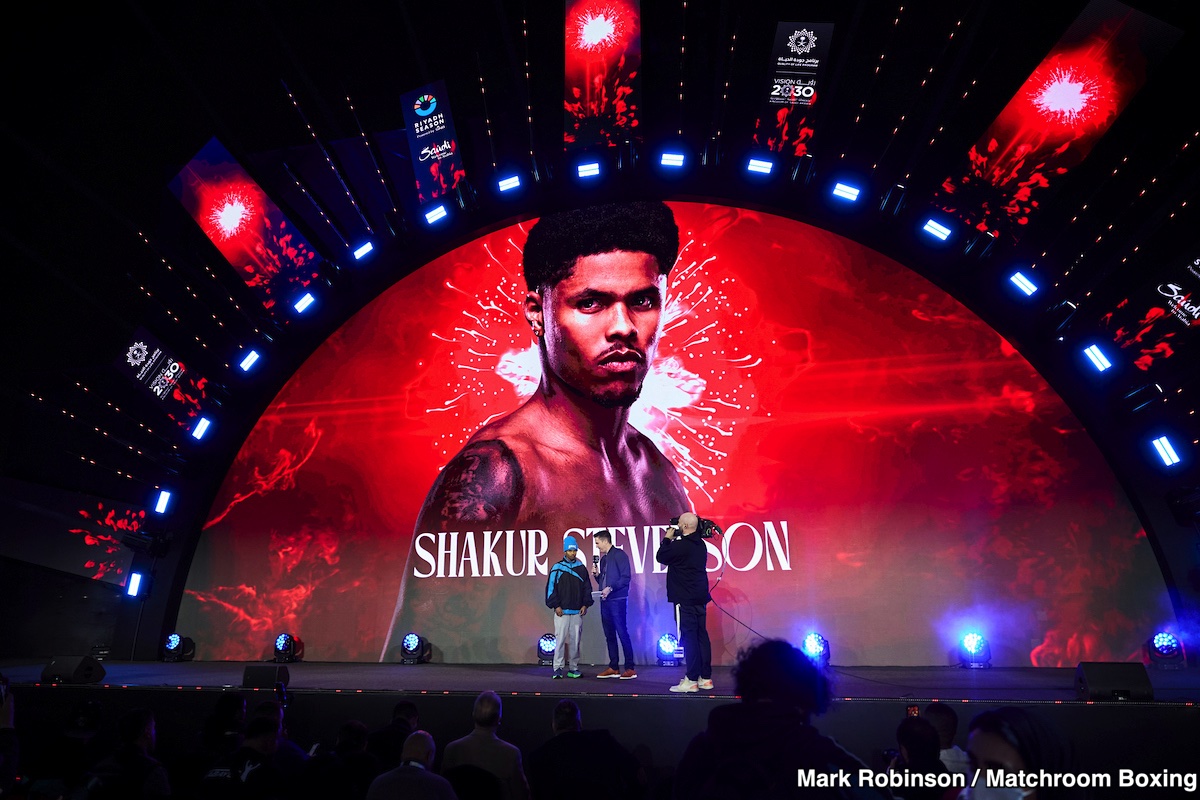
On February 22nd, WBC lightweight champion Shakur Stevenson will defend his title in a highly anticipated bout. However, the opponent he will face has surprised many in the boxing world. British fighter Josh Padley (15-0, 4 KOs) has been chosen to replace the originally scheduled opponent, Cuban phenom Jadier Herrera. This decision, announced by Turki Alalashikh, has sparked discussions about Stevenson’s strategy and the future of his career.
Josh Padley, currently ranked 10th by the WBC, is a 29-year-old domestic-level fighter with a clean record but limited experience. His lack of power and slower hand speed make him a far less challenging opponent than the initially proposed Jadier Herrera. While Padley offers a safe and manageable option, this selection has raised eyebrows, particularly given the high-profile nature of the event, which is part of the undercard of the Artur Beterbiev vs. Dmitry Bivol 2 rematch at the Kingdom Arena in Riyadh, Saudi Arabia.
The Business of Boxing
The choice of Padley over Herrera is a clear indication of strategic business decisions being prioritized. Stevenson, with a record of 22-0 and 10 KOs, is managed by the shrewd promoter Eddie Hearn of Matchroom Boxing. Hearn’s primary goal is to position Stevenson for a lucrative mega-fight with Gervonta Davis, a bout that could bring in substantial financial rewards. To achieve this, Stevenson needs to not only win his upcoming fights but also look dominant and invincible.
Hearn’s decision to go with Padley is a calculated move to ensure Stevenson shines. A win against Padley, even if it is a relatively easy one, can bolster Stevenson’s reputation and make him a more attractive opponent for Davis. The risk of facing a dangerous fighter like Herrera, who possesses one-punch power on par with Davis, is not worth the potential setback. A loss or even a close win against Herrera could jeopardize the lucrative Davis fight, which is the ultimate prize for Stevenson and his team.
The Safe Bet: Josh Padley
Josh Padley, while undefeated, is not considered a world-class fighter. His lack of power and hand speed make him an ideal opponent for Stevenson to demonstrate his skills and potentially secure a rare knockout. This kind of showcase fight is crucial for Stevenson, as it can enhance his appeal for future high-stakes matches.
The decision to go with Padley is not only a reflection of Stevenson’s and Hearn’s strategic thinking but also a nod to the realities of the boxing business. The goal is to create a narrative of invincibility and dominance, which can be better achieved with a less formidable opponent. Stevenson’s recent fights against Artem Harutyunyan and Shuichiro Yoshino have followed a similar pattern, where he faced less challenging opponents and performed well, reaffirming his status as a top contender.
Jadier Herrera: The Road Not Taken
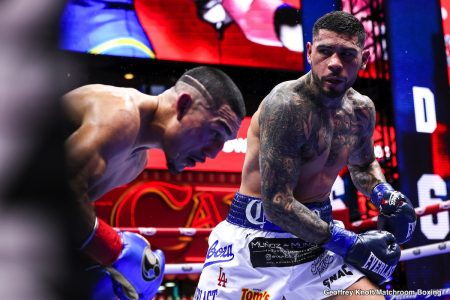
Jadier Herrera, the alternative opponent, presents a vastly different scenario. A Cuban phenom with explosive power, Herrera is known for his one-punch knockout ability, making him a dangerous opponent for any fighter. His power and aggression could have made for a more exciting and challenging fight, but they also pose significant risks. A loss or even a competitive win against Herrera could damage Stevenson’s momentum and make the Davis fight less attractive.
Hearn’s decision to avoid Herrera is understandable from a business perspective. The potential financial rewards from a Stevenson vs. Davis fight far outweigh the risks of facing a more dangerous opponent. Rebuilding Stevenson’s reputation after a significant setback would be a costly and time-consuming endeavor, one that Hearn is likely trying to avoid.
The Event Context
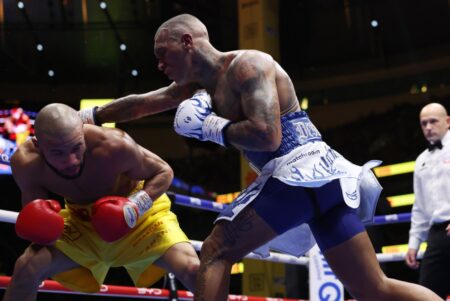
The event in Riyadh, featuring the Beterbiev vs. Bivol 2 rematch, is a high-profile affair. The inclusion of Stevenson’s bout on the undercard adds to the excitement, but the decision to go with Padley has raised questions about the quality of the fight. Despite the mismatch, the Stevenson-Padley bout is still a part of the main card, though it may be moved to a lower slot due to the disparity in skill levels.
The decision to include this fight on such a significant card has been met with mixed reactions. Some fans and analysts have criticized the choice, arguing that it diminishes the prestige of the event. Others see it as a smart business move that ensures Stevenson’s continued rise in the lightweight division.
Looking Forward
As Stevenson prepares to face Josh Padley, the focus remains on the bigger picture. A dominant win against Padley could set the stage for more high-profile bouts, including the coveted fight with Gervonta Davis. The boxing world will be watching closely to see how Stevenson performs and whether he can build the momentum needed to secure the fight of his dreams.
The choice of Padley over Herrera is a testament to the strategic and often cautious nature of boxing promotions. While the path to glory is often paved with calculated risks, the ultimate goal is to secure the biggest and most lucrative fights. Stevenson and his team are taking that path, and the results on February 22nd will be a crucial step in their journey.