
Tim Bradley Predicts Lopez to Target Stevenson’s Body
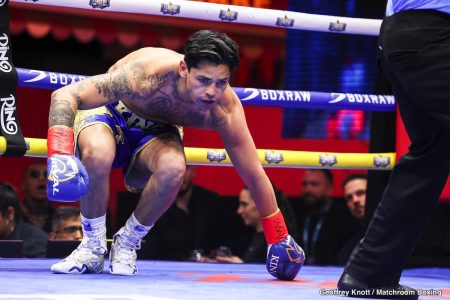
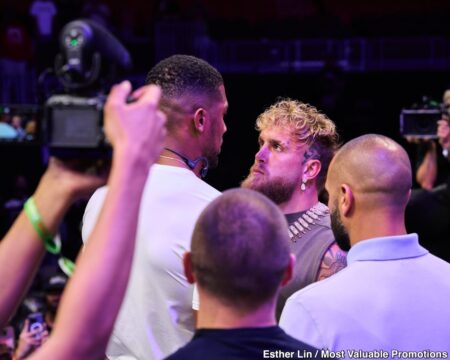
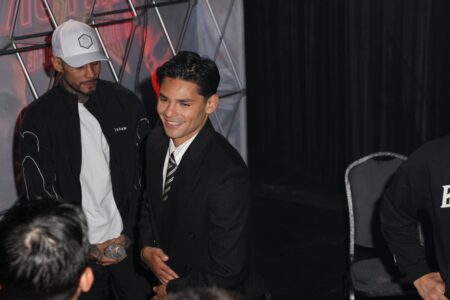
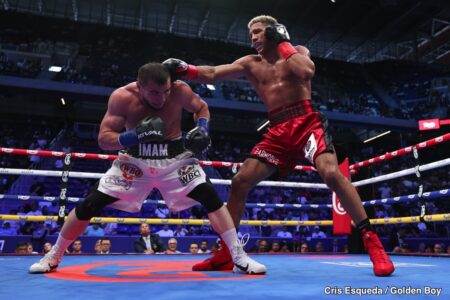
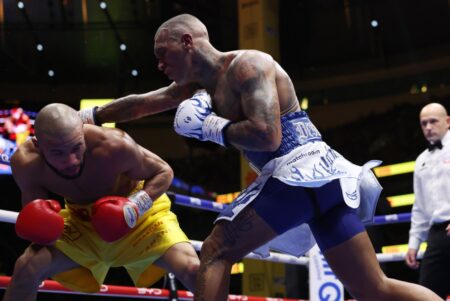
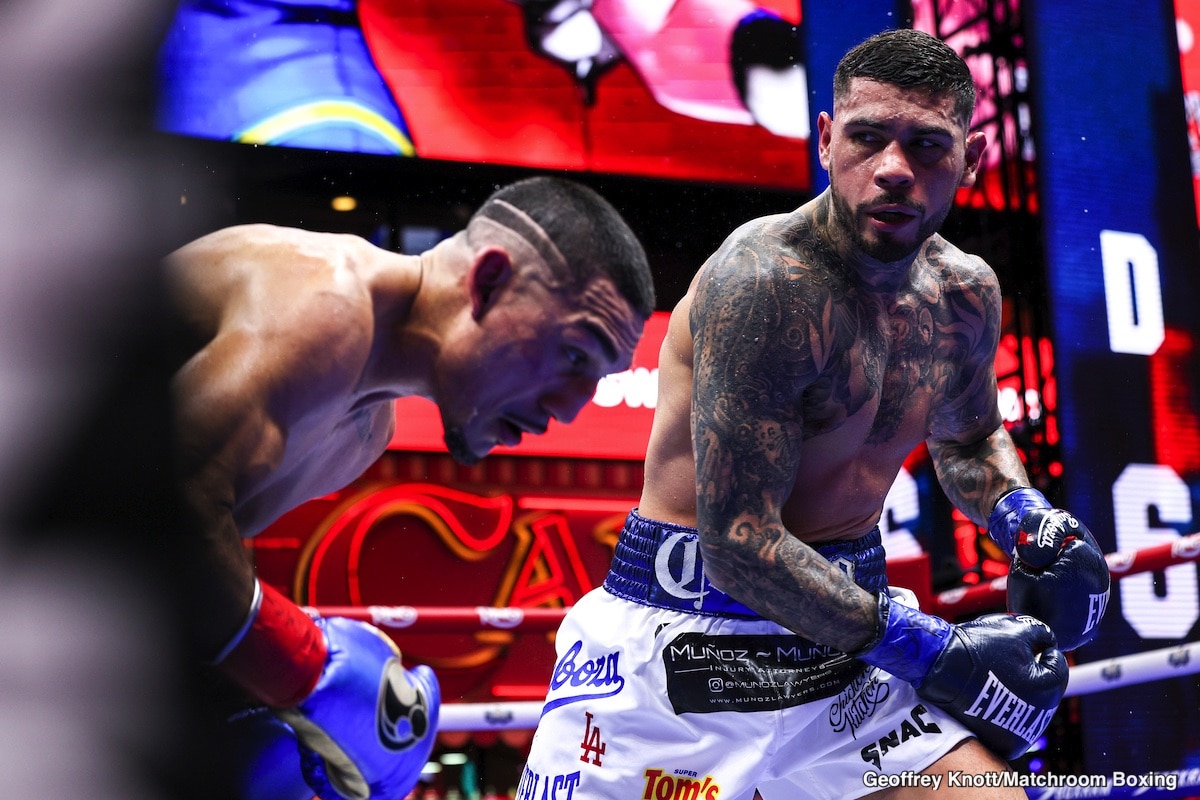
Tim Bradley, a seasoned boxing analyst and former world champion, has offered his insights on the highly anticipated fight between Teofimo Lopez and Shakur Stevenson, set to take place on January 31, 2026. Bradley, known for his astute analysis of fighters and their strategies, believes that Lopez will focus on Stevenson’s body during the bout. He points out that Stevenson, who is known for his “fencing” style, tends to stand directly in front of his opponents, making him vulnerable to body shots. Bradley’s observations are based on a detailed review of Stevenson’s past fights, where he noted that Stevenson prefers a defensive, risk-averse approach.
The Aggressive Approach of Teofimo Lopez
Bradley emphasizes that Lopez’s aggressive style will be a significant factor in the fight. “The optics, the way it looks when it’s coming forward, whether on the shoulders, chest, it don’t matter,” Bradley explained, highlighting how Lopez’s relentless pressure could give Stevenson problems. However, Bradley also cautions that this pressure alone might not be enough for Lopez to win rounds. If the judges are primarily focused on clean, head shots, they might favor Stevenson. To counter this, Lopez will need to ensure that his body shots connect cleanly and also land enough head shots to sway the judges. The emphasis on head shots is crucial, as many judges tend to give more weight to them in their scoring.
Shakur Stevenson’s Defensive Style
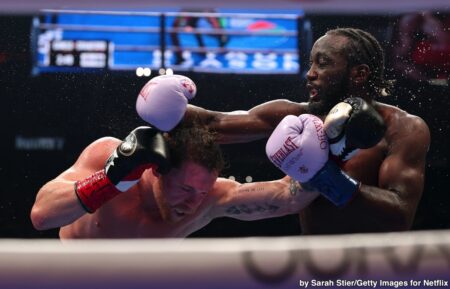
Stevenson’s “fencing” style is characterized by his tendency to stand directly in front of his opponents, much like a fencer would. This defensive stance can be both a strength and a weakness. While it allows him to protect his head, it also exposes his body to attacks. In his last fight against William Zepeda on July 12, Stevenson was hit repeatedly to the body. Despite this, the judges seemed to overlook the body shots and scored the fight heavily in Stevenson’s favor, 118-110, 118-110, and 119-109. Stevenson spent much of the fight with his back against the ropes, leaning over the top to protect his head, which gave Zepeda free rein to land body shots.
The Importance of Body Shots in Scoring
If the same judges who scored the Stevenson-Zepeda fight are on duty for the Lopez-Stevenson bout, Lopez may need to reconsider his strategy. Bradley suggests that body shots might not be factored into the scoring, and therefore, Lopez should focus more on landing clean, head shots. This is a critical point, as judges often prioritize head shots over body shots, which can significantly influence the outcome of the fight. Lopez’s ability to adapt and land effective head shots will be crucial in convincing the judges to score in his favor.
Teofimo Lopez: A Risk-Taker and Contortionist
Bradley also noted that Lopez is a risk-taker, capable of contorting his body to generate offensive opportunities. This agility and willingness to take risks set him apart from Stevenson, who is more defense-oriented. “Shakur has to be safe because he’s a defensive-first type of fighter, and Shakur won’t employ any offense unless he truly feels he’s going to land,” Bradley explained. This contrast in fighting styles could create a dynamic and unpredictable match, where Lopez’s aggression and Stevenson’s defense clash in a way that keeps fans on the edge of their seats.
The Impact of Judgment and Strategy
Ken Woods, a senior writer at Boxing News 24, has been covering the sport since 2013 and offers a broader perspective on the fight. Woods emphasizes that the success of Lopez’s strategy will depend heavily on the judges and their interpretation of the action. If the judges focus on clean, head shots, Lopez will need to adjust his approach to ensure he lands those shots effectively. The fight promises to be a clash of styles, with Lopez’s aggressive, risk-taking approach against Stevenson’s methodical, defensive tactics. The winner will likely be determined by who can better adapt to the judges’ scoring criteria and execute their strategy effectively.