
The Root of Pakistan’s Champions Trophy Woes: Inexperience
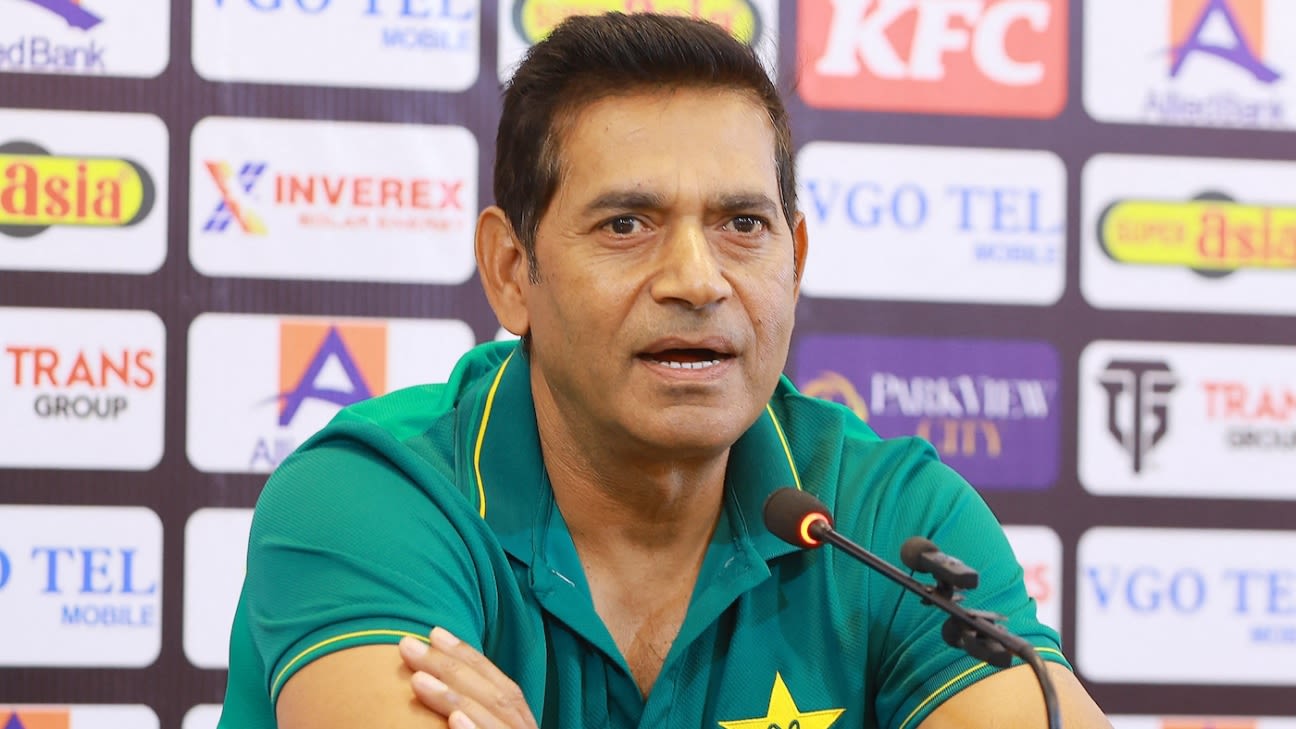
When dissecting Pakistan’s early exit from the Champions Trophy, it’s hard to ignore the glaring issue of inexperience. White-ball head coach Aaqib Javed highlighted this as the primary reason for the team’s struggles in the tournament. Despite having one more match against Bangladesh, which is also under threat due to the rainy weather in Rawalpindi, the damage has already been done. Pakistan, like Bangladesh, has already been eliminated from contention for the semi-finals.
A Comparative Look at Team Experience
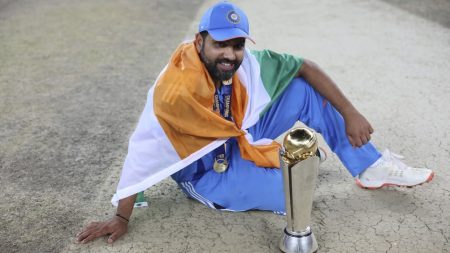
Javed delved into the stark differences in experience levels between Pakistan and their opponents, particularly India. "When Pakistan and India play, it’s not just about cricket; it’s more than that. You need a lot of experience," Javed emphasized. The Indian team, with an average of around 1500 games together, stands as one of the most experienced in international cricket. In stark contrast, Pakistan’s team has played less than 400 games together. The disparity is evident when looking at individual players: while Babar Azam has over 100 ODIs, followed by Mohammad Rizwan with 88 and Shaheen Afridi with 64, the majority of the team has fewer than 30 ODIs under their belt. Tayyab Tahir, for instance, has played only eight games. Imam-ul-Haq, with 73 ODIs, was returning to the team, but his experience alone was not enough to compensate for the overall lack of depth.
Impact of Key Player Absences
Adding to the team’s challenges were the absences of key players. Fakhar Zaman, one of Pakistan’s most aggressive batters and a standout performer during the 2017 Champions Trophy, was ruled out in the first game. Saim Ayub, who had scored 235 runs and taken two wickets in the 3-0 ODI series against South Africa in December, was also missing with an ankle injury. The selection committee had to bring in Khushdil Shah to fill the void left by Ayub. "When Saim was there, he used to bat at the top and bowl five to seven overs. When he was not there, we saw that even with the terrific performances that Khushdil Shah has given in one-and-a-half years of cricket, his wickets…there’s no comparison," Javed explained. The absence of these experienced and dynamic players left a significant gap in the team’s structure and performance.
The Burden on the Big Five
With the team’s depth compromised, the responsibility fell heavily on the so-called "big five": Babar Azam, Mohammad Rizwan, Haris Rauf, Naseem Shah, and Shaheen Afridi. These players were expected to deliver match-winning performances, but they fell short. "In the absence of these players, it was down to the big five to step up, but match-winning performances from these players never came," Javed lamented. The criticism directed at these players, especially Babar Azam and Rizwan, has been intense back home in Pakistan, where the public and media are quick to seek scapegoats for the team’s failures.
The Selection Committee’s Dilemma
Javed defended the selection committee’s decisions, emphasizing the difficulties in assembling the best possible team given the circumstances. "Our plan was to make the best possible 11 or 15. There is no doubt that Shaheen, Naseem, and Haris are excellent bowlers. If you compare them with the bowling attack of any team, they are one of the best fast-bowling options," he stated. However, he acknowledged the challenges of building a team around such inexperience. "And if you look at Babar – apart from him, what other options do you have? We always say that if the team loses, change the team. This is the most inexperienced team already," Javed added. The committee’s task was compounded by the need to balance aggression, consistency, and experience, a challenge that was not fully met.
Moving Forward: A Call for Patience and Development
As Pakistan looks to the future, the need for patience and a focused development plan becomes evident. The team’s inexperience has been exposed, and while it’s easy to blame individual players, the broader issue is the lack of depth in the squad. Javed’s insights provide a clear path forward: investing in young talent, providing them with more opportunities to gain experience, and building a resilient and experienced team for future tournaments. The challenge is significant, but with the right approach, Pakistan can overcome the hurdles and return to the top of the cricketing world.