
Iyer’s Reflective Approach
"Can you just tell me how many overs were left?" Shreyas Iyer asked journalists, right at the top of his press conference. "Forty five balls? Okay." His query seemed a bit surprising, especially in the context of India’s comfortable six-wicket win with more than seven overs to spare. But Iyer’s mindset was clear: if the team could have played more aggressively, they could have wrapped up the game even sooner. Despite his personal contribution of 56 off 67 balls, Iyer felt there was room for improvement in terms of pacing the innings. His introspective approach underscores his commitment to continuous improvement and strategic thinking in high-pressure situations.
Abrar Ahmed’s Challenge
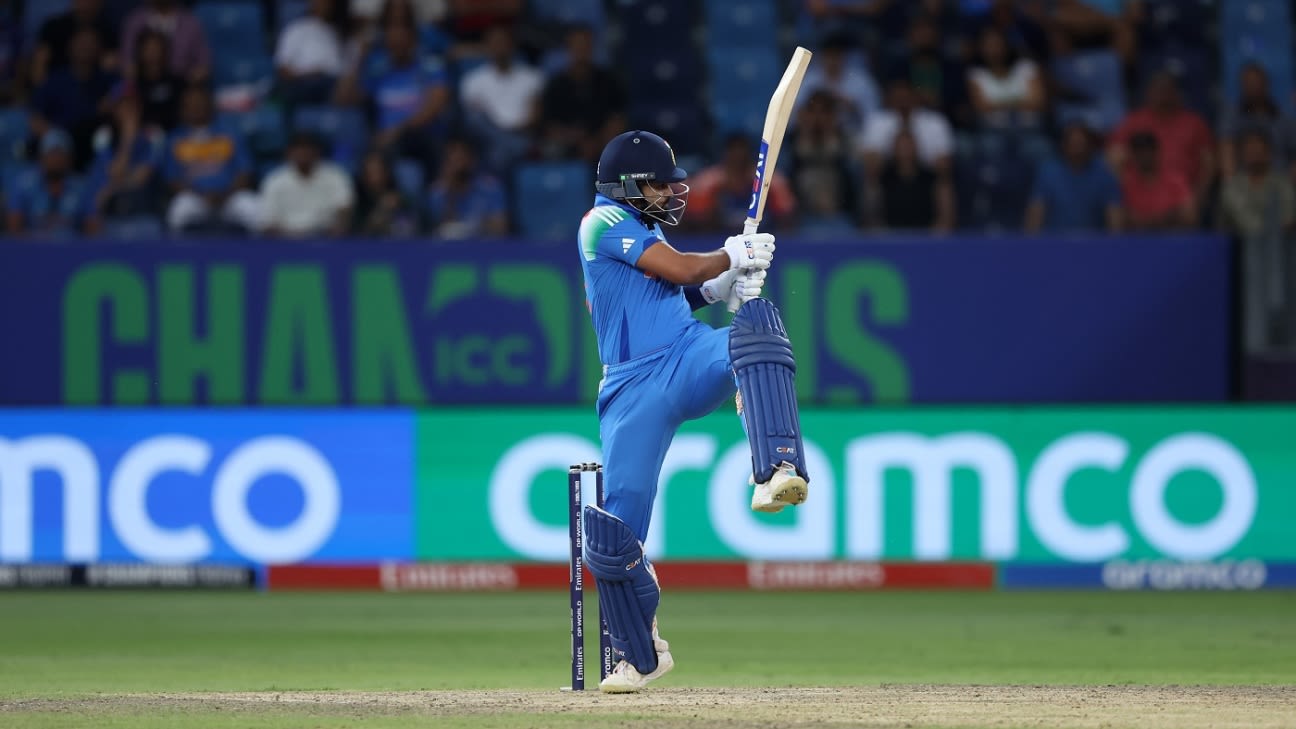
Iyer had some glowing praise for Pakistan’s legspinner, Abrar Ahmed. "I think Abrar bowled brilliantly. It was important and crucial for me to play out that spell and rotate the strike at the same time. It took some time and then once my eyes were set, I thought that sweep and reverse sweep would have been a great option to put them on the back foot. And I think that worked pretty well for me." Abrar’s delivery that dismissed Shubman Gill was particularly noteworthy, showcasing the bowler’s skill and Iyer’s respect for it. Battling against Abrar wasn’t easy, but Iyer’s patience and adaptability were key. "It wasn’t easy to take charge against Abrar. In that particular phase, it was important to take singles as much as possible, and take the team till the end. Once we reach 30 or 40 runs, it is easy to charge on from there."
The Wicket’s Impact
This was the second match India had played at this venue in the Champions Trophy, but the pitch was different from the one they faced against Bangladesh. "As we know, even in the previous game we played over here, the wicket is a bit slow," Iyer observed. "It’s spinner-friendly, of course." The slower pace of the wicket posed a unique challenge, especially against bowlers who took pace off the ball, making Iyer’s innings all the more commendable. The bowlers’ ability to control the game and the experience they brought to the equation added layers of complexity to the chase. "The amalgamation of all their bowlers and the experience they possess brings a lot of clarity to their bowling," Iyer remarked, acknowledging the need for adaptability.
Iyer’s Slow Start
Despite India’s overall dominance, Iyer’s start was somewhat slow, with 12 runs off the first 28 balls he faced. "It’s important to attack, but it’s not easy to go in and straightaway start smashing the ball," he explained. "You need to see the pace of the wicket and how it’s coming on to the bat. If you show that intent every ball, it’s difficult for a batsman, to be honest." Iyer’s approach was methodical, allowing him to read the conditions before launching into his more aggressive shots. This measured start helped him build a solid foundation and maintain composure throughout the innings, even as the pressure to accelerate mounted.
Assessing the Wicket
Iyer’s assessment of the wicket was insightful. "It’s better to take some time, see how it’s coming to you, and let the ball do the talking," he advised. This philosophy emphasizes the importance of patience and observation in cricket, particularly on conditions that favor spin. By taking the time to understand the behavior of the ball, Iyer was able to make more informed decisions about when to attack and when to play defensively. His ability to adjust his game plan on the fly is a testament to his cricketing acumen and experience.
A Balanced Approach
While the win was convincing, Iyer’s reflections highlight the importance of maintaining a balanced approach in cricket. His comments about potentially winning a bit earlier reflect a mindset focused on efficiency and maximizing the team’s resources. In a game where every run and every ball counts, such strategic thinking can be the difference between a good win and a great one. Iyer’s performance, characterized by his patience and adaptability, not only contributed to India’s victory but also sets a positive example for other players in the squad. His willingness to self-assess and strive for improvement is a valuable trait in a leader and a key factor in the team’s success.