
The Big Picture: Familiar Rivals, New Challenges
Both Australia and England find themselves back in the familiar and often fraught territory of a global cricket tournament, this time at the Champions Trophy. In a twist that seems almost inevitable, they are pitted against each other right from the start. Despite the predictably lucrative nature of this clash, it brings with it a palpable sense of rivalry and excitement. Australia, a champion side now somewhat depleted, and England, desperate to reclaim their former glory, are in unique states of flux. The absence of key players like Pat Cummins, Mitchell Starc, and Josh Hazlewood has made Australia’s ODI World Cup-winning squad appear less daunting. This shift in dynamics places greater responsibility on the batting lineup, led by Travis Head’s casual but confident "Ah, we’ll have a go" attitude. Captain Steven Smith, filling in for the injured Cummins and Mitchell Marsh, will have to carefully balance his top seven to find the right mix. Despite the recent 2-0 ODI series loss to Sri Lanka, Australia is not deterred. Similarly, England, despite their crushing 3-0 defeat to India, remains focused and spirits are high, thanks to Brendon McCullum’s positive leadership.
Battling Spirits and New Faces
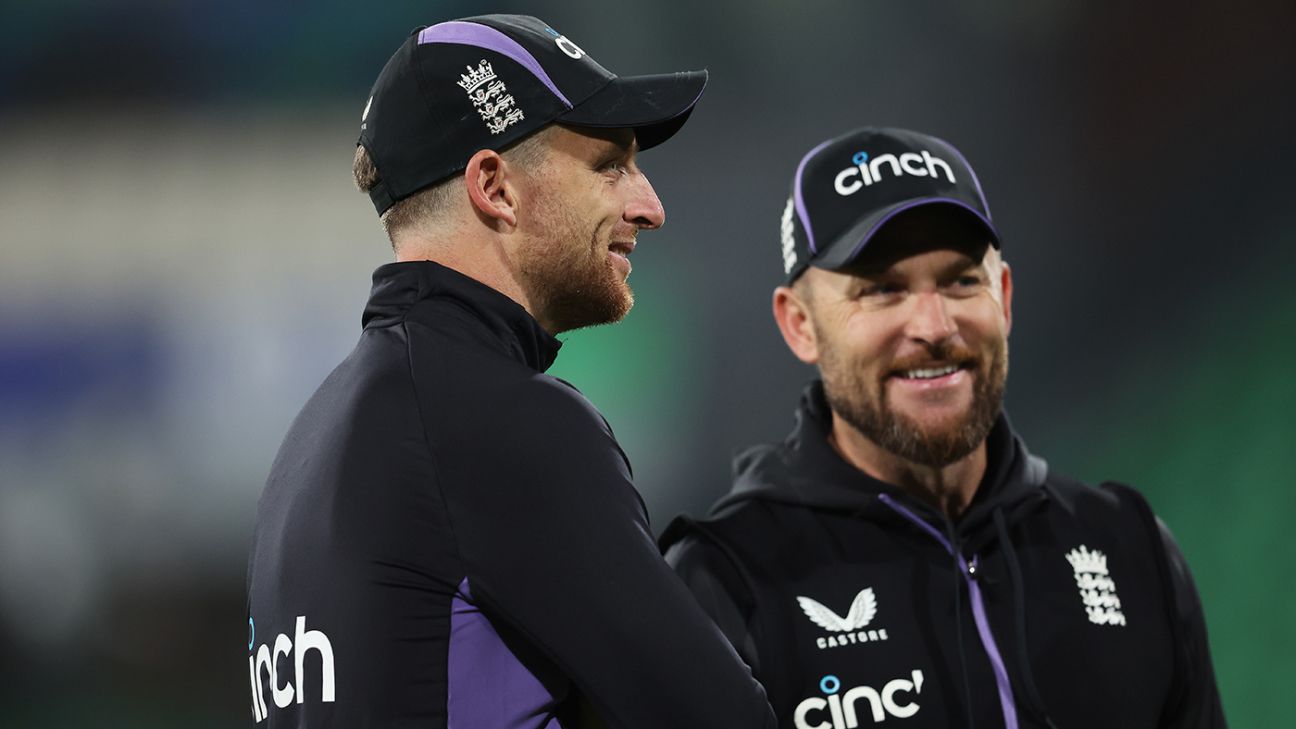
England’s journey to the Champions Trophy has been a rollercoaster, marred by travel fatigue and a string of defeats. However, their break in the UAE has provided a much-needed respite to shed the baggage from their India tour. McCullum’s hands-on approach is essential, as the team still appears uneasy with both bat and ball in the 50-over format. The challenge for McCullum, who has only been in charge for a month, is to make significant technical changes in a short time. The familiar foe, Australia, could be just the tonic to reignite England’s spirit and vigour. For Jos Buttler, the next fortnight will be crucial in determining whether he continues as captain. His promise to smile more, made at the start of the year, feels increasingly optimistic. After missing all of England’s ODIs in 2024 due to a calf injury, Buttler’s return should bolster the team, especially given his strong form in the ODIs earlier this year.
Australia’s Depth and England’s Struggles
Australia’s depth in cricket talent is evident, even with key players missing. Nathan Ellis, Sean Abbott, Spencer Johnson, and Ben Dwarshius are stepping up to fill the gaps left by Cummins, Starc, and Hazlewood. While Abbott has a proven track record, the others have primarily excelled in T20s, making their transition to 50-over cricket a critical test. Australia’s recent series loss to Sri Lanka is a minor setback, but the team is not letting it dampen their spirits. England, on the other hand, has struggled with both form and morale. Their 3-0 defeat to India has been met with criticism, with concerns over training and players’ extracurricular activities. Despite the negative press, the team remains in good spirits, thanks to McCullum’s positive leadership. The Champions Trophy offers a fresh start, and a familiar opponent like Australia could help them refocus and regroup.
Key Players in the Spotlight
In the absence of Mitchell Starc, Spencer Johnson is stepping into a crucial role. At six feet four, he is a formidable left-arm fast bowler with a reputation for delivering in T20s. However, his inexperience in ODIs and the pressure of replacing a player as crucial as Starc will be significant challenges. Johnson’s performance against Sri Lanka, where he took his maiden wickets, is a positive sign, but he will need to step up his game in Pakistan. For England, Harry Brook’s return to form could be pivotal. Despite struggling against spin in India, Brook has a strong track record in the Test format, averaging 84.10 with four hundreds. His leadership skills, demonstrated during the five-match series against Australia last year, could be an asset. Brook’s ability to adapt to the flatter decks in Pakistan will be crucial for England’s success.
Team News and Strategic Decisions
Australia’s lineup is largely dictated by the absences of key players. The pace attack, comprising Nathan Ellis, Spencer Johnson, and potentially Ben Dwarshius, is almost a given. The decision to play Aaron Hardie, following Marcus Stoinis’ retirement from the 50-over format, could see Marnus Labuschagne as an extra batter. Dwarshius’ versatility as a left-arm/left-hand option might give him the edge over Abbott. England’s batting reshuffle is equally significant, with Jamie Smith returning from a calf injury and taking up the wicketkeeping role at No. 3. This move pushes Joe Root down to No. 4, a change that could impact the team’s dynamics. With only four frontline bowlers, Root and Liam Livingstone will need to step up and provide support. The pace of Mark Wood and Jofra Archer, playing his first 50-over tournament since the 2019 World Cup final, will pose a significant challenge to Australia.
Pitch and Conditions: Setting the Stage
The Gaddafi Stadium in Lahore is known for its flat belter pitches, which have recently hosted high-scoring ODIs. New Zealand’s 330 for 6 against Pakistan and their subsequent successful chase of 305 with six wickets and eight balls to spare highlight the conditions. Cooler temperatures, partly due to recent rain, may affect the pitch’s behavior. Dew is rarely a factor at this time of year, providing a relatively consistent playing surface. The historical head-to-head record between Australia and England in the Champions Trophy is closely contested, with England leading 3-2. Glenn Maxwell and Jos Buttler are the only remaining players from the 2013 tournament, adding a layer of continuity to the contest. As both teams prepare for this crucial encounter, the stage is set for a thrilling clash that could define their tournament fortunes.