
Pakistan’s Fight for Survival
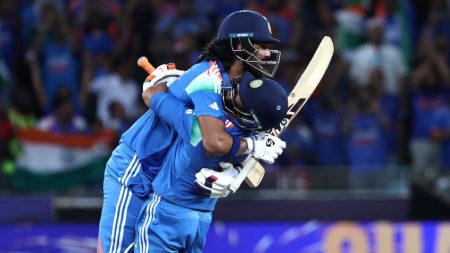
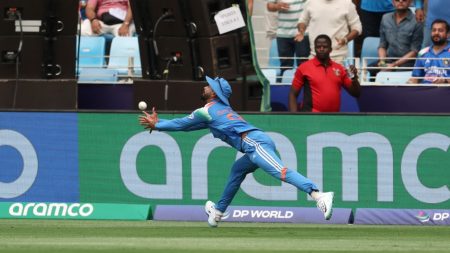
If ever Pakistan needed a miracle, it is now. Not for the cricketers’ fault, they find themselves isolated in international cricket to the extent that the ICC T20 World Cup is the first major ICC event they are hosting in 29 years. Barely three days into the tournament, following a comprehensive defeat against New Zealand, they are already staring at the exit sign of a party they waited three decades to host. Pakistan must now overcome the odds and beat their arch-rivals, India, on a slow, tired track, where India has already played and won one match and has a strong spin attack to choose from. The situation is made even more challenging by the fact that, due to tensions and a lack of diplomatic ties, the Indian team refused to travel to Pakistan, forcing Pakistan to move the venue to Dubai. This isolation and the added pressure of reinstituting their nation’s name in the official broadcast branding only deepen the sense of siege that Pakistan’s team feels.
The Bilateral Dynamics
This creates a peculiar dynamic between the two sets of cricketers. Despite the political and diplomatic machinations, the players respect each other and maintain a level of civility that can be frustrating to those who want the intense rivalry to reflect on the field. This mutual respect and the civility contrast sharply with the broader political tensions. The edge in the rivalry is also influenced by the significant gap between the two sides. Pakistan, once a leader in innovation in Asian cricket, now appears woefully behind the times, especially in limited-overs formats. Conversely, India, once known for steady accumulators but not always winners, has evolved to continuously push the boundaries of the game. In an era where the ICC schedules its tournaments to ensure at least one India-Pakistan match, it is telling that Pakistan has only managed to win in 2017 and 2021 since 2011. This disparity adds another layer of complexity to their upcoming clash.
Conditions and Strategy
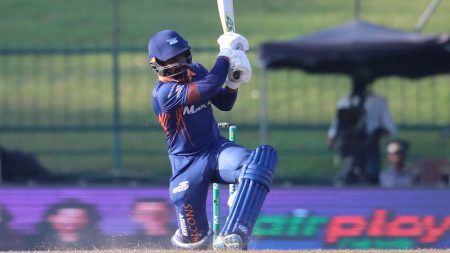
More than the historical win patterns, Pakistan will look to the conditions in Dubai with some hope. The slow, batsmen-friendly pitches, recently used for the ILT20, call for an old-fashioned game that could neutralize India’s big-hitting advantage in the middle overs. The lack of dew, due to the early start times, means the toss will be a significant factor. Teams will likely look to bat first and capitalize on the early overs before the pitch slows down further. In similar conditions last year, Sri Lanka got the better of India in a bilateral series at home with an unheralded spin attack. They won the tosses, batted first, and scored mid-200s in each game. Pakistan will hope for a similar outcome, while India will draw on the lessons they have learned from previous encounters on such surfaces.
Form Guide
Both teams come into this crucial match with distinct form profiles. Pakistan’s recent ODI record stands at LLWLW, with the team looking to build on their recent victory. India, on the other hand, has a more convincing form guide: WWWWL. This run includes a dominant performance in their opening match against Bangladesh. India’s form suggests they are well-prepared and in good shape to handle the conditions in Dubai. However, the pressure of an India-Pakistan match can often lead to unpredictable outcomes, and both teams will need to perform at their best to secure a victory.
In the Spotlight: Virat Kohli and Salman Agha
Virat Kohli has been out to legspin in each of the last five matches he has faced such bowling, totaling five dismissals for just 21 runs in the last 46 balls of legspin he has faced in ODIs. While Pakistan does not have a classic legspinner, Abrar Ahmed does turn the ball both ways like a legspinner. Kohli’s struggles against this type of bowling could be a critical factor in the match. On the other hand, Salman Agha has been a silver lining for Pakistan in recent ODI cricket. Since 2024, he has scored the second-most middle-over runs for Pakistan: 325, at an average of 65.00 and a strike rate of 88.07. Pakistan will rely heavily on his industriousness in the middle overs when India tries to choke them with their slower bowlers.
Team News and Pitch Conditions
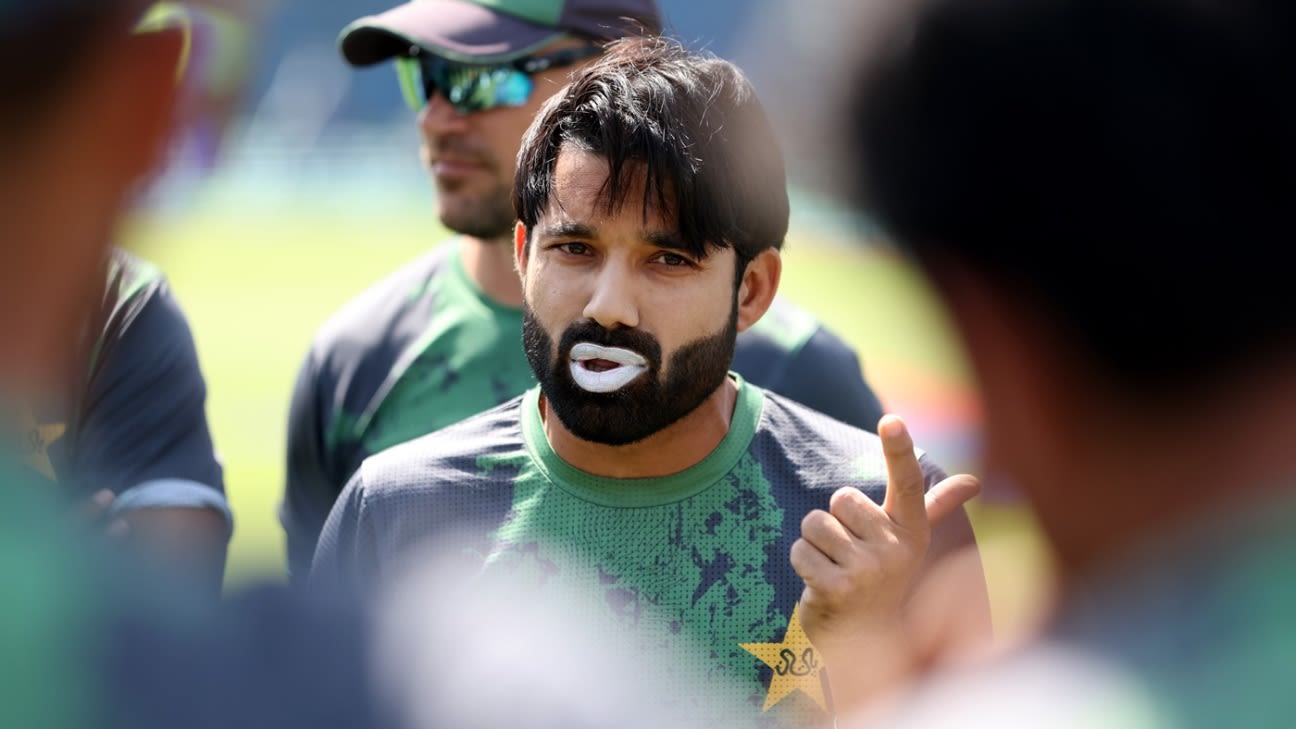
Pakistan has a crucial decision to make regarding their opening lineup. Imam-ul-Haq has come into the squad as the replacement for the dynamic opener, Fakhar Zaman. Usman Khan is their other reserve batter, but if he does make his ODI debut, he will have to adapt to an unfamiliar role, batting at number four in List A cricket. The possible lineup for Pakistan is: 1 Imam-ul-Haq, 2 Babar Azam, 3 Saud Shakeel, 4 Mohammad Rizwan (capt, wk), 5 Salman Agha, 6 Tayyab Tahir, 7 Khushdil Shah, 8 Shaheen Shah Afridi, 9 Naseem Shah, 10 Haris Rauf, 11 Abrar Ahmed. India, on the other hand, is unlikely to make any changes to their combination or personnel, sticking with the successful lineup: 1 Rohit Sharma (capt), 2 Shubman Gill, 3 Virat Kohli, 4 Shreyas Iyer, 5 KL Rahul (wk), 6 Hardik Pandya, 7 Ravindra Jadeja, 8 Axar Patel, 9 Harshit Rana, 10 Mohammed Shami, 11 Kuldeep Yadav.
Conclusion: The Pressure and the Challenge
The pressure of an India-Pakistan match is unparalleled. As Aaqib Javed, Pakistan’s ODI and T20I coach, aptly puts it, "If you remove pressure, then what remains in an India-Pakistan game? A player needs that pressure to show his wares." This pressure will be especially intense given the unique circumstances surrounding this match. India opener Shubman Gill adds, "Because there is no dew, I don’t think the toss matters much. In every big match, if there is no dew, whichever team that bats second is under a bit more pressure. Whichever team handles the pressure better, has a better chance of scoring the win." Both teams will need to manage this pressure and leverage the conditions to their advantage if they are to emerge victorious in this high-stakes encounter.