
The Revival of ODI Cricket
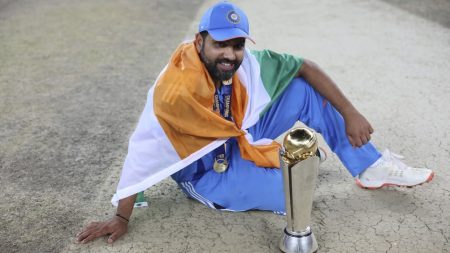
In the modern cricketing landscape, where the Test format commands reverence for its historical depth and T20 cricket demands immediate attention with its explosive pace, the One-Day International (ODI) often finds itself overshadowed. Yet, the middle child of cricket formats has consistently proven its mettle in global tournaments, offering a unique blend of skill and strategy. The last two ODI World Cups were filled with memorable clashes and spectacular performances, a testament to the format’s enduring appeal. As we prepare for another thrilling event, the ICC Champions Trophy, all eyes turn to Pakistan, where the tournament begins with a familiar faceoff between the defending champions and their frequent rivals, New Zealand.
A Tale of Two Teams
Pakistan, the hosts and defending champions, bring a sense of history and home-ground advantage to the table. It has been eight years since they last lifted the trophy, and much has transpired since then. In contrast, New Zealand, known for their consistency and tactical acumen, have been regular visitors to Pakistan, playing 11 ODIs in the country since the start of 2019. This close familiarity sets the stage for a compelling opener. Both teams have shown flashes of brilliance that suggest they possess the potential to contend for the title, but they have also displayed vulnerabilities that could be their undoing. This duality makes the encounter an ideal curtain-raiser, blending the excitement of home crowds with the unpredictability of international cricket.
Form and Fitness: The Key Players
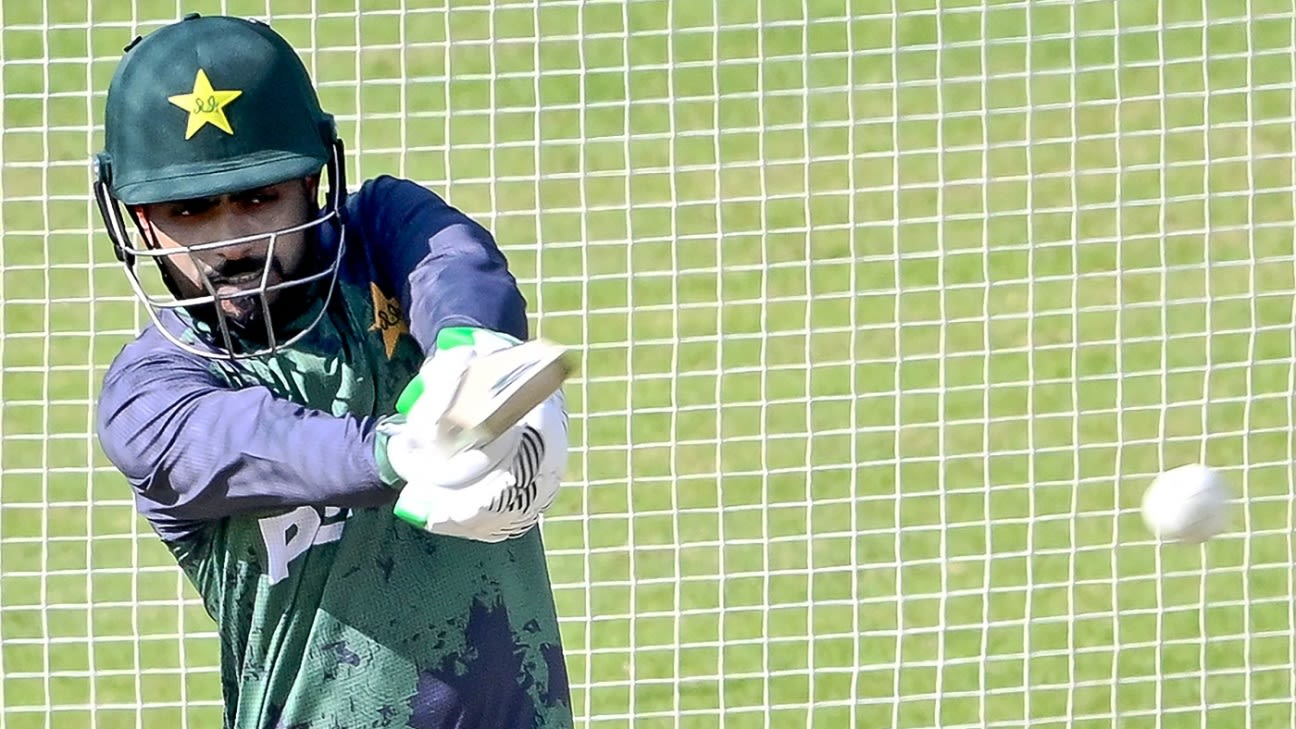
Pakistan’s batting lineup is anchored by their captain, Babar Azam, a player who has been a model of consistency. However, despite his recent form, Babar has gone 21 innings without an ODI century—a rare dry spell for a batsman of his caliber. A significant score from Babar in the tournament opener could not only boost his team’s morale but also quell any doubts about his new position at the top of the order. For a team that thrives on the performances of its marquee players, a big innings from Babar would be a shot in the arm.
New Zealand’s recent success in the tri-series, particularly their spinners Mitchell Santner and Michael Bracewell, has been a standout. The duo combined to maintain an impressive economy rate of 4.41, much lower than their counterparts from Pakistan and South Africa. Santner, with his left-arm orthodox spin, and Bracewell, a right-arm offspinner, form a formidable combination that can disrupt the opposition’s momentum and control the run rate. Their batting contributions further enhance their value, making them indispensable to New Zealand’s setup.
Team News: Preparing for Battle
Pakistan received a significant boost with the news that Haris Rauf is likely to be fit for the tournament opener. Rauf, who had to leave the field with a side strain during the first game of the recent tri-series, has been bowling in the nets and his captain, Mohammad Rizwan, is optimistic about his inclusion. This would allow Pakistan to field a full-strength XI, bolstering their already formidable bowling attack. The team’s lineup is balanced, with a mix of experienced campaigners and emerging talents, ensuring a versatile approach to the game.
New Zealand, on the other hand, faces some setbacks. Lockie Ferguson and Ben Sears, two of their original fast-bowling selections, are out of the tournament, and there is uncertainty surrounding Rachin Ravindra, who suffered a blow to the head during the tri-series. Will Young is on standby to open the batting should New Zealand decide not to risk Ravindra. Additionally, Kyle Jamieson, who will replace Ferguson, is not expected to arrive in Karachi in time for the first game. Despite these challenges, New Zealand’s depth and adaptability are expected to see them through.
Pitch and Conditions: The Unknown Variable
Karachi’s National Stadium, the venue for the tournament opener, has a recent history that hints at a varied playing surface. In the last two matches of the recent tri-series, the stadium produced contrasting results. On February 12, South Africa posted a massive 352, which Pakistan then chased down with an over to spare. Just two days later, the pitch turned decidedly more bowler-friendly, with Will O’Rourke taking four wickets and Mitchell Santner conceding just 20 runs in his ten overs as New Zealand comfortably chased down a modest 242.
This unpredictability adds to the intrigue, especially in a global tournament where conditions can play a significant role. While fast bowlers have generally struggled on Karachi’s pitches, with an average of 33.67 and an economy rate of 6.02 over the past decade, spinners have found some respite. The recent trend in global ODI events suggests that the pitch will likely favor batsmen but still provide enough assistance for the bowlers to make a difference. The weather on Wednesday is expected to be warm, with a high of 29 degrees Celsius and minimal chance of rain, setting the stage for an engaging contest.
Stats and Trivia: A Historical Context
Both Pakistan and New Zealand have storied histories in the Champions Trophy. New Zealand won their title in 2000, while Pakistan triumphed in 2017, both times at the expense of India. The two teams have faced each other 11 times in ODIs since the start of 2023, with the results evenly split: New Zealand have won five games, while Pakistan have taken six. However, New Zealand have won three of the last four encounters, indicating a recent edge in form.
Daryl Mitchell stands out among New Zealand’s batters, boasting the best average (50.42) among the 47 players to have scored 1000 ODI runs. His strike rate of 97.89 is also impressive, given that the five batters above him in terms of average score below 30. On the bowling front, Pakistan’s Shaheen Shah Afridi leads the pack, having taken 21 wickets at an average of 22.04 in ODIs since the 2023 World Cup. Babar, Fakhar Zaman, and Faheem Ashraf are the only players from the current Pakistan squad who were part of the 2017 winning campaign, adding a layer of experience and nostalgia to the team.
Quotes from the Camps: Setting the Tone
The captains and key players from both teams have underlined the importance of the upcoming clash. Pakistan’s captain, Mohammad Rizwan, emphasized the team’s equality and the pressure on senior players to perform on the biggest stage. "We’re all equal whether someone’s a platinum or an emerging player. The senior players have a bit more pressure on them, and we expect ourselves to perform on the biggest occasions, and this is as big as it gets," Rizwan stated.
New Zealand’s keeper-batter, Tom Latham, highlighted the advantage of acclimatization. "Anytime you’ve been in conditions you’re coming up against is an advantage. We’re lucky we’ve been over here for a couple of weeks and played in Pakistan quite a bit over the last three years," he noted.
As the Champions Trophy gets underway, the stage is set for a clash of titans in Karachi. Both teams will bring their A-game, and the outcome could well set the tone for the rest of the tournament.