
Fakhar Zaman Dismisses Retirement Speculation
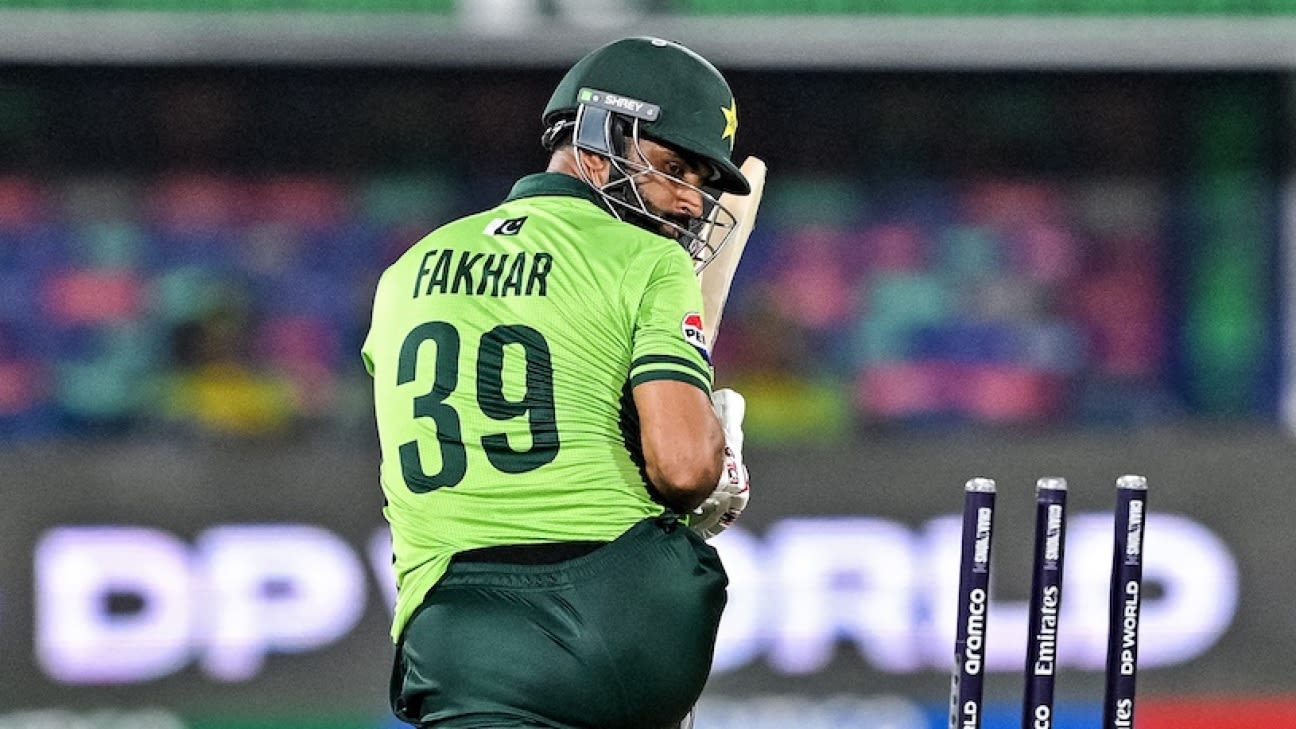
Fakhar Zaman, the stalwart left-hander who played a pivotal role in Pakistan’s 2017 Champions Trophy victory with a century in the final, has firmly put to rest rumors about his impending retirement from international cricket. Injuries have plagued his recent playing days, most notably a strained oblique muscle that forced him off the field in the opening over of Pakistan’s match against New Zealand in Karachi. Despite the setback and the subsequent 60-run defeat, Fakhar’s love for the game remains undiminished. When asked about the retirement speculation during an interview with PCB Digital, he categorically denied the rumors. "I heard about this a lot and even my friends messaged me about it, but there’s nothing to it," Fakhar stated. His favorite format, the ODI, continues to beckon, and he is determined to be back on the field, ready to contribute to Pakistan’s cricketing resurgence.
The Impact of the Injury
The injury that sidelined Fakhar was particularly devastating given the context of the match. Chasing an oblique muscle strain while fielding, he was visibly struggling during his 41-ball 24, a far cry from his usual aggressive and fluent batting. The situation was exacerbated by his move to No.4 in the batting order, a position he is not accustomed to. The moment he was dismissed, the dressing room was filled with palpable distress, as the team’s chances of a successful tournament were dimmed. Fakhar’s absence was keenly felt, and the uncertainty surrounding his future in the national side, coupled with his approaching 35th birthday, added to the speculation. However, Fakhar remains resolute. "The ODI format is my favourite format. Yes, with my thyroid, there was a thing that I could take more time getting back into it. But I want to play T20s, ODIs, even Tests again," he affirmed.
A Period of Absence and Criticism
Fakhar’s last appearance in international cricket was at the 2024 T20 World Cup in the USA and West Indies, where Pakistan’s hopes were dashed in the group stage. His last ODI was in the 2023 ODI World Cup, another tournament where Pakistan’s dream run ended prematurely. The period leading up to the recent Champions Trophy saw Fakhar facing a series of challenges. He was notably left out of Pakistan’s central contracts, a decision that raised eyebrows and fueled speculation about his place in the team. Adding to the controversy, Fakhar issued a show-cause notice last September following a tweet criticizing the decision to drop Babar Azam from the Test side. His outspoken nature during the "connection camp" organized by chairman Mohsin Naqvi further highlighted his dissatisfaction with certain aspects of the team’s management and structure.
Commitment to a Comeback
Despite the hurdles, Fakhar’s commitment to returning to the international stage is unwavering. He has been in regular communication with the team’s medical staff and is optimistic about his recovery timeline. "The doctor has advised me that I can start training again in three weeks. So I think I should be back to playing cricket in a month’s time," Fakhar shared. This timeline is a testament to his determination and the professional approach he is taking to his rehabilitation. For a player who has been a key figure in Pakistan’s recent successes, particularly in the limited-overs format, his return is a significant boost. Fakhar’s presence in the top order can provide the much-needed aggressiveness and momentum that the team has been lacking.
Team Dynamics and Performance
The Champions Trophy saw Pakistan struggle with their batting approach, especially in the top order. The loss to New Zealand was followed by a more decisive defeat against India, which saw the team knocked out of the tournament. Both matches highlighted the challenges faced by key players like Babar Azam and captain Mohammad Rizwan. In the match against New Zealand, Babar’s 64 off 90 balls and Rizwan’s 46 off 77 balls against India were described as laborious and contributed to the team’s failures. The replacements, including Imam-ul-Haq, were scrutinized, but the absence of Fakhar was considered a significant factor by coach Aaqib Javed. Fakhar’s return could not only bolster the team’s batting lineup but also inject a fresh perspective on the modern game’s requirements.
Modern Cricket and the Importance of Strike Rate
Fakhar’s insights into the modern game emphasize the importance of situational awareness and adaptability. "The biggest thing is the situation. If you are chasing 150-200 runs you go in with a different mindset and if you are chasing 350, you have a different mindset. But strike rate does matter, especially these days," he explained. The contemporary cricket landscape is characterized by high-scoring matches, and teams often come with aggressive plans. Fakhar acknowledges that taking risks is essential, even if it means losing a wicket. "Cricket has become so fast-scoring, all teams come with that plan. If you take risks, you can score runs, although yes, you can also lose your wicket doing that," he added. His return could bring a much-needed balance to Pakistan’s batting, blending aggression with consistency and helping the team navigate the demands of the modern game more effectively.