
Anil Kumble’s Vision for India’s Cricket Future
Anil Kumble, the former India captain and renowned legspinner, has laid out a clear and compelling vision for the future of Indian cricket, particularly in the context of the ongoing Champions Trophy. Kumble, known for his astute cricketing mind and leadership, believes that the time has come for the Indian team to start setting transition plans in motion. This is a critical juncture, he argues, where the team must begin to build a new, younger squad capable of challenging for the 2027 ODI World Cup. His insights come at a pivotal moment, as India prepares to face Bangladesh in their opening game of the Champions Trophy.
The Coach’s Tough Decisions
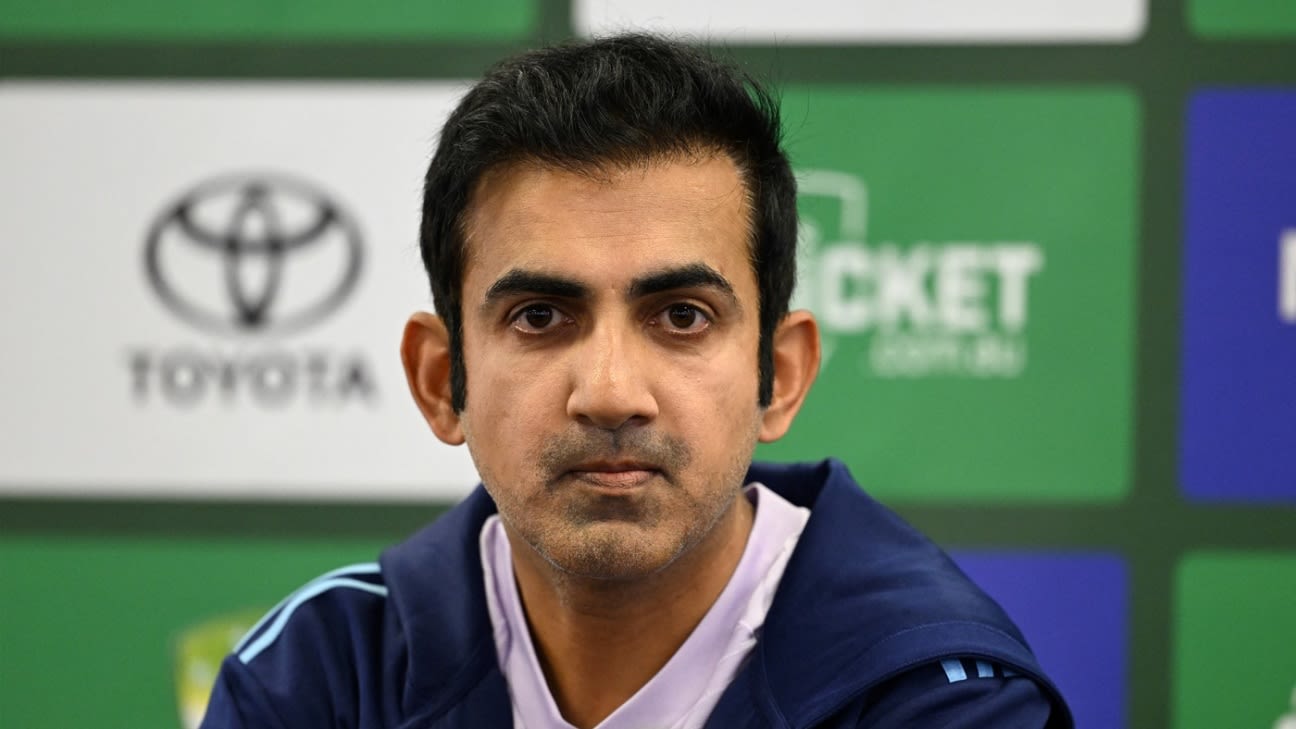
Kumble’s comments highlight the significant responsibility that head coach Gautam Gambhir faces. "You could say this is a very important tournament for a coach who has to make those tough calls in terms of transitioning from the legacy players to the others," Kumble said. "But that’s the job of the coach, to make those hard decisions." The Champions Trophy, a prestigious tournament, offers a perfect platform for Gambhir to assess the current squad and make crucial decisions about the future. Whether India performs well or faces setbacks, Kumble emphasizes that these tough calls must be made sooner rather than later. The coach’s role is not just to win the present but to lay the foundation for future success.
Gambhir’s Mixed Record
While Gambhir has a stellar record in T20Is, with 16 wins and just two losses, his credentials in ODIs and Tests have been less impressive. India’s recent losses, including a bilateral ODI series to Sri Lanka for the first time in 27 years and a 3-0 home defeat to New Zealand in Tests, followed by a 3-1 loss in the Border-Gavaskar Trophy in Australia, have raised questions about his ability to manage the longer formats. Kumble acknowledges these challenges and stresses the importance of Gambhir’s role in shaping the team’s future. "In any World Cup, you’re looking at building a squad that has played at least 20 or 25 matches together. That’s when you understand the nuances of match situations, and who to rely on," he said. This understanding is crucial for the team’s success in the 2027 ODI World Cup.
The Need for Young Blood
Kumble’s advice to Gambhir is clear: introduce young blood into the squad and ensure that the new group of players has "at least 20-25 matches together" before the next ODI World Cup. This organic process of team building is essential for developing a cohesive unit that can handle the pressures of international cricket. "Ideally, at the end of this tournament, you must start looking ahead to the next World Cup. Do the seniors make it there? Or do we give the opportunity to youngsters to take the team forward in the shorter formats and build a strong unit? These are questions Gambhir needs to address," Kumble stated. The transition must be handled with care, balancing the experience of the senior players with the potential and energy of the younger ones.
Building for the Future
Gambhir has a fresh, young team and a wealth of talent to choose from. Kumble believes that this is a golden opportunity for the coach to start preparing for the 2027 World Cup. "In T20Is, he’s done well. Suryakumar Yadav has been a great captain. The next World Cup is still two years from now, and the new set of players will need a consistent run of games playing with each other, to understand many things like the batting order, match situation, and tactics," Kumble explained. The key is to provide these young players with the experience and exposure they need to grow and mature into world-class cricketers. This will require a strategic and long-term approach, one that Gambhir must embrace to ensure India’s continued dominance in white-ball cricket.
A Balanced Approach
Kumble’s advice underscores the need for a balanced approach in team selection and management. While the immediate goal is to perform well in the Champions Trophy, the long-term objective is to build a team that can compete at the highest level in the 2027 ODI World Cup. This involves making tough decisions about the future of senior players and giving younger talents the opportunity to shine. Kumble’s insights provide a roadmap for Gambhir and the Indian cricket establishment to follow, ensuring that the team remains competitive and continues to produce world-class cricketers. The future of Indian cricket is bright, but it requires careful planning and execution to turn potential into reality.