
A Familiar Plight for Pakistan
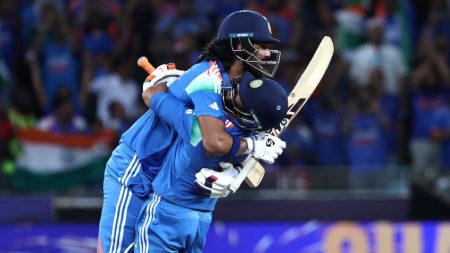
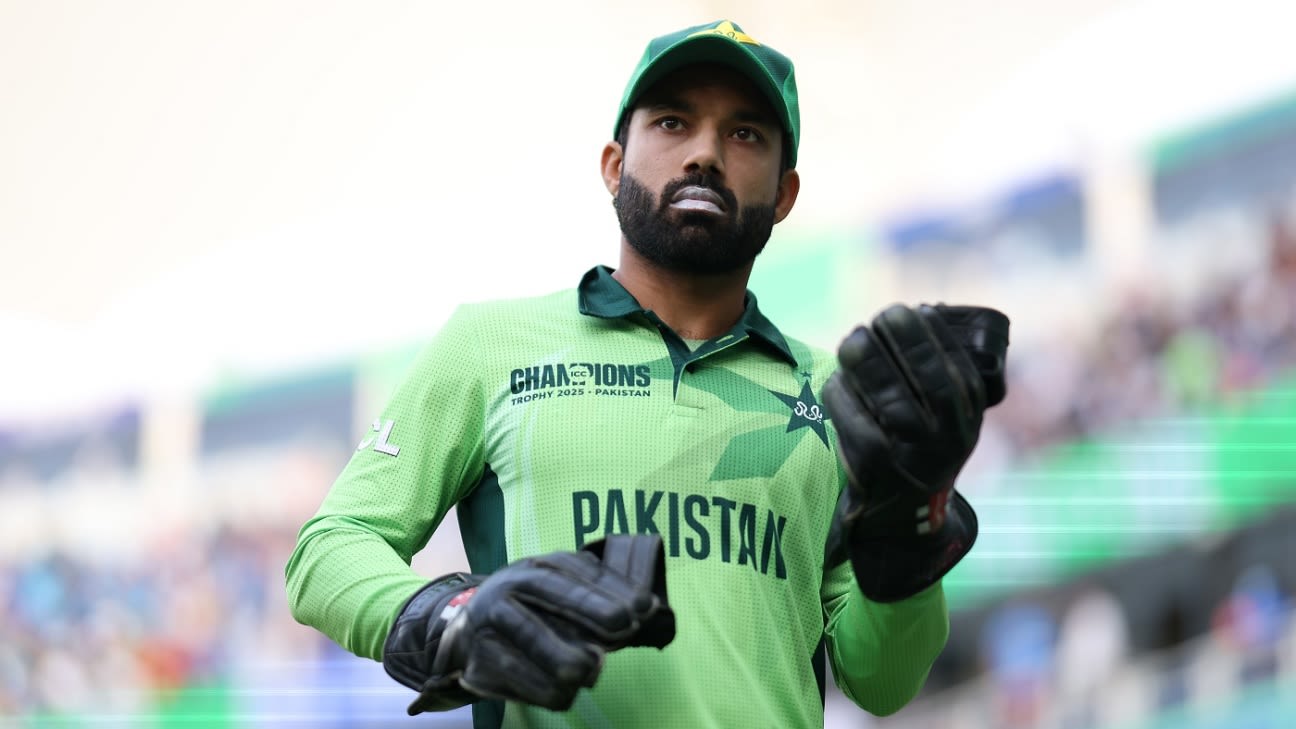
The defending champions, Pakistan, find themselves in a precarious position following their recent loss. With only a game against Bangladesh remaining, their hopes of advancing to the knockout stages of the tournament hinge on results from other teams. This unfortunate scenario is a recurring one for Pakistan, who have often faced similar dilemmas in international white-ball tournaments. Captain Mohammad Rizwan, speaking after the game, candidly admitted, "We can say for now that it is over. That is the truth. We’ll see what Bangladesh does with New Zealand, then New Zealand with India, and then what we do. It’s a long road and it depends on other teams." Rizwan expressed his frustration with the reliance on external outcomes, a sentiment echoed by many cricket fans and analysts. As a leader, he prefers his team’s fate to be in their own hands, and the current situation is a stark reminder of past shortcomings.
Internal Reflection and Team Dynamics
The loss to India has inevitably led to intense self-examination within the Pakistani camp. Rizwan acknowledged the need to address the mistakes that have plagued their recent performances. "When you lose, you’re obviously disappointed and it’s a difficult time, difficult questions come up," he said. "We made mistakes in all three departments, that is why we lost today." The team’s strategy to target a score of 270-280 was derailed by a combination of slow outfield conditions and poor shot selection. Despite building a solid foundation with Saud Shakeel, the middle-order collapse, exacerbated by Rizwan’s own dismissal, proved costly. "Saud and I started building up a partnership, over which we took some time, but after that our shot selection was poor. That gave them a chance to take wickets and put pressure on our middle order. They built on it, and we couldn’t stabilise ourselves," he explained. The team’s inability to rectify these recurring errors is a source of deep frustration, especially given their recent successes in bilateral ODI series against Australia and South Africa.
The Human Element in Cricket
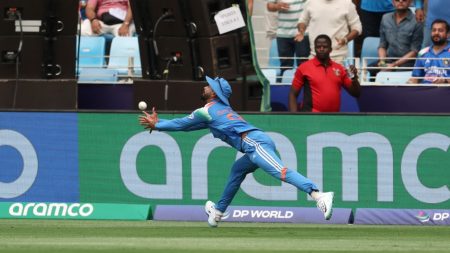
Rizwan’s comments reflect a nuanced understanding of the human aspects of cricket. "We work on them, but we are humans, our players are humans, these mistakes happen. We’re trying to work on those, we’re trying to put the effort in to resolve those," he stated. While the mistakes are acknowledged, the captain is also aware of the pressures and challenges his players face. The loss to India, in particular, highlighted a lack of bravery and energy, which Rizwan believes was a significant factor. "What I believe is that India’s effort was greater than us, they were braver than us. That is why they got the result. We made mistakes, maybe because when we had to show bravery in some moments, we didn’t show enough. In our fielding, we needed to show more energy, but maybe we were lacking in that, and so made mistakes," he added. This human touch adds a layer of empathy to the technical analysis, reminding us that cricket is as much a mental game as it is a physical one.
The Impact of Injuries
Injuries have also played a significant role in Pakistan’s current predicament. The tournament began under a cloud of uncertainty due to the absence of Saim Ayub, a promising young opener who suffered a fractured ankle. Rizwan lamented the loss of Ayub, who not only brought energy to the top of the order but also contributed as a spin bowler. "Saim Ayub’s absence has really impacted us. He’s a modern opener who can get us those quick runs. Plus, he provides a spin-bowling option, which is crucial in ODIs," he said. The injury left the team reliant on Imam-ul-Haq, an opener with a more traditional and cautious approach, which further constrained their batting flexibility. Adding to this, the early dismissal of Fakhar Zaman in their opening game against India further compounded the batting issues. These setbacks have made it challenging for Pakistan to execute their game plan consistently, a challenge they will need to overcome in their remaining match against Bangladesh.
Questioning the Squad Composition
The composition of the Pakistani squad, particularly their bowling lineup, has been a topic of debate. Rizwan addressed the criticism surrounding the inclusion of only one specialist spinner, Abrar Ahmed. "In ODIs, you can’t have five genuine bowlers. Naseem [Shah], Shaheen [Afridi], Haris [Rauf], Abrar. The fifth, you see New Zealand have Santner and Bracewell, India have Jadeja and Patel. The best we had, the selectors picked them—Salman Agha and Khushdil Shah," he explained. The captain insisted that the selectors made the best choices with the available resources, but the lack of a second spin-bowling option has left Pakistan vulnerable, especially on slow pitches. Despite Abrar’s impressive performances, the team’s reliance on a single spinner has raised concerns. "If we go with two genuine spinners, that means we are going with five bowlers and six batters, and we can’t make a combo of that. So yeah, there will be questions about having another spinner, but you can’t go in with five genuine bowlers in an ODI," Rizwan noted. The debate over team balance is likely to continue, but for now, the focus is on salvaging what they can from the remaining game.
Looking Ahead and Beyond
Despite the setbacks, Rizwan remains resilient and looks to the future. "We have one game left, and we’ll give it our all. We need to show that we’re capable of performing at this level, even if it’s just one match," he said. The captain is determined to use this tournament as a learning experience, hoping that the team can emerge stronger from the adversity. "We know we have the talent, but we need to work on our mental strength and execution. This is a tough lesson, but it’s one we have to take with us." The pressure on Pakistan is high, and their performance against Bangladesh will be crucial in determining whether they can end the tournament on a positive note. Rizwan’s leadership will be tested, but he remains committed to leading the team with dignity and determination, regardless of the outcome.