
The Middle-Over Dilemma
Pakistan’s crushing defeat against India in the Champions Trophy has dashed their hopes of progressing in the tournament held on their home soil. A significant factor in this loss was the team’s middle-overs slowdown, which sorely impacted their overall performance. After a relatively steady start, Pakistan managed 52 runs for the loss of two wickets in the first ten overs. However, the next 14 overs were a different story, yielding a mere 42 runs. This dramatic drop in scoring rate was largely attributed to the play of captain Mohammad Rizwan, who, according to former cricketer Urooj Mumtaz, was overly cautious and tepid during this critical phase.
Rizwan’s Caution at Fault
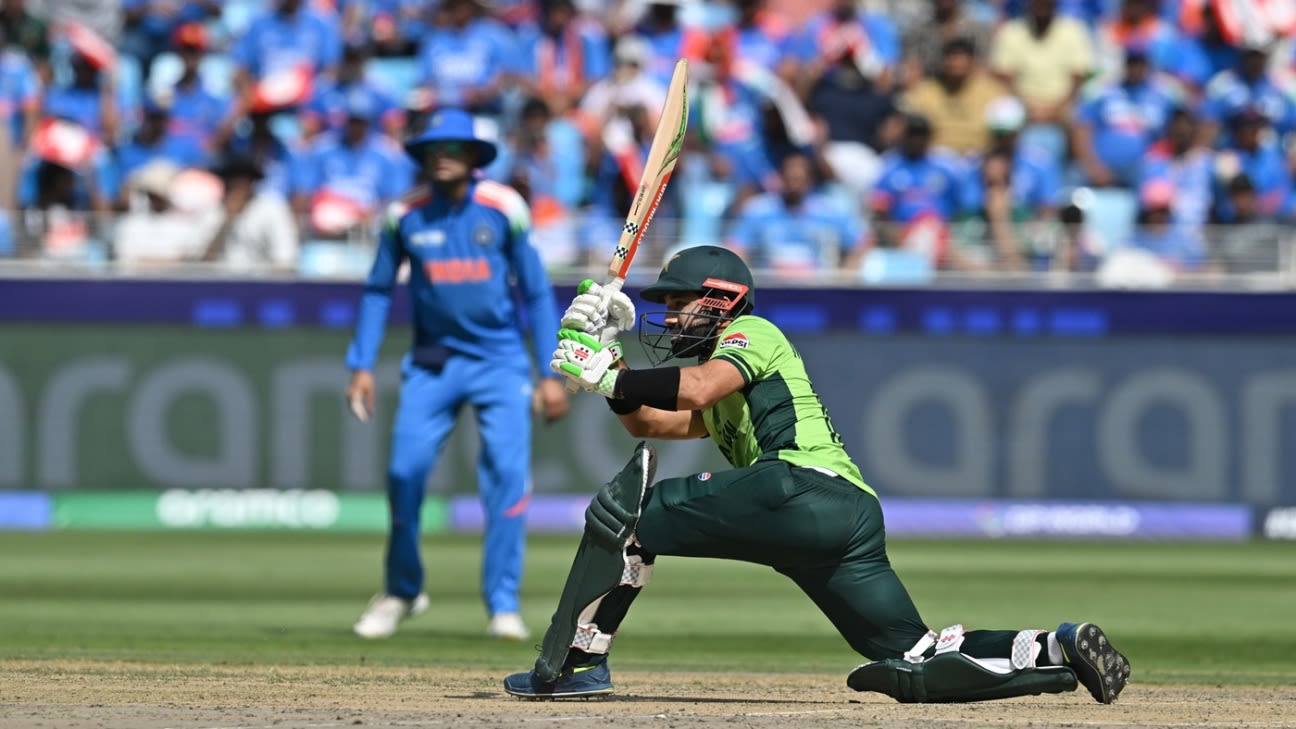
Mumtaz was particularly critical of Rizwan’s approach, noting that he frequently played too many dot balls, which stifled the team’s momentum. "Rizwan, time and again, is at fault of chewing up too many dot deliveries. Then there is one release shot that comes out," she observed on ESPNcricinfo Match Day. Rizwan’s innings was marked by a plodding pace, with 45 of the 77 deliveries he faced being dot balls. At one point, he was stuck on 30 runs off 68 balls, managing just one four. This inability to capitalize on scoring opportunities was a significant drawback, especially in a format that demands aggressive batting to maximize runs.
The Partnership with Shakeel
While Rizwan’s role as the aggressor is usually expected, in this match, he seemed to be playing more conservatively than his partner, Saud Shakeel. Shakeel, who is typically not known for his aggressive batting, found himself in a situation where he had to take the initiative, but the lack of support from Rizwan made it difficult for him to maintain a high scoring rate. The partnership between Rizwan and Shakeel, though valuable, took an inordinate amount of time to build. By the time Rizwan was dismissed, the duo had accumulated 104 runs, but it had taken them 144 deliveries to do so.
Rizwan’s Flawed Strategy
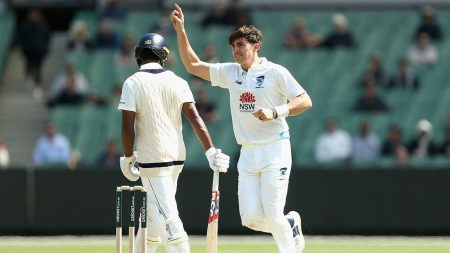
Rizwan’s dismissal, which came when he attempted to loft Axar Patel down the pitch but missed and was bowled, further highlighted the issues with his approach. After hitting a four off Kuldeep Yadav in the first delivery he faced, Rizwan was visibly cautious. His next boundary did not come until the 49th delivery, when he hit Ravindra Jadeja for a four in the 25th over. The third and final four also came off Jadeja in the 27th over. This lack of aggression and poor strike rotation put undue pressure on Shakeel, who had to carry the burden of scoring runs in a high-pressure situation.
The Broader Team Context
The performance of Rizwan during the middle overs was especially critical given the current form of the team’s best batter, Babar Azam, who is struggling to convert his starts into big scores. Babar’s early dismissal and an unfortunate run-out of Imam-ul-Haq further compounded Pakistan’s problems. In such circumstances, the captain’s role is pivotal in anchoring the innings and guiding the team through difficult phases. However, Rizwan’s cautious play and failure to rotate the strike effectively did little to alleviate the pressure on the batting lineup.
The Need for Improvement
Mumtaz suggested that Rizwan should have adopted a more balanced approach, perhaps focusing on better strike rotation and not just playing defensively. "I think Rizwan, in his 46 off 77 – strike rate of 59 – just wasn’t good enough because we’re talking about a team where the best batter in the team [Babar Azam] is obviously out of form, hasn’t been churning out those big runs… and he got out early." The criticism of Rizwan’s play is not just about the lack of runs but also about the pressure it inflicted on his teammates and the overall team dynamics. Moving forward, Pakistan will need to address these issues if they are to remain competitive in the Champions Trophy and other international tournaments.