
India’s 3-0 Victory Over England
India’s recent 3-0 sweep over England in the ODI series has been a testament to the team’s dominant form and strategic acumen. The series win was comprehensive, with India showcasing a blend of skill and tactical flexibility that left little room for doubt. However, the batting department saw a couple of unusual decisions that drew significant attention and criticism, particularly the promotion of Axar Patel and the potential sidelining of KL Rahul. These changes seemed to align with coach Gautam Gambhir’s preference for right-left batting combinations, a strategy that has been a talking point among cricket pundits and fans alike.
Gambhir’s Right-Left Batting Strategy
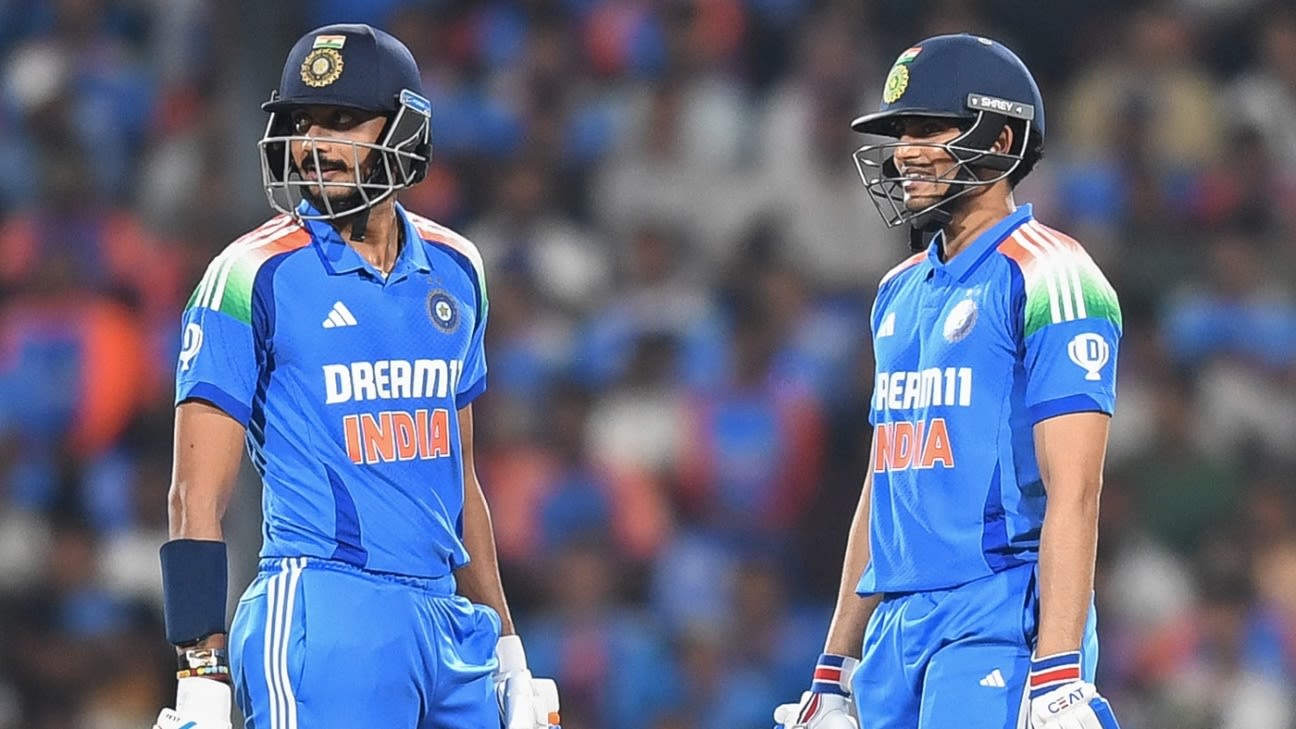
Gambhir’s decision to promote Axar Patel, a left-handed batter, in the middle order was a bold move that raised eyebrows. This strategy, which involves placing a quality left-hand batter in a position to make an impact, was defended by Gambhir as a way to enhance the team’s batting dynamics. "That’s the way cricket is meant to be played," Gambhir said, emphasizing that the focus is not on traditional batting order but on the impact a player can create. He further explained that the team doesn’t rely solely on averages and stats; instead, they look at who can deliver the most at a specific position. Axar’s performance in the two games he was promoted for was commendable, and Gambhir is confident this approach will continue in future matches, including the Champions Trophy.
Impact on KL Rahul
The promotion of Axar Patel often left KL Rahul, a right-handed batter, with limited opportunities in the middle order. This decision was met with some criticism, but Gambhir was quick to clarify that it was not a reflection of Rahul’s batting abilities. Rahul, who has been a steady and reliable presence in the middle order, remains the team’s No.1 wicketkeeper. Gambhir acknowledged the dilemma of having two high-quality wicketkeepers, Rishabh Pant and KL Rahul, in the squad but maintained that Rahul’s consistency and performance have solidified his position. "At the moment, KL is a No.1 wicketkeeper for us, and he’s delivered for us," Gambhir said. "We can’t play both the wicketkeepers, and hopefully, whenever he gets that opportunity, he should be ready for it."
Yashasvi Jaiswal’s Introduction
Another strategic decision that caught the eye was the consideration of introducing Yashasvi Jaiswal, a left-hand batter, into the already packed lineup. After the first ODI, Shreyas Iyer revealed that he was slated to sit out to give Jaiswal a chance. However, an injury to Virat Kohli provided Iyer with another opportunity, which he seized with a match-winning performance. Gambhir explained that the team’s intent was to evaluate Jaiswal’s potential, especially given his excellent form in Australia. "We wanted to give Yashasvi a go in the first game and see what he can bring to the table," Gambhir said. "We couldn’t judge him by just one innings, but we always knew Shreyas is going to be a crucial player for us."
Rotating the Squad
The team management’s approach to squad rotation was also highlighted during the series. With only three games, the management sought to maximize the opportunities for players to showcase their skills and build form ahead of the Champions Trophy. Gambhir mentioned that while Shami was a viable option, they opted to give Arsh a chance, and similarly, they chose to play Washi instead of Jadeja. "When you’ve got Champions Trophy around the corner, you want to try and maximize these three games and try and give everyone an opportunity," Gambhir said. This strategy ensured that the team could maintain a balance between performance and preparation, allowing key players to stay sharp and ready for the upcoming tournament.
Future Outlook and Team Dynamics
Looking ahead, Gambhir’s emphasis on right-left batting combinations and squad rotation reflects a forward-thinking approach to team management. The idea is to create a versatile and resilient lineup that can adapt to different situations and oppositions. While the series against England provided a clear demonstration of the team’s strength, it also showed the willingness to experiment and innovate. This approach not only keeps the team on its toes but also ensures that players are continuously motivated and challenged. The upcoming Champions Trophy will be a crucial test for these strategies, and the team will be keen to see how they fare in a high-pressure environment. As Gambhir put it, "That’s all I can say at the moment. Right now, KL is the one who’s going to start, and we are confident in our choices."
In summary, India’s 3-0 victory over England was a combination of skill, strategy, and adaptability. While some decisions, like the promotion of Axar Patel and the consideration of Yashasvi Jaiswal, may have raised questions, they were rooted in a broader vision to build a strong and flexible team. Gambhir’s approach, which prioritizes impact and potential over averages and stats, reflects a modern and dynamic mindset in cricket management.