
The Unveiling of AI in Call of Duty
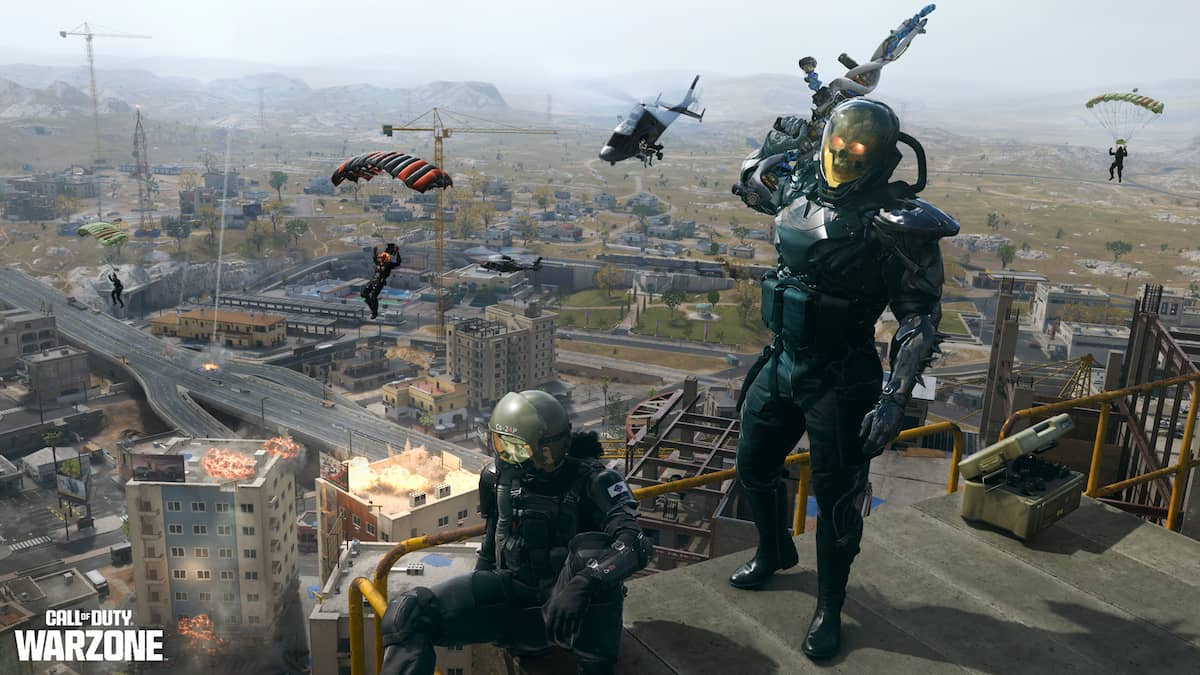
Call of Duty’s season two for Black Ops 6 and Warzone has been a series of missteps, and the latest revelation has added another disheartening chapter to the saga. Activision has confirmed that the company employs generative AI in the game development process. This news, while not entirely shocking, has left a bitter taste in the mouths of many players and industry insiders. The confirmation came in the form of a vague disclosure at the bottom of the game’s Steam description: “Our team uses generative AI tools to help develop some in-game assets.” The lack of specificity is intentional, leaving players and critics to speculate about the extent of AI’s role in the game’s creation. Many assume that AI has been utilized for a while, particularly for cosmetic elements like loading screens, emblems, and calling cards, which are often part of paid store bundles costing upwards of $20. This revelation has only deepened the sense of disappointment and frustration among the community.
The Broader Context of AI in Game Development
The use of AI in game development is not a new phenomenon, but the extent to which it is being employed by major studios like Activision is raising significant concerns. Steam’s new rules requiring developers to disclose AI usage have brought this issue to the forefront. The disclosure for Call of Duty is notably vague, which is likely a strategic move to avoid transparency and potential backlash. This vagueness leaves a lot of room for speculation. For instance, is AI being used for mundane tasks like duplicating bushes on a large map, or is it replacing the work of human voice actors? The ongoing voice actor strike, which has affected games like Destiny 2, where new content features unspoken dialogue, highlights the tension between AI and human labor in the industry. The strike is a direct response to the increasing use of AI, which many see as a threat to their livelihoods. This context makes the Call of Duty disclosure even more disheartening, as it suggests a trend of cost-cutting at the expense of human creativity and labor.
The Community’s Reaction
The community’s reaction to the AI disclosure has been overwhelmingly negative. When CharlieIntel, a popular gaming news site, posted about the AI usage on February 24, the comments section was flooded with expressions of disgust and anger. Players are particularly upset because Call of Duty is known for its aggressive monetization strategies, and the use of AI seems to be a way for Activision to cut costs while continuing to push expensive content. The lack of transparency only adds to the frustration. Many players feel that they are being taken for granted, and that the quality of the game is being compromised. The question of whether a particular skin or asset was created by AI or a human artist is now a source of uncertainty and mistrust. This erosion of trust is a significant blow to a franchise that has long relied on its reputation for high-quality, engaging content.
The Ethical Dilemma
The ethical implications of using AI in game development are complex and multifaceted. On one hand, AI can be a powerful tool for streamlining certain aspects of the development process, allowing developers to meet tight deadlines and create more content. On the other hand, the use of AI raises serious questions about the value of human creativity and the potential for job displacement. The line between acceptable and unacceptable use of AI is blurry, and it’s a line that many feel Activision has crossed. If AI is being used to create cosmetic elements, that might be seen as less problematic than if it is replacing the work of voice actors or other creative professionals. However, the lack of transparency makes it impossible to know where that line is being drawn. This ambiguity is particularly troubling in an industry that prides itself on innovation and creativity.
The Future of Game Development
The use of AI in game development is likely to become more prevalent, and the Call of Duty disclosure is a harbinger of this trend. The pressure to meet deadlines and produce content for live-service games is intense, and AI offers a way to do so more efficiently. However, this efficiency comes at a cost. The potential for AI to replace human jobs and devalue human creativity is a real concern. The industry must grapple with these issues and find a balance that respects both the need for efficiency and the value of human labor. Transparency is a crucial first step. Players and developers alike deserve to know how AI is being used and what its impact is on the final product. Without this transparency, the trust between players and developers will continue to erode, and the quality of games may suffer.
A Sad Time for Call of Duty and the Industry
In conclusion, the confirmation of AI usage in Call of Duty’s development is a sad time for the franchise and the gaming industry as a whole. It represents a shift towards a more automated and less human-centric approach to game creation, which many feel is detrimental to the art and soul of gaming. The lack of transparency and the potential for job displacement are significant concerns that need to be addressed. The industry must find a way to integrate AI in a manner that enhances, rather than diminishes, the creative process. For now, the future of Call of Duty and other major franchises remains uncertain, and the shadow of AI looms large over the landscape of game development.