

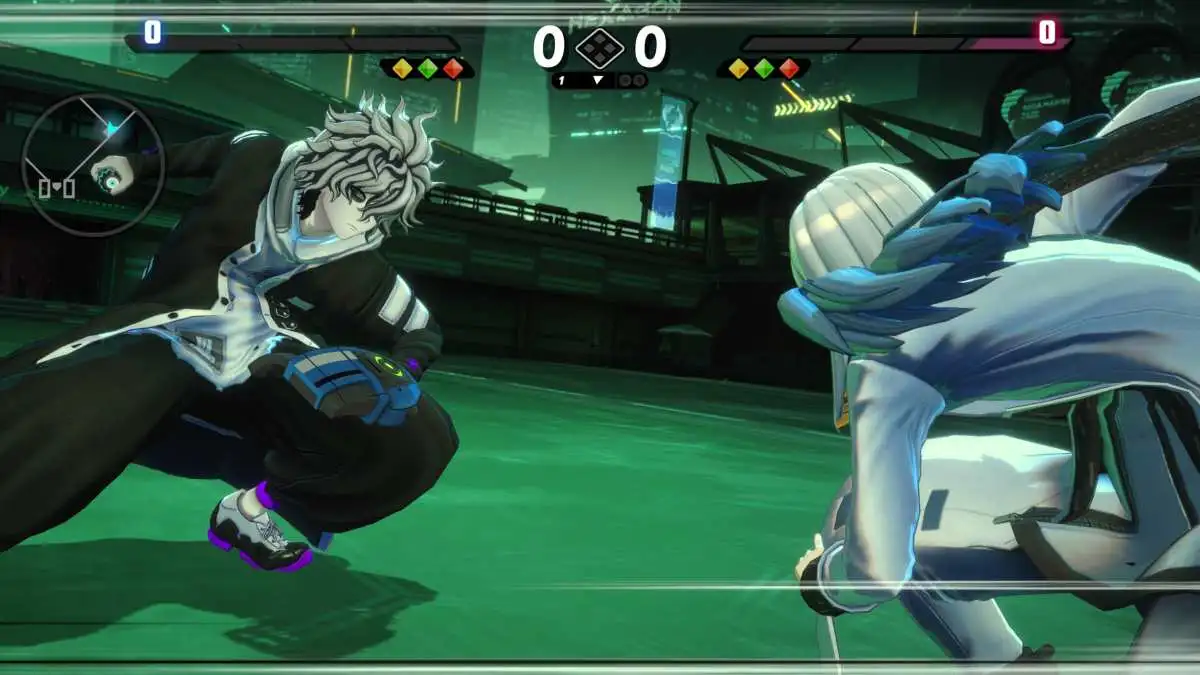
Introduction to Tribe Nine
Tribe Nine, the highly anticipated action RPG from the minds behind Danganronpa, has finally made its debut on February 19 across Windows, iOS, and Android. Developed by Too Kyo Games, this free-to-play title has garnered significant attention, not only due to its impressive visuals and engrossing narrative but also because it marks the studio’s first foray into the free-to-play genre. The game’s reception has been a mix of excitement and criticism, with player count statistics providing a clear snapshot of its performance.
Player Count Statistics
According to the available data, Tribe Nine has seen a promising start in terms of player engagement. On its launch day, the game peaked with 9,680 players, which remains its all-time high. The 24-hour peak saw 8,403 players, and at the time of writing, the current player count stands at 6,061. These numbers are particularly significant when considering the game’s debut on multiple platforms. Additionally, the game’s Twitch stats have been even more impressive, with an all-time peak of 24,237 viewers just one day after its release. This indicates a strong community interest and a high level of engagement among players.
Mixed Reception and Reviews
Despite the initial buzz and impressive visuals, Tribe Nine has received a mixed reception from players. The game currently has 860 positive and 735 negative reviews, suggesting that there are significant issues that need to be addressed. The primary concerns revolve around the game’s monetization model and the lack of rewards in the free-to-play experience. Many players have noted that the free-to-play currency, Enigma Entities, is much harder to obtain in the official release compared to the beta version. This has led to frustration and a sense of unfairness among the player base.
Monetization Issues
Tribe Nine’s monetization model has been a major point of contention. In the beta version, players were rewarded with Enigma Entities for completing story modes and objectives, with those who finished chapter one earning around 160 Enigma Entities. However, in the official release, the same amount of gameplay yields only about 80 Enigma Entities, which is a significant reduction. Additionally, the appearance rates on gacha banners are notably harsh, making it difficult for players to obtain desired characters and items. This has led to a perception that the game is overly monetized, which is a common criticism in the free-to-play genre.
Changes from Beta to Release
The transition from the beta to the official release has been marked by several changes that have negatively impacted the player experience. For instance, chests no longer provide any premium currency, whereas they previously ranged from five to 20 Enigma Entities. Interacting with graffiti during exploration, which once rewarded players with five Enigma Entities, now yields no currency. Furthermore, the absence of usable codes upon launch could have been a saving grace for players dealing with these harsh changes. These alterations have made the game less rewarding and more frustrating for many players, especially those who were accustomed to the beta’s more generous rewards system.
Future Prospects and Recommendations
Despite the current challenges, Tribe Nine still has the potential to grow and improve. As a niche title from a smaller studio, it needs to be more forgiving with its banner appearance rates and more generous with its free-to-play currency to build momentum for possible future updates. Addressing these issues could help to retain and attract more players, ultimately leading to a more positive reception and a healthier player base. The game’s strong visuals and engaging story are strong selling points, and with the right adjustments, Tribe Nine could become a standout title in the free-to-play action RPG genre.