
Unveiling the Bundesliga’s New TV Revenue Distribution Model
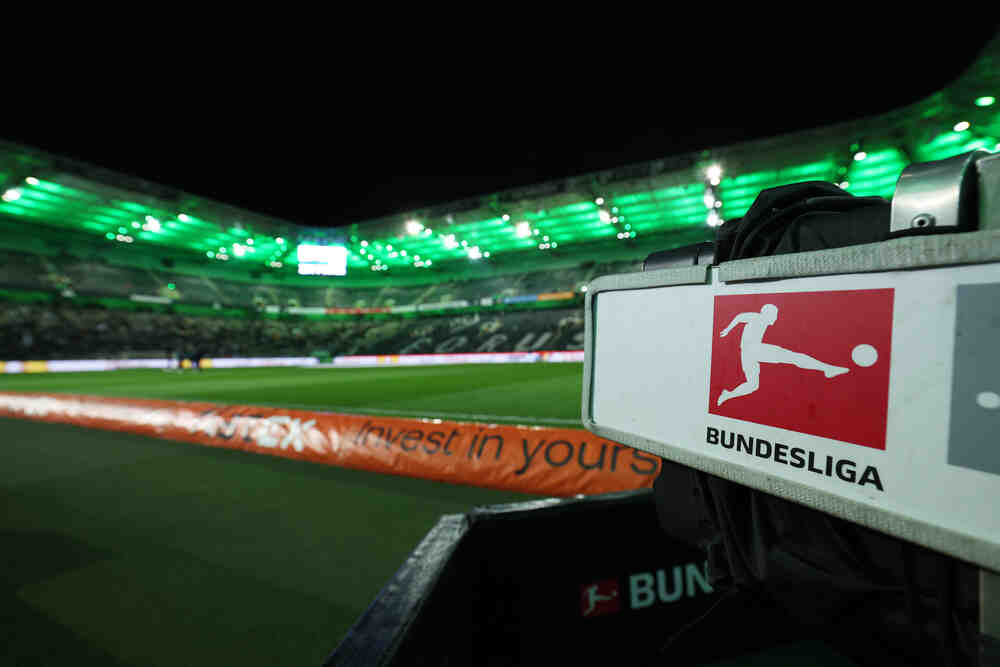
For weeks, German professional football clubs and the DFL (Deutsche Fußball Liga), the governing body of the Bundesliga and 2. Bundesliga, have been embroiled in a heated debate over the allocation of TV money. On Monday, the DFL’s executive committee finally reached a unanimous decision, introducing a more nuanced approach to revenue distribution. The new model will factor in not just on-the-field performance and talent development, but also the broader fanbase and public interest in the clubs. This decision aims to create a more sustainable and equitable financial system, recognizing the historical and cultural significance of clubs, especially those in the second tier.
Balancing Fairness and Popularity
Historic clubs like Schalke 04, an eight-time Bundesliga champion, and Hamburger SV, a six-time winner, had been advocating for a greater emphasis on public interest. The DFL’s announcement confirmed that this element will indeed be considered, but only accounts for 3% of the total revenue. This means that factors such as TV reach and the number of club members will play a role in the distribution, albeit a minor one. The new deal, effective from summer 2025, will see the 36 clubs across the top two divisions receive €1.1 billion annually from TV marketing. The distribution key remains largely unchanged, with 50% of the revenue allocated based on income, 43% on performance, 4% on talent development, and 3% on public interest. This balanced approach is designed to maintain the principle of solidarity while providing incentives for sporting excellence and growth.
Endorsement and International Context
Borussia Dortmund’s managing director, Hans-Joachim Watzke, who spoke on behalf of the DFL executive committee to the Frankfurter Allgemeine Zeitung, endorsed the new model, calling it a "good development in what is a proven concept of distribution." The current distribution key has been praised for its effectiveness in international comparisons, striking a balance between rewarding success and ensuring financial stability across the league. This model provides a benchmark for other leagues, particularly those grappling with similar issues of fairness and sustainability.
England’s Premier League TV Revenue Distribution
In contrast to the Bundesliga, the Premier League in England has a different approach to TV revenue distribution. Premier League clubs receive 50% of the media revenue equally, 25% based on the number of television appearances (facility fees), and 25% based on their league position (merit payment). Additionally, overseas broadcasting monies are distributed equally among the 20 clubs. This model ensures a level of financial stability and encourages competition, but it has also been criticized for not adequately recognizing the historical and popular contributions of clubs.
Challenges in England’s Second Tier
The English second tier, the EFL Championship, currently enjoys a TV rights package worth £895 million (€1.3 billion) and £40 million (€58.5 million) in marketing rights, running until the 2028/29 season. This deal represents a 50% increase from the previous agreement, providing a 46% boost in media income for the clubs. However, despite this improvement, concerns about financial sustainability persist. In 2020, 15 clubs, including historic names like Leeds United, Aston Villa, and Derby County, threatened to form a breakaway league due to perceived inequalities in the revenue distribution.
Parachute Payments and Future Viability
One significant point of contention in England’s second tier is the so-called "parachute payments." These financial safety nets are given to clubs relegated from the Premier League, helping them maintain a competitive edge in the Championship. However, many clubs in the second tier view this as an unfair advantage, as it skews the promotion race. The inclusion of a 3% allocation for public interest, similar to the German model, could mitigate some of these issues. Clubs like Leeds United, Sunderland, West Bromwich Albion, Blackburn Rovers, Portsmouth, and Derby County, which have won top-tier titles and boast large fan bases, would benefit from this additional revenue. Similarly, clubs like Sheffield Wednesday, Sheffield United, and Middlesbrough, with substantial follower bases, would gain an extra financial cushion. This adjustment would not only support these historic clubs but also reward those that have successfully developed strong fan engagement.
The Role of a Football Regulator in England
The introduction of a football regulator in England, currently being debated in the House of Lords, presents an opportunity to address these long-standing issues. A regulator could potentially reevaluate the TV revenue distribution model, incorporating elements that recognize the historical and popular contributions of clubs. This would help ensure the viability of clubs that have made significant contributions to the sport, especially those in lower leagues. By considering the history and fanbase of clubs, the English football establishment can create a more equitable and sustainable financial ecosystem, safeguarding the future of beloved institutions and fostering a more competitive and vibrant league structure.