
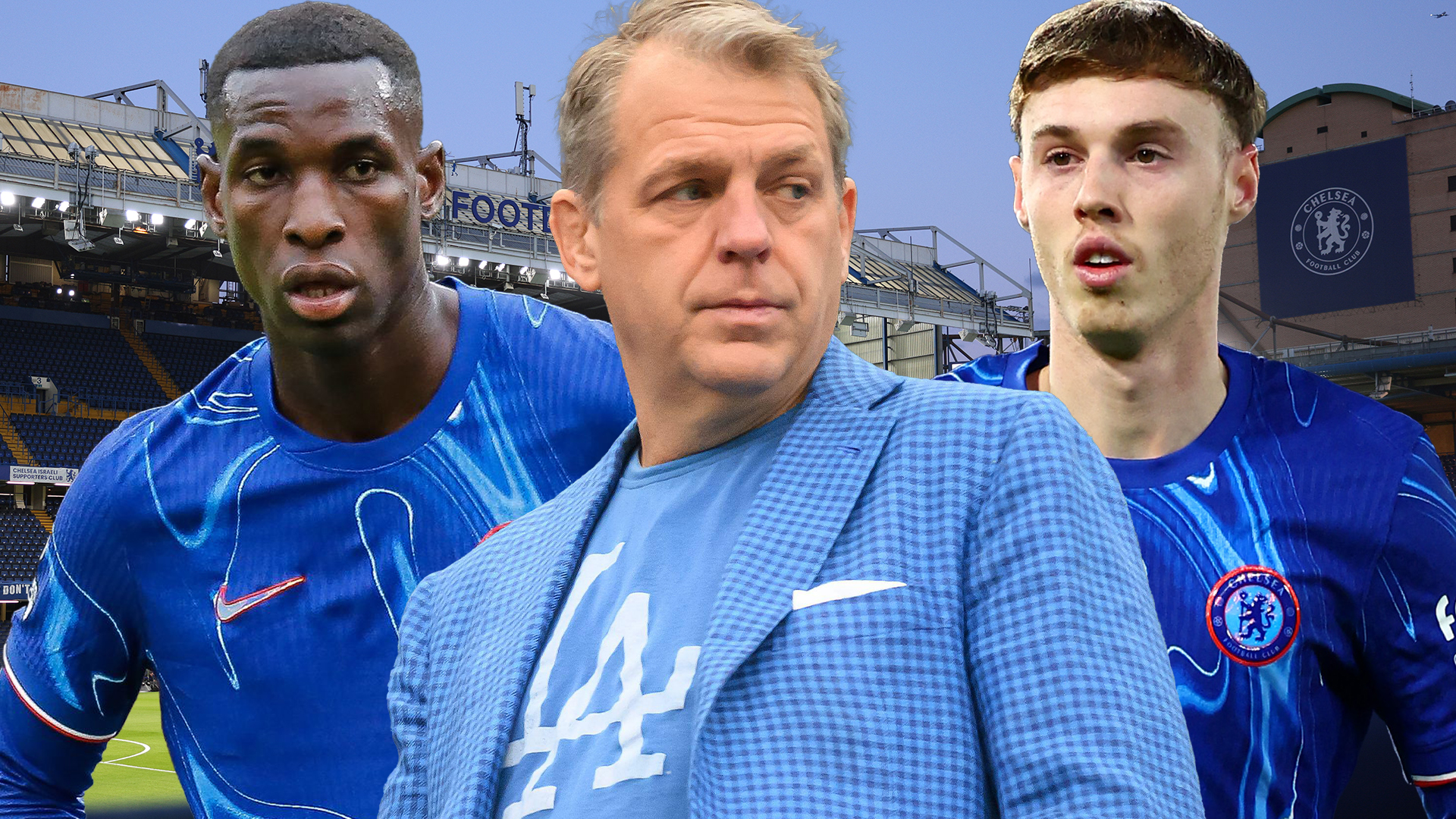
Todd Boehly Faces Fan Protests Amid Controversial Transfer Strategy
Chelsea co-owner Todd Boehly, a 51-year-old American businessman, found himself in the eye of a storm this week as fan protests greeted the club’s recent performance and transfer policies. The protests, which took place before Chelsea’s 4-0 win over Southampton, were a clear sign of the growing frustration among supporters. Boehly, who also owns the LA Dodgers, addressed these concerns during an appearance at the FT Business of Football Summit on Thursday, maintaining a calm and reflective stance. "Criticism is just par for the course," he admitted. "The sooner you learn you won’t keep all the people happy all the time, the better. That brings a certain freedom."
Billion-Dollar Spending and Long-Term Contracts
Since taking over Chelsea in 2022, Boehly has overseen a staggering £1.2 billion in transfer spending, acquiring over 40 players in under three years. This massive investment has not only raised eyebrows but has also been met with significant criticism from fans and the media. Adding to the controversy, Chelsea has been doling out contracts of up to ten years to several key players, including youngster Cole Palmer, Ecuadorian star Moises Caicedo, and English talent Romeo Lavia. Boehly defended this strategy, emphasizing the unique challenges in football recruitment. "Strikers are hard to find. You can’t get one from the grocery store," he quipped. "It’s an amazing skillset and you have to have a fantastic mentality."
Balancing Short and Long-Term Goals
The most misunderstood aspect of Chelsea’s approach, according to Boehly, is the time frame in which they are operating. "The most misunderstood thing is that we’re thinking about it measured in years, not months," he explained. "You have to think both short and long-term. We’re focused on a combination of both and seeking the best possible way to execute that. It’s a balancing act to figure that out." Boehly acknowledged the pressure to see immediate results but stressed the importance of building a sustainable team for the future. "You have to have a plan and exercise it, accept that things are not linear and that the thing that matters is that the trend is in the right direction."
Learning Curve in English Football
Despite his extensive experience in American sports, Boehly admitted that his first foray into English football has come with a significant learning curve. "We’ve been here for less than three years and that’s been a whirling dervish of activity. Nothing is a straight line, ever, and sport is so humbling," he said. Chelsea’s recent form, which saw them falter after a promising start to the season, has added to the scrutiny. The club finished 12th and 6th in the Premier League over the past two seasons, failing to lift a trophy. Boehly’s response to these setbacks is a call for patience and understanding. "If you deny that you are kidding yourself," he candidly stated. "We felt the longer contracts meant we could amortise but it was also about how we put together a team with the ability to stay together."
The Reality of Long-Term Contracts
In football, the duration of contracts is often more flexible than it appears on paper. Boehly clarified this point, explaining: "If you look at contracts in football, a seven-year contract is really a five-year contract. The reality is that 95 per cent of the time by then you have to make a decision or you’ll shoot yourself in the foot. At that point, you either agree an extension with the player or recognize that greener pastures are out there for both sides." This pragmatic view underscores the club’s strategy of balancing immediate needs with long-term stability, a delicate equilibrium that Boehly believes is crucial for success.
Building a Dynasty: The Quest for Superstar Captains
Creating a football dynasty is no easy feat, especially in a sport that spans multiple continents and involves a highly dynamic player market. Boehly highlighted the challenge of finding superstar captains who can lead the team through thick and thin. "Teams that are dynasties over the years had superstar captains that were able to lead. But how do you find those superstar captains?" he pondered. "And in football, the market is obviously across multiple countries – so you’re thinking France, Germany, Brazil, Latin America – basically everywhere around the world." This global perspective reflects Chelsea’s ambition to build a team that can compete at the highest levels, both domestically and internationally.