

The End of an Era: The Away Goal Rule in UEFA Competitions
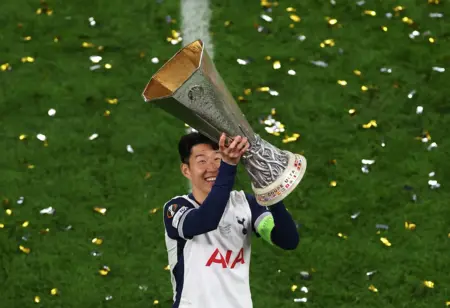
For decades, the UEFA Champions League has been the pinnacle of club football, and the away goal rule was a cornerstone of its knockout stages, providing many thrilling moments and unforgettable drama. Fans will never forget the likes of Andres Iniesta, whose stunning goal in the 93rd minute at Stamford Bridge in 2009 secured Barcelona’s passage to the semifinals, or Lucas Moura, whose hat-trick in the 2019 semifinal second leg against Ajax, culminating in a dramatic last-minute winner, ensured Tottenham Hotspur’s place in the final. These moments of high tension and exhilarating football were often made possible by the away goal rule, which added an extra layer of strategy and excitement to the competition. However, UEFA has decided to move on from this tradition, and the 2021/22 season marks the end of the away goal rule in all UEFA competitions.
Understanding the Away Goal Rule
The away goal rule, introduced by UEFA in 1965, was designed to break ties in two-legged knockout matches where the aggregate score was level. Under this rule, if the two teams had the same total score after both legs, the team that scored more goals away from home would advance. This rule was intended to encourage teams to play more aggressively on the road, knowing that an away goal could be the decisive factor. If the tie remained level after the away goals were considered and the second leg, the match would proceed to extra time, and if still level after that, a penalty shootout would decide the winner.
The New Reality: No More Away Goals
In June 2021, UEFA made a significant decision to abolish the away goal rule in all its competitions, effective from the 2021/22 season. This change was the result of extensive discussions and recommendations from the UEFA Club Competitions Committee and the UEFA Women’s Football Committee. The rule’s removal was seen as a necessary step to ensure fair competition and to align with the evolving dynamics of modern football. The absence of the away goal rule means that the emphasis on scoring at home or away is no longer a factor in determining the outcome of a tie. Instead, teams will now focus solely on the aggregate score over the two legs.
The Impact of the Rule Change
The decision to remove the away goal rule has significant implications for how teams approach their matches. UEFA President Aleksander Čeferin has stated that the rule, while once beneficial, now has the unintended effect of discouraging home teams from playing aggressively in the first leg. This is because home teams fear conceding a goal that could give their opponents a crucial advantage. As Čferin explained, "The impact of the rule now runs counter to its original purpose as, in fact, it now dissuades home teams—especially in first legs—from attacking, because they fear conceding a goal that would give their opponents a crucial advantage." This shift in strategy can lead to more defensive and cautious play, which may not be in the best interest of the fans or the spectacle of the game.
What Happens When Ties Are Level?
With the away goal rule now a thing of the past, the method for resolving tied matches has changed. In two-legged ties that finish as a draw, the tie will now go directly to extra time. If the score remains level after the additional 30 minutes, the match will be decided by a penalty shootout. This new format ensures that both teams have an equal chance to advance, regardless of where the goals were scored. The emphasis is now on overall performance and the ability to convert chances when they matter most, rather than the specific location of the goals.
A nostalgic Look: Bayern Munich vs. Celtic
The abolition of the away goal rule brings to mind memorable moments from the past, such as Bayern Munich’s dramatic late show against Celtic. In a match that epitomized the tension and excitement of the away goal rule, Bayern mounted a comeback in the closing stages of the second leg, denying Celtic’s brave effort to advance. The video of this match, available on TNT Sports and discovery+, highlights the intensity and unpredictability that the away goal rule often brought to the competition. While such moments may no longer be possible under the new rules, they remain cherished memories for fans and players alike, a testament to the rule’s role in creating magical moments in football history.
The Future of UEFA Competitions
As UEFA competitions move forward without the away goal rule, the focus will be on how teams adapt to the new format. The league phase and play-offs have already redefined the route to the final, and the removal of the away goal rule adds another layer of change. The new format aims to create a more balanced and exciting competition, where teams are encouraged to play to their strengths without the pressure of the away goal rule. Whether this change will lead to more open and attacking football remains to be seen, but it is clear that the landscape of European club football is evolving. As fans tune in to watch the final matches before the last 16, they will be witnessing a new era in the UEFA Champions League, one that seeks to maintain the competition’s prestige and excitement while ensuring fairness and equal opportunity for all teams.