
The Silent Echoes of Disappointment
AC Milan’s early exit from the Champions League has cast a long shadow over the club’s season. The shockwaves from the 1-1 draw against Feyenoord, which sealed Milan’s fate in the competition, reverberated through the San Siro stadium, leaving fans dumbfounded and unable to even muster a proper jeer. The disbelief was palpable, as this was not the performance they had hoped for after a promising winter transfer window that aimed to bolster the squad for multiple competitions. The club’s international reputation, a crucial asset for owners RedBird Capital and Gerry Cardinale, has taken a significant hit, with an estimated loss of about €20 million in revenues. This setback is particularly painful given Cardinale’s ambitious plans to expand the club’s commercial reach, especially in the American market, where the New York Yankees partnership is a testament to his vision. The loss in the Champions League is not just a sporting failure but a financial and reputational one that could have far-reaching consequences.
A Season’s Hopes Dashed
The winter transfer window brought new faces to the Milan squad, each addition designed to enhance their competitive edge. The excitement of deadline day quickly turned to dismay as the team struggled to match the expectations set by these reinforcements. The journey to this unexpected early exit began in Zagreb, continued in Rotterdam, and reached its nadir on Tuesday night at the San Siro. The club’s performance against Dinamo Zagreb and Feyenoord was a stark reminder that the road to the top of European football is fraught with challenges, and Milan’s current squad and coaching staff have not been up to the task. The silence from the ownership, particularly Gerry Cardinale, is heavy with unspoken disappointment. The majority shareholder, who had green-lighted the ambitious transfer strategy, is now observing the team’s performance closely, waiting for June to make his final judgments. This silence is a clear indication that the owners are taking a step back to reassess the club’s direction and the individuals responsible for it.
The Real Objective: Champions League Qualification
With the Champions League now out of reach, AC Milan’s primary focus shifts to securing a place in next season’s competition. The club’s economic and sporting future hinges on this goal, as qualification for the Champions League is crucial for maintaining their financial stability and international prestige. The challenge is formidable, especially as the final qualifying spot is now more likely to be the fourth position in Serie A, given the league’s coefficient struggles. This shift in focus means that every remaining match is a critical test of the team’s mettle and the coaching staff’s ability to deliver results. The pressure is on, and the stakes are high, with the board set to conduct a comprehensive review of the season in June. The outcome of this review will determine the fate of many at the club, starting with the head coach.
The Coach’s Conundrum
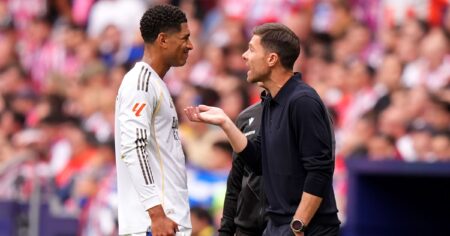
Portuguese coach Paulo Conceição has a lot riding on the remainder of the season. While his contract extends until 2026, the club has the option to terminate it without financial penalty, a clause that gives them the flexibility to make tough decisions. The Supercoppa Italiana victory provided a glimmer of hope, and a successful Coppa Italia run could add to Cardinale’s appreciation. However, the real test lies in the team’s performance in Serie A. If AC Milan fails to secure a Champions League spot, the likelihood of Conceição’s departure increases significantly. The board will be looking for a coach who can deliver consistent results and restore the club’s competitiveness on the European stage. Conceição’s tenure is on the line, and the coming months will be crucial in determining his future at the club.
The Need for a Sporting Director
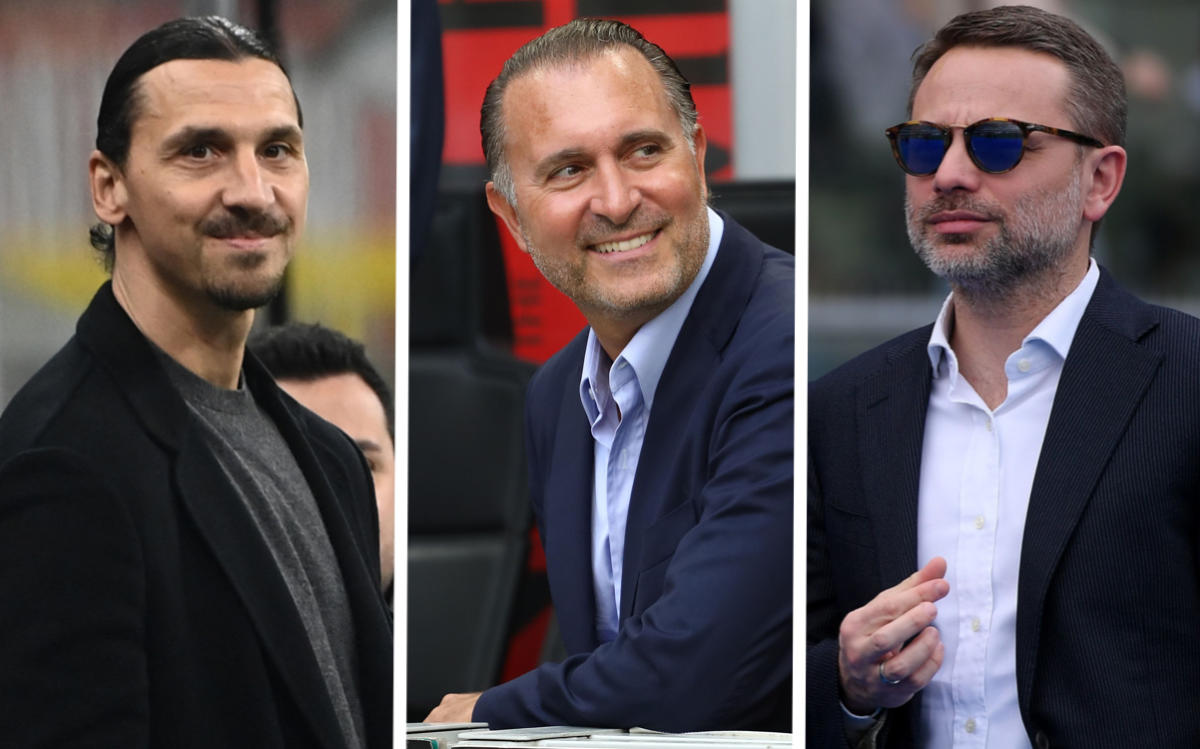
The departure of Paolo Maldini and Ricky Massara left a significant void in AC Milan’s management structure. Initially, the club attempted to fill this gap through internal reorganization, with CEO Giorgio Furlani taking on some responsibilities. However, it has become clear that a more experienced and specialized figure is needed to navigate the complexities of the transfer market and conduct high-stakes negotiations. The owners are now considering appointing a new sporting director who understands market dynamics and can bring the necessary expertise to strengthen the squad. This move is essential for the club to regain its footing and ensure that future transfer strategies align with their sporting ambitions and financial goals.
Squad Reshuffling and Future Plans
The aftermath of the Champions League elimination also necessitates a thorough reshaping of the squad. Several players are already on the margins of the project, with Samuel Chukwueze and Luka Jovic being prime examples. Others, like Noah Okafor and Ismael Bennacer, will return from loans, adding to the roster’s complexity. The club will need to decide whether to invest further in players like Joao Felix and Kyle Walker, who are currently on loan, or to let them go. For core players like Theo Hernandez, whose value is undeniable, the club will have to explore the best possible sale options to recoup their investment. All these decisions will be made with the club’s long-term strategy in mind, aiming to build a more competitive and financially sustainable team. Amidst these changes, the owners’ commitment to the new stadium project remains unwavering. Whether the new home will be at San Siro or San Donato, the construction of a modern arena is seen as a critical step towards achieving economic strength and reducing dependency on UEFA funds. This project is not just about bricks and mortar; it’s a symbol of Milan’s determination to rise from the ashes and reclaim their place among Europe’s elite.