
The Incident: Hernandez’s Simulation Costs Milan a Man
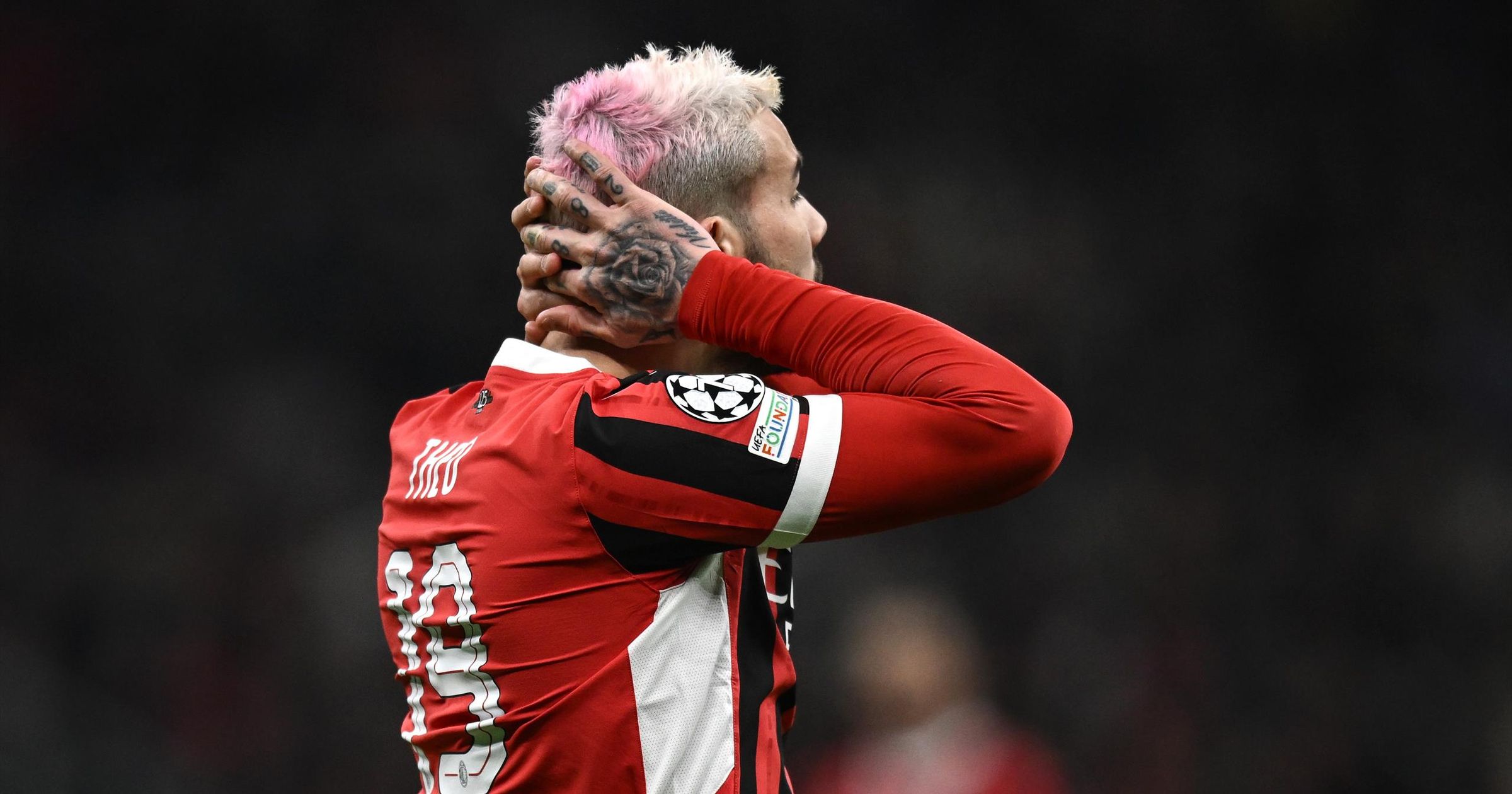
In a dramatic turn of events during AC Milan’s match, Theo Hernandez found himself at the center of controversy as he was shown a red card for simulation. The attack of the Rossoneri, already struggling to maintain their rhythm, was left reeling by this decision, with the team forced to play with 10 men for the remainder of the game. The moment occurred in the heat of the action, when Hernandez went down in the penalty area, but the referee, after consulting the VAR, deemed the fall to be a dive and immediately produced the red card. This decision not only dented Milan’s momentum but also sparked a heated debate among fans, players, and pundits about the fairness and the impact of such punishments in modern football.
The Reaction: A Call for Stricter Rules
Following the incident, Milan’s manager, Stefano Pioli, expressed his frustration and dismay. "It’s a shame that Theo had to go down like that," he said during the post-match press conference. "We need to have a serious conversation about these rules. It’s one thing to punish dives, but it’s another to reduce a team to 10 men for it. This decision can swing a game completely, and it’s something we want to see cut out from the game." Pioli’s comments reflect a broader sentiment within the football community that the current rules and their application are too harsh, potentially tipping the scales unfairly against a team that is already fighting hard. The general feeling is that while simulation is a form of cheating, the punishment should be more proportionate and not disproportionately affect the team’s performance.
The Impact: Milan’s Struggle on the Pitch
The red card for Hernandez had immediate and far-reaching consequences on the pitch. Milan, who were already under pressure, found themselves in an even more precarious position. The team’s tactical options were severely limited, and they struggled to maintain their defensive and offensive balance. With one less player, Milan’s midfield was stretched thin, and their forwards had to work twice as hard to create opportunities. The reduction to 10 men also allowed the opposition to exploit the gaps in Milan’s formation, leading to a more dominant and aggressive approach. The match, which was evenly contested until the incident, quickly shifted in the favor of the opposing team, ultimately leading to a disappointing result for the Rossoneri.
The Player: Hernandez’s Career and Reputation
Theo Hernandez, a key player for AC Milan, has been a standout defender since joining the club in 2019. Known for his speed, technical skills, and attacking prowess, Hernandez has become an integral part of Milan’s defense and has contributed significantly to the team’s recent successes. However, this incident is a rare blemish on his otherwise stellar reputation. Fans and teammates alike were surprised by his actions, as he is generally regarded as a fair and competitive player. The red card not only tarnished his image but also put a dent in Milan’s season goals, as the team’s performance in the subsequent periods of the match was notably affected. Hernandez will now face a suspension, which is likely to compound Milan’s defensive challenges in upcoming matches.
The VAR: A Double-Edged Sword
The use of VAR (Video Assistant Referee) in this incident has once again brought the technology into the spotlight. While VAR is intended to ensure fair play and reduce the impact of human error, its application in this case has been widely criticized. Some argue that the technology has made referees too quick to punish simulations, often leading to overly harsh decisions that can drastically alter the course of a game. On the other hand, supporters of VAR point out that it is crucial for maintaining the integrity of the sport, as it helps to catch what might have been missed by the human eye. The debate over the balance between technology and human judgment in refereeing decisions continues to rage, with Hernandez’s red card serving as a stark example of the issues at hand.
The Broader Conversation: Fair Play and the Future of Football
This incident with Theo Hernandez is not an isolated one. In recent years, there has been a growing call for a more nuanced approach to dealing with simulation in football. While it is important to penalize players who attempt to deceive the referee, many believe that the current system, which often involves severe penalties like red cards, is too punitive. The football community is calling for a more balanced and fair system that would allow for simulations to be addressed without causing such significant disruptions to the flow of the game. As the sport continues to evolve, the conversation around fair play and the role of technology in refereeing is likely to intensify, with the aim of creating a more just and enjoyable experience for all involved.