
The Night That Changed Everything
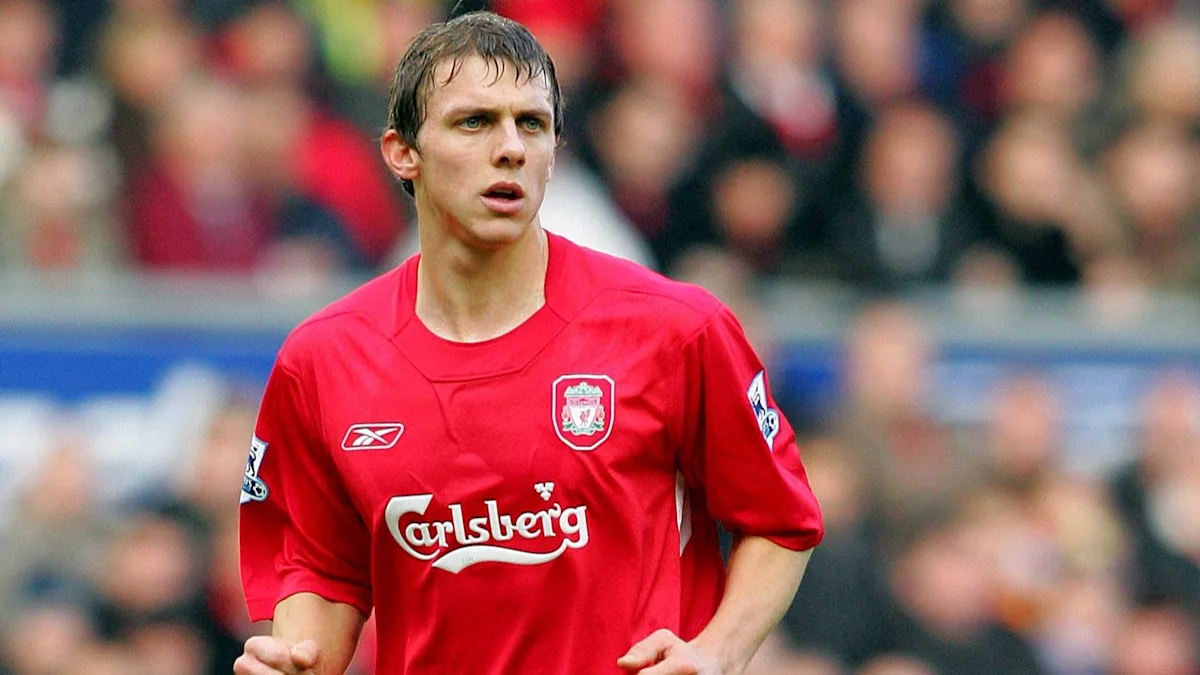
Stephen Warnock, a former Liverpool defender, recently recounted a pivotal moment in his career during a podcast on BBC Radio Scotland’s Sacked in the Morning. The year was 2005, and Liverpool was gearing up for the Champions League final against AC Milan. The team had a two-week build-up to the match, and the atmosphere was electric with anticipation. Everyone was training hard, and the squad was on a high. The plan was to leave for Istanbul three days before the final, and the squad list of 18 players would be announced then. This list would include the starting XI and seven substitutes, and being on it meant a guaranteed medal for the biggest game in world football.
A Moment of Joy
When the final whistle blew at the end of a training session, players scrambled to see the squad list. To Warnock’s delight, his name was on it. He was ecstatic, knowing that he would be part of one of the most prestigious matches in football history. “I was absolutely over the moon thinking: ‘Biggest game in world football – what a time to be part of a team’,” he recalled. For a local Liverpool lad, this was a dream come true. Overwhelmed with excitement, Warnock called everyone he knew, booked flights, and prepared to be part of history.
The Devastating Mistake
However, a couple of hours later, his joy turned to disappointment. Warnock received a call from Rafa Benitez’s assistant, Pako Ayestaran, informing him that there had been a mistake on the squad list. He was not, in fact, part of the squad. “He wasn’t even able to call me and tell me himself,” Warnock said, reflecting on the incident. “Don’t get me wrong – I know he had a lot going on but if you want to have a relationship with your players, then be man enough to pick the phone up yourself and say: ‘Look, I’ve made a mistake’.” The lack of personal communication left a lasting impact on Warnock, reinforcing the importance of direct and honest communication in professional relationships.
A Decision to Move On
Warnock’s experience in the summer break that followed was shaped by this incident. When he returned to the club, his mindset had changed. “When I went back after the summer break, I said: ‘That’s me done, I want out and I need to leave straightaway’,” he explained. The disappointment of being misled, coupled with the lack of personal communication, had eroded his trust in the club. This decision to leave reflects the deep impact that such moments can have on a player’s career and their relationship with the management.
A Final Insult
To make matters worse, the team had planned a parade to celebrate their remarkable victory in the Champions League final. However, the club made a controversial decision to separate the players. “All the players were due to be on the plane to head back for the parade the next morning but they turned around at the last minute and said: ‘We’ll put all of the squad who played with their partners on the same plane and we’ll stick all the other players on another plane’ – and we all missed the parade,” Warnock added. This decision further compounded the sense of exclusion and hurt felt by those left out of the squad, adding a bitter note to what should have been a celebratory moment.
Reflecting on the Past
In sharing his story, Warnock underscores the human side of professional football, where personal relationships and communication play a crucial role in a player’s experience. His account highlights the importance of empathy and direct communication in managing a team, especially during high-pressure situations. While the 2005 Champions League final remains a legendary moment in Liverpool’s history, for Warnock, it serves as a reminder of the personal and professional challenges that can arise in the world of elite sports. Listening to the full podcast on BBC Sounds provides a deeper insight into the complexities and emotions behind this pivotal moment in Warnock’s career.