
A Match Interrupted by Alleged Racial Insult
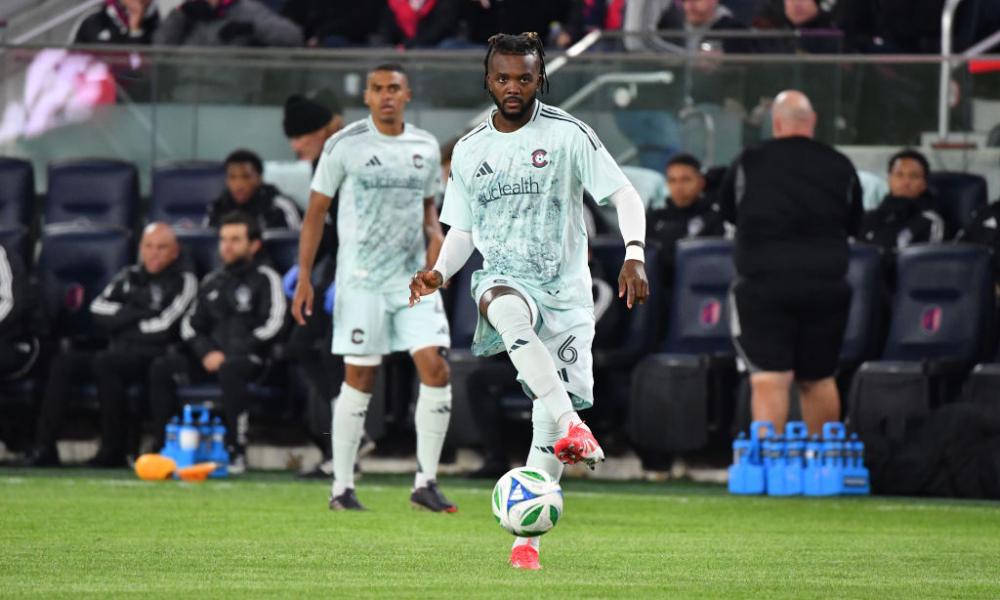
On a Tuesday night at Banc of California Stadium, the Colorado Rapids faced off against Los Angeles FC in the second leg of their Concacaf Champions League match. In a tense moment towards the end of the game, Colorado Rapids defender Chido Awaziem, a Nigeria international, alleged that an opponent used a derogatory term towards him on the field. The incident, which occurred during a set piece, caused the match to be halted for approximately five minutes as referee Pierre-Luc Lauziere engaged in discussions with Awaziem, LAFC defender Sergi Palencia, and both teams’ coaching staff. Despite Awaziem’s plea for action, the referee ultimately allowed the game to resume without any disciplinary measures being taken.
The Aftermath: Words of Support and Concern
Following the match, Rapids head coach Chris Armas confirmed Awaziem’s allegations, stating that the player was "pretty clear and upset at a derogatory term." Armas emphasized the team’s full support for Awaziem, vowing to investigate the incident thoroughly. "He was clear about what was said," Armas told reporters. "Our club, myself, we’re fully behind our player to support him with an investigation into what exactly what went down. He was pretty upset." The incident not only highlighted the personal distress of Awaziem but also the broader issues of racism and discrimination in sports.
LAFC’s Perspective
LAFC head coach Steve Cherundolo also addressed the incident, noting that "One of Colorado’s players had heard something, a word, that bothered him. He thought that it was directed towards him." Cherundolo, however, added that he did not hear the alleged incident himself. He reiterated LAFC’s commitment to player support, stating, "If players hear something and they can’t play, we want to support the players. We’ll let the referees and Concacaf figure that out." This response reflected the club’s approach to handling such sensitive matters, emphasizing the need for a thorough and fair investigation.
The Unknowns and the Need for Action
The specific nature of the alleged derogatory term remains unknown, adding to the complexity of the situation. As of now, Concacaf has not announced an investigation into the incident, despite the confederation’s policies, which mandate strict disciplinary action for any form of discriminatory behavior. FIFA’s disciplinary code, which is enforced by Concacaf’s disciplinary committee, calls for a 10-match ban for "Any person who offends the dignity or integrity of a country, a person or group of people through contemptuous, discriminatory or derogatory words or actions on account of race, skin colour, ethnicity, nationality, social origin, gender, disability, sexual orientation, language, religion, political or any other opinion, wealth, birth or any other status or any other reason." The absence of immediate action has raised concerns among fans and players about the seriousness with which such incidents are being addressed.
The Broader Impact on the Sport
This incident is not an isolated one; it underscores the ongoing struggle against racism and discrimination in sports. Chido Awaziem’s bravery in bringing the matter to light and the support he received from his team highlight the importance of creating a safe and inclusive environment for all athletes. It also serves as a reminder that while progress has been made, there is still much work to be done. The soccer community, from players to coaches to fans, must remain vigilant and united in their efforts to eradicate any form of discrimination. The impact of such incidents extends beyond the field, affecting the mental and emotional well-being of players and their ability to perform at their best.
Moving Forward: The Path to Justice
As the soccer world waits for Concacaf to take action, the focus remains on ensuring that justice is served and that similar incidents are prevented in the future. The Rapids and LAFC, along with their respective fans, are watching closely to see how this case will be handled. Chido Awaziem’s courage in speaking out has sparked important conversations and brought attention to a critical issue. The sport’s governing bodies must step up and take decisive action to send a clear message that racism and discrimination have no place in soccer. The path to a more inclusive and respectful game begins with acknowledging and addressing these challenges head-on.