
The Case Against Scrapping Extra Time: Sacchi’s Perspective
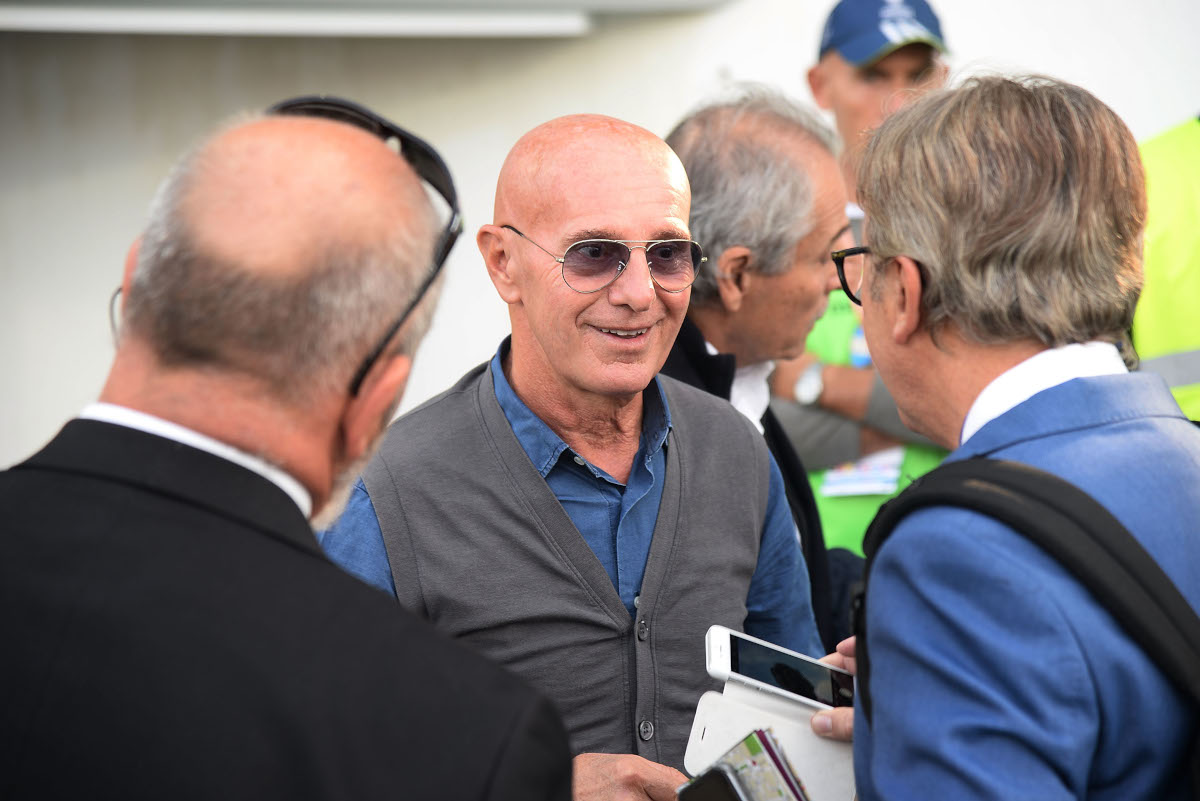
Former Italian coach Arrigo Sacchi is unequivocally opposed to the potential scrapping of extra time in Champions League knockout rounds. Reports suggest that UEFA is considering this move to reduce the congestion in the already packed football schedule. Sacchi, known for his innovative tactics and successes with AC Milan and the Italian national team, firmly believes that this change would undermine the beauty and integrity of the sport. In an interview with Gazzetta, he emphasized the importance of maintaining the current format to preserve the excitement and fairness of the game.
Protecting Players’ Health and the Spectacle
Sacchi’s primary argument against the proposed change is the need to protect players’ health and enhance the quality of the spectacle. He argues that instead of eliminating extra time, UEFA should reduce the number of matches in the schedule. "If they really want to protect the players’ health and make the spectacle even more beautiful, they just need to reduce the number of matches,” Sacchi stated. The current scheduling, which seems to grow busier each year, has significant downsides. Teams are unable to train as they should, and players are at higher risk of serious injuries. By cutting down on the number of matches, players can train more and stay in better shape, which would ultimately lead to higher-quality matches for the fans to enjoy.
The Role of Adrenaline in Football
Sacchi places a high value on the adrenaline-fueled moments that extra time provides. “They would be eliminating thirty minutes of pure adrenaline,” he said. These additional minutes often produce some of the most memorable moments in football, where the tension and excitement reach their peak. For Sacchi, these moments are essential for creating the intense emotions that make football so compelling. Scrapping extra time would reduce the drama and spectacle, potentially leaving fans feeling less engaged and satisfied.
The Impact on Weaker Teams
Another significant concern for Sacchi is the impact this change would have on weaker teams. He believes that eliminating extra time would encourage these teams to adopt defensive strategies, knowing that they have a higher chance of advancing through penalty kicks. “Weaker teams would resort to obstructionism, defending for 90 minutes, knowing they could win through penalties,” he explained. This shift in tactics could lead to more predictable and less exciting matches, which would be detrimental to the sport. The current format, with its extra time, helps to level the playing field and ensures that both teams have a fair chance to win based on their performance throughout the full 120 minutes.
The Frustration of Penalties
Sacchi’s opposition to scrapping extra time is also fueled by his personal experience. He acknowledges that his stance is not solely based on his loss in the 1994 World Cup final against Brazil, where his team suffered a heartbreaking defeat in a penalty shootout. However, he emphasizes the unfairness and unpredictability of deciding a match through penalties, especially after 120 minutes of intense play. “Taking a penalty after 120 minutes of exhaustion is tough, even for the best player in the world, and the result isn’t always fair,” he said. For Sacchi, the fairest solution in a closely contested match would be to replay the game, ensuring that the outcome is determined by the teams’ performances over a full 120 minutes.
A Plea for Football’s Future
In conclusion, Arrigo Sacchi’s stance against scrapping extra time in the Champions League is rooted in his deep understanding and love for the game. He believes that the current format, with its added 30 minutes of play, is essential for maintaining the sport’s integrity and excitement. By protecting players’ health, preserving the adrenaline and drama of extra time, and ensuring fair competition, Sacchi argues that football can continue to captivate fans and maintain its status as the world’s most popular sport. UEFA should consider these points carefully before making any significant changes to the format of the Champions League.