
A Night to Forget for Chelsea’s New No. 1
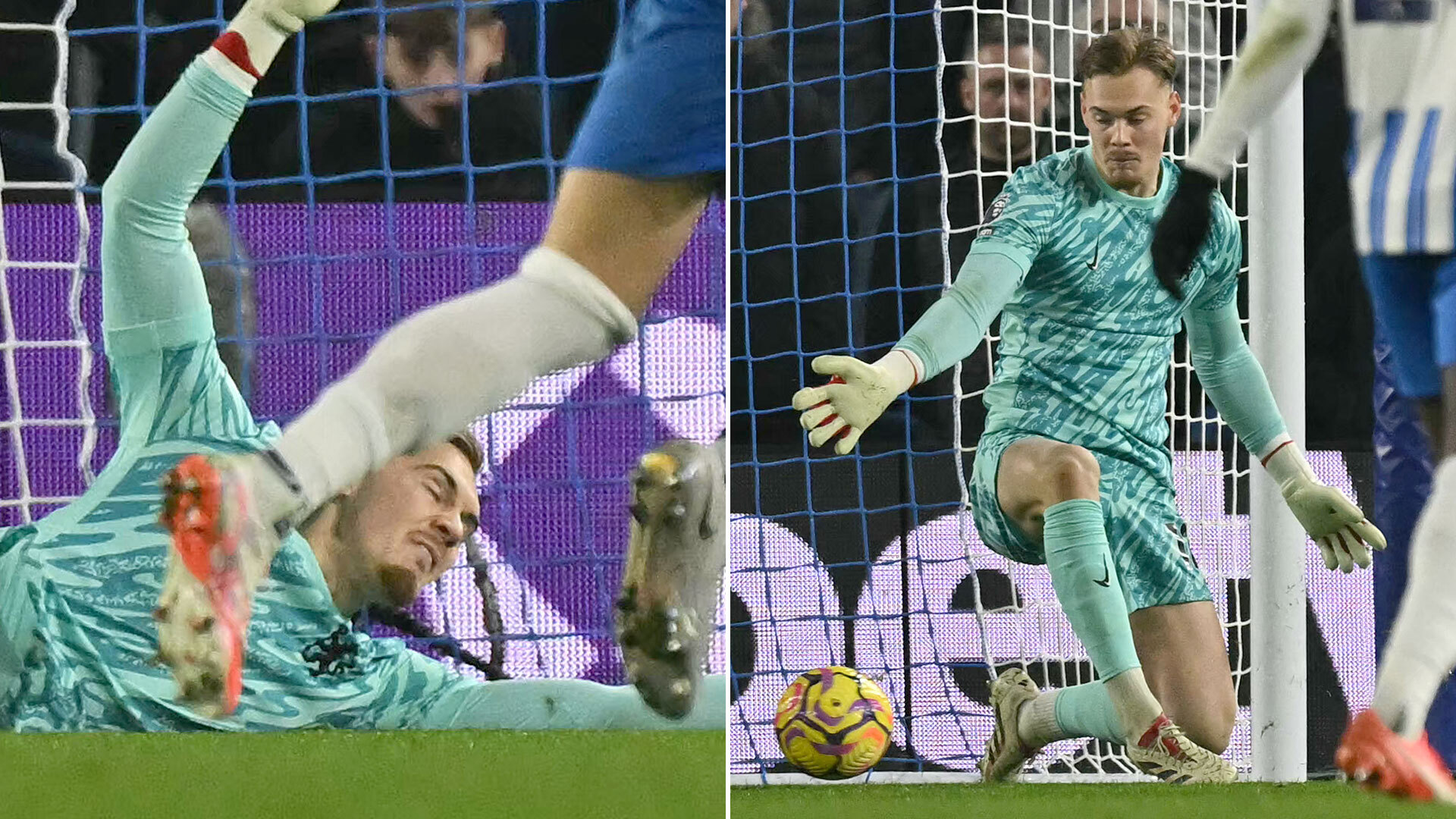
On a Friday night under the South Coast lights, Chelsea’s young goalkeeper Filip Jorgensen faced a daunting debut as the team’s new No. 1. The 22-year-old Swede, who recently took over from the beleaguered Robert Sanchez, had a forgettable first half against Brighton. Jorgensen, known for his potential and recent performances, was clearly off his game, conceding two soft goals that left fans and pundits questioning the logic behind his selection. The opening goal, a curling long-range effort from Kaoru Mitoma, seemed to catch the young goalkeeper by surprise. Despite Mitoma being well out of the box, Jorgensen appeared ill-prepared and was easily beaten. The second goal, a powerful shot from Yankuba Minteh, further highlighted issues with his positioning and defensive organization. The match was a stark reminder of the pressure and challenges that come with stepping into the limelight.
The Decision to Replace Sanchez
Before the match, Chelsea’s head coach Enzo Maresca had confirmed that Jorgensen would be between the sticks, emphasizing that the goalkeeping decision was not to be made on a game-by-game basis. Sanchez, 27, had been a subject of criticism throughout the season, with multiple errors and clangers raising doubts about his reliability. A recent analysis by SunSport revealed that only one Premier League keeper had committed more errors than Sanchez this season, making the decision to bench him somewhat understandable. However, the immediate backlash from fans after Jorgensen’s poor performance suggests that the transition might not have been as smooth as the club had hoped. Maresca’s stance on consistency and long-term development is clear, but the short-term impact on the team’s results cannot be ignored.
Fan Reactions and Criticism
The disappointment and frustration of Chelsea fans were palpable following Jorgensen’s lackluster performance. One fan vented on X, a popular social media platform, comparing the decision to replace Sanchez with Jorgensen to substituting a basket with a sieve. Another supporter pointed out, "As much as I hate to admit, Sanchez would have saved that [Minteh goal]. Jorgensen is better with his feet, but can’t stop a shot for his life." This sentiment was echoed by many others who felt that while Jorgensen might have strengths in other areas, his shot-stopping ability was severely lacking. A third fan summarized the dilemma succinctly: "Jorgensen is comfortable with the ball and doesn’t make foolish mistakes, but can’t stop a shot for his life. Sanchez is very good with shot-stopping but makes the most foolish decisions with the ball. Two problems, one club." These comments underscore the complex balance between skill sets and consistency that Maresca and the Chelsea management must navigate.
Jorgensen’s Journey to Stamford Bridge
Filip Jorgensen’s journey to becoming Chelsea’s new No. 1 is a story of promise and potential. The Swedish goalkeeper joined the Blues in July last year from LaLiga club Villarreal for a substantial fee of £20.7 million. The club entrusted him with a seven-year contract, signaling their belief in his future. Prior to the Brighton match, Jorgensen had played 14 times for Chelsea this season, conceding 13 goals. These numbers, while not ideal, do not paint the full picture of his abilities or the challenges he has faced. The young goalkeeper’s reputation is built on his technical skills and composure with the ball at his feet, but his performance on Friday night highlighted areas that still need significant improvement, particularly in shot-stopping and positioning.
The Pressure of High Expectations
The pressure on young goalkeepers like Jorgensen is immense, especially in a club with the stature and expectations of Chelsea. Transitioning from a less prominent role to the first-choice keeper can be daunting, and the scrutiny from fans and media only adds to the burden. Jorgensen, who has shown flashes of brilliance in his limited appearances, will need to overcome this initial setback to prove his worth. The fans’ reactions, while harsh, are a reflection of their deep commitment to the club’s success. Maresca’s decision to stick with Jorgensen for the long term is based on the belief that the young talent can grow and improve under the right conditions. However, this faith will be tested in the coming matches, and Jorgensen will need to demonstrate resilience and skill to regain the support and trust of the Chelsea faithful.
Looking Ahead: Sanchez as Backup and Future Prospects
With the immediate focus now on the upcoming matches, Robert Sanchez will likely serve as Jorgensen’s backup at Stamford Bridge. The 27-year-old Spaniard, despite his errors, has shown moments of brilliance and remains a key player for Chelsea. The dual challenge for Maresca is to manage the goalkeeping situation without disrupting the team’s chemistry and to foster the development of Jorgensen while keeping Sanchez motivated. The upcoming games will be critical in determining whether Jorgensen can bounce back and solidify his position as Chelsea’s No. 1. Meanwhile, the club’s ambitious stadium plans, which include a £1.6 billion redevelopment of Stamford Bridge, serve as a backdrop to this pressing issue. The goal is to build a team that can compete at the highest level, and the goalkeeping role is no exception. As Chelsea continues to evolve, the performances of both Jorgensen and Sanchez will be closely watched, with the hope that the club can find a solution that meets both short-term and long-term objectives.