
Estevao’s Close Call and Chelsea’s Defeat at Leeds
In a highly charged encounter at Elland Road, Chelsea suffered a disappointing 3-1 loss to Leeds United, a result that starkly contrasted their recent draw against Arsenal with a man down. The Blues, already reeling from the absence of Moises Caicedo due to suspension, found themselves struggling to maintain their composure and tactical discipline. Enzo Maresca, the interim head coach, was forced to make several changes to the lineup, including a mix of youth and experience, but the results were far from convincing.
Estevao’s Controversial Moment
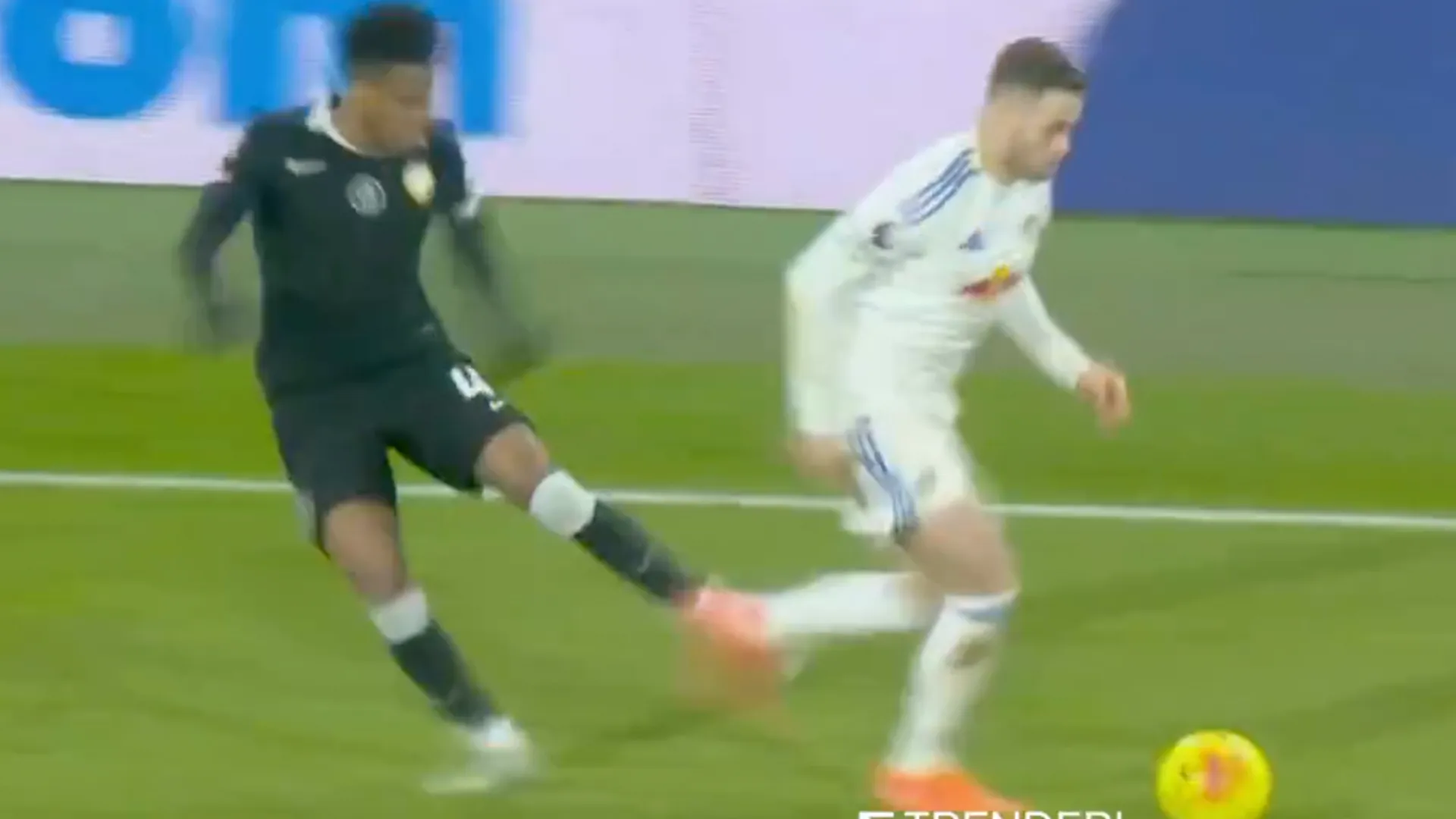
One of the standout moments of the match was a contentious incident involving Brazilian youngster Estevao. The 18-year-old, who had been praised for his performance against Arsenal and his impressive goal in the Champions League against Barcelona, found himself on the wrong side of the referee’s decision. In a moment of frustration, Estevao lunged at Leeds left-back Gabriel Gudmundsson with a petulant kick, causing the Swede to collapse in agony. The incident sparked a heated response from Leeds’ players, but Estevao escaped with only a yellow card, a decision that did not sit well with many fans and observers.
Fans’ Reactions and Criticism
Social media quickly lit up with fans expressing their dissatisfaction with the leniency shown to Estevao. Many felt that the incident warranted a red card, citing the deliberate nature of the kick and the potential for injury. One fan commented, “Severe head loss from Estevao there. Very inexperienced.” Another added, “No attempt to play the ball, deliberately kicks in anger, could have been sent off for violent conduct.” The consensus was clear: Estevao had shown a moment of immaturity that could have had serious consequences for both his career and Chelsea’s performance.
Enzo Maresca’s Decision to Substitue
Despite the yellow card, Maresca decided to take Estevao off at halftime, a move that was met with mixed reactions. In his post-match interview, Maresca explained his decision, saying, “The feeling with Estevao was a little bit like welcome to the Premier League. Welcome to Leeds. The impact to him has probably been big, a big impact. The reason we changed, he was on a yellow card. Sometimes at 18, you struggle with emotion. It was better to change him, to avoid any red cards.” Maresca’s comments underscored the challenge of balancing the development of young talent with the high stakes of top-flight football.
The Impact on Chelsea’s Performance
The loss to Leeds was a significant setback for Chelsea, particularly given the recent draw against Arsenal with 10 men. The absence of Moises Caicedo in midfield was acutely felt, as the team struggled to maintain their usual level of control and creativity. The changes Maresca made to the lineup, especially in defense and attack, appeared to disrupt the team’s rhythm, leaving them vulnerable to Leeds’ aggressive style of play. The match highlighted the need for Chelsea to find a more consistent and resilient approach, particularly against teams with a high tempo and physical presence.
Looking Forward
As Chelsea looks to regroup and prepare for their next fixtures, the incident with Estevao serves as a valuable learning experience for the young player and the team as a whole. Maresca’s decision to substitute the Brazilian at halftime was a tactical and emotional call, aimed at protecting both the player and the team’s interests. The challenge now is for Chelsea to rebuild their confidence and cohesion, addressing the defensive and emotional issues that plagued their performance at Leeds. With a mix of experienced leaders and young talent, the Blues will need to find a balance that allows them to compete at the highest level while nurturing the next generation of stars.