

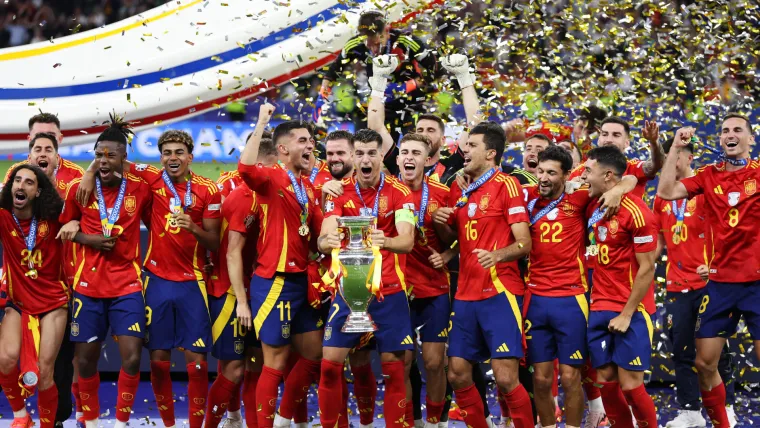
The 2026 World Cup: A New Era of Expansion
The 2026 World Cup, hosted jointly by the United States, Canada, and Mexico, marks a significant milestone in international football. For the first time, 48 teams will compete in the finals, up from the 32 that have been the norm since 1998. This expansion has opened the door for more nations to experience the thrill of the world’s most prestigious football tournament, making it a historic event for both traditional powerhouses and underdogs alike. The increased number of participants has generally made the path to the finals more manageable for the sport’s established giants, but it also provides a platform for lesser-known teams to showcase their talents and capture the hearts of football fans worldwide.
The Path to the Finals
The expanded format of the 2026 World Cup has transformed the qualification process. Traditional heavyweights like Spain, Argentina, France, England, and Brazil have secured their spots with relative ease, thanks to their strong performances and rankings. However, the expanded field has also given a chance to nations that might have otherwise been left out. Italy, currently ranked 12th, was the only country in FIFA’s top 20 that needed to go through the final round of playoffs in March 2026 to ensure their place. Meanwhile, three nations from outside the world’s top 80 will join the fray, bringing a fresh wave of excitement and romance to the tournament. These teams, yet to be determined, will have the opportunity to make their mark and inspire football fans around the globe.
FIFA Rankings and the World Cup Draw
FIFA’s allocation of pots for the World Cup draw was based on the most recent rankings from November 2025. The nine highest-ranked nations, along with the co-hosts United States, Canada, and Mexico, were automatically placed in pot one, ensuring a balanced and competitive draw. The top-ranked nations, including Spain, Argentina, France, England, and Brazil, are expected to be strong contenders for the title. The rankings also highlight the diversity of football talent across the globe, with teams from UEFA, CONMEBOL, CAF, AFC, and CONCACAF all represented. This mix of football cultures and styles promises to make the tournament a spectacle for fans everywhere.
The Final Playoffs: A Crucial Stage
As of December 5, 2025, 42 of the 48 finalist spots were already filled, leaving six positions to be determined through UEFA and inter-confederation playoffs. These playoffs are a final opportunity for nations to secure their place in the World Cup, adding an extra layer of drama and excitement. Teams like Italy, Denmark, Turkey, and Ukraine, among others, are vying for the remaining spots. The UEFA playoffs will see four teams emerge from a pool of 16, while the inter-confederation playoffs will whittle down six teams to two. This intense competition ensures that only the most deserving nations will join the elite 48 in the finals.
The History of FIFA Rankings and World Cup Performance
Interestingly, the team ranked number one going into the World Cup has never won the tournament. Since FIFA rankings were introduced in 1994, the top-ranked team has consistently fallen short of lifting the trophy. For example, Germany topped the rankings before the 1994 World Cup, but Brazil ultimately claimed victory. Similarly, France was the top-ranked team in 1998 but was defeated by the host nation in the final. This trend has continued over the years, with top-ranked teams like Brazil, Spain, and Germany failing to secure the title despite their strong positions. The 2022 World Cup was no different, with Brazil being eliminated in the quarterfinals as Argentina clinched the championship. This pattern suggests that while rankings are a useful indicator of form, they do not guarantee success in the tournament.
How FIFA Rankings are Calculated
FIFA rankings have been a part of the international football landscape since 1992, providing a method for assessing team performance. The current system, introduced in August 2018, is based on a points-scoring approach that adds or subtracts points from a team’s total based on match results. The number of points gained or lost is influenced by the strength of the opponent and the expected outcome of the match. For instance, defeating a top-10 ranked team earns more points than beating a side outside the top 20. Additionally, the importance of the match is also a factor, with World Cup matches carrying more weight than friendlies. FIFA rankings are updated after each recognized international window, ensuring that the latest performances are reflected in the standings. This dynamic system helps to keep the rankings relevant and accurate, providing a fair representation of each team’s current form.